
Soil Art Tales
Soil Art Tales
Living Ecosystems for Shared Futures
Developed within the framework of the Horizon Europe–funded project SoilTribes – Glocal Ecosystems Restoring Soil Values, Roles and Connectivity, the travelling exhibition SOIL ART TALES. Living Ecosystems for Shared Futures is organised by the Global Network of Water Museums and curated by Stefano Cagol.
Through empathy, creativity and scientific reflection, Soil Art Tales invites visitors to rediscover the deep connections between soil, water and life. The exhibition brings together the work of four artists from different generations – Binta Diaw (IT/SN), Nikki Lindt (NL/US), Jo Pearl (UK), and Miguel Teodoro (PT) – who were selected to develop artworks focusing on soil as a living system and a key ally in building more sustainable futures. Using diverse artistic languages – including installations, videos, photography and research-based practices – the artists explore soil as a living archive of memory, knowledge and ecological processes, highlighting its vital role in shaping environmental resilience and cultural heritage. Their works invite audiences to reflect on soil as a fragile and essential resource, deeply intertwined with water systems, climate change, food production and the histories of communities and landscapes. The exhibition is hosted by seven venues across Europe from February 2026 to August 2027.
Artworks
Binta Diaw: Paysage Corporel XIV, naître au monde c’est Concevoir (vivre) enfin le monde comme relation, 2025
Mixed media installation, soil, artificial hair, photograph, environmental dimension
Binta Diaw’s work creates a visual fusion between the human body and soil, prompting multiple reflections on our connection to it.
The body intertwines creation, space, and the imaginary, through which we can identify and place ourselves. From the soil, which evokes ideas of motherland and subsistence, emerge sculptures made with synthetic hair that celebrate braiding as an Afrodescendent form of cultural communication and resistance.
The braids assume the shape of mangroves, referencing a metaphor used by Martinican poet and philosopher Édouard Glissant to represent global-local entanglements and the notion of diaspora, and dispersion after leaving the motherland. Furthermore, it recalls the crucial relevance of natural elements, even in our hyper-technological society. Braids penetrate the soil as roots, connecting the past to the present, deconstructing stereotypes, such as those behind the female black body, and creating new imaginaries.
Nikki Lindt: Subterranean Voice; Sonic Rhythms Drawing Machine, 2026
Interactive multimedia installation, drawing machine, planter with live listening station, paintings and sound systems
Nikki Lindt’s participatory artwork encourages direct engagement with the natural world, inviting visitors to notice the systems beneath us that often go unseen. By amplifying sounds recorded underground in soil, her work reveals changes occurring within ecosystems as our planet transforms. It shows how a deep, attentive connection with this hidden layer of the earth can shape the way we perceive and think about the environment. At the center of the installation, the Sonic Rhythms Drawing Machine is a drawing apparatus and bench whose design is inspired by sound. Visitors are invited to slow down, sit, and listen to actual subterranean sounds through headphones. Inspired by what they hear, they contribute to a continuous communal drawing, an exquisite corpse, that traces an invisible thread from one participant to the next, emphasizing shared attention, and collective consciousness. The installation is complemented by two paintings created during field recordings in extreme Arctic environments. The artist translated her immersive experiences listening to the underground, and now shares the sound with visitors.
Jo Pearl: Dirty Secret, 2026
Clay stop-frame animation, MP4, 6 mins 55 sec., sculptures, entomology cases
Jo Pearl uses her medium of clay to communicate about the importance of healthy soil and the beings that live there. In 'Dirty Secret' she brings the clay to life using stop-frame animation to highlight how.
This short film’s deeper revelation is that all is not lost. Regenerative farming can restore degraded soil back to health. Soil teaming with life can grow nutrient-rich food, absorb water to prevent flooding, and capture carbon to minimize climate change.
Showcasing the invisible microbes, mycelium and protozoa living in the earth, this work provokes us to re-evaluate how we consider ‘dirt’: not something to be taken for granted but key to our future life on the planet. We are left to ponder how can we support farmers prioritizing soil and human health over high yields.
At the end of the animation process, Jo Pearl kiln-fires her microscopic characters, transforming them into small ceramic sculptures. They are displayed in entomology cases, like scientific specimens caught in suspended animation.
Miguel Teodoro: Peripheral Deserts, 2026
Multimedia installation, 2-channel video, colour, 4K, stereo sound, LED panel
Miguel Teodoro’s film is a research-led project that examines the entanglements between anthropogenic practices, environmental policies, and material agency. Presented as an expanded two-channel film installation, the work emerges from fieldwork and archival research. Within this multilayered work, soil and film function as investigative media through which environmental, geopolitical, and technoscientific histories are traced across the southern European peripheral territories of Cyprus and Portugal – regions confronting parallel socio-environmental challenges. Focusing on contested landscapes often framed as climate change “frontlines,” the project explores how these territories are shaped by shifting environmental narratives and land uses. The project unpacks how “desertification” became naturalised as a colonial and post-war environmental narrative. Through encounters with farmers, scientists, and local practitioners, the work approaches soil not only as a witness to long-term environmental violence but also explores the hidden functions of these soils as living seed banks and their great regenerative potential.
Artists
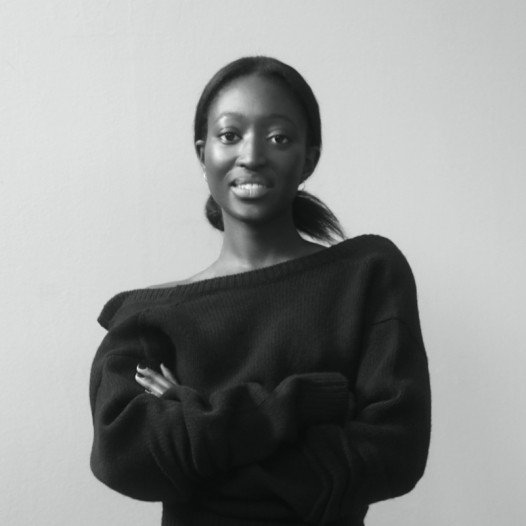
Binta Diaw (Milano, 1995) is a Senegalese-Italian artist. Her work has been exhibited numerous times around the world, notably at major events such as the Gwandju Biennale (2024), Manifesta (2024), the Liverpool Biennale (2023), the Berlin Biennale (2022), Les Rencontres de Bamako, African Photography Biennale (2022) and the Dakar Biennale (2022). Binta Diaw is a graduate of the Accademia di Belle Arti di Brera in Milan, as well as the École d’Art et de Design de Grenoble.
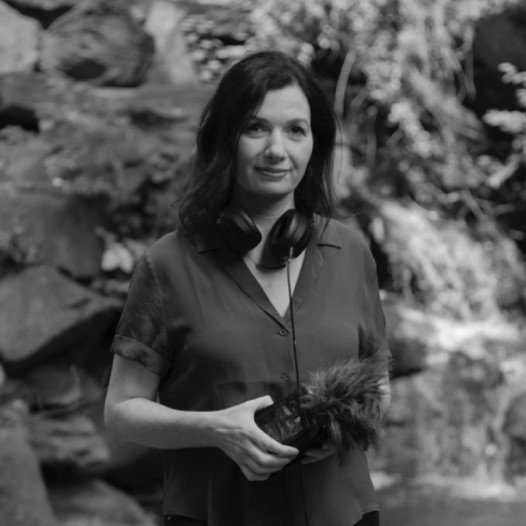
Nikki Lindt (The Netherlands, 1971) is a Dutch-born, New York-based artist. Her work has been presented at the Art Institute of Chicago, Hudson River Museum, the White Mountains Museum, and the Museum of the North in Alaska, among others, and includes The Underground Sound Project, a permanent installation in Brooklyn’s Prospect Park. She collaborates with ecologists, soil scientists, Indigenous knowledge holders and social researchers to create interactive, site-responsive artworks that foster listening, connection, and environmental awareness. She studied the Gerrit Rietveld Academie and at Yale University.
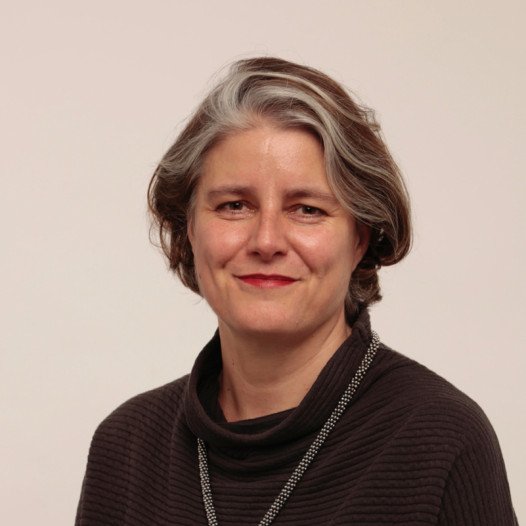
Jo Pearl (Great Britain, 1968) is a British artist based in London. Her work often has a campaigning edge, seeking to shine a light on problems facing society. Her multi-discipinary practice embraces stop-frame clay animation and ceramic sculpture, public engagement and clay activism. Her work was exhibited prominently at SOIL: The World at our Feet (Somerset House, London, 2025) and has been shown in Florence, Berlin, Philadelphia and New York. Her animated films have appeared in numerous international film festivals. She trained in ceramics at Central Saint Martins in London.
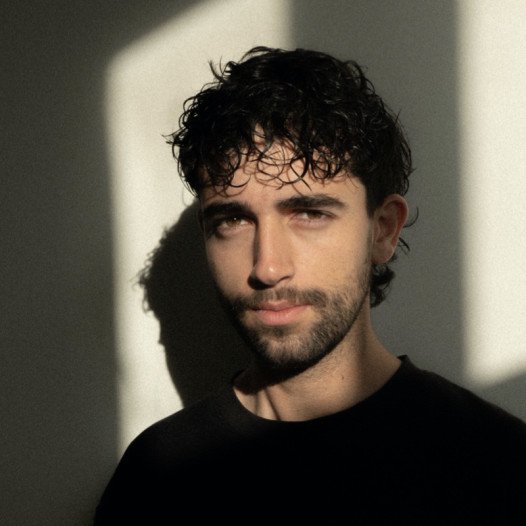
Miguel Teodoro (Portugal, 1997) is a visual artist and researcher based between Portugal and the Netherlands. His research-based practice examines the interdependencies of materiality, geopolitics, ecology and visual culture. Since 2021, he has been coordinating Hiperlocal – platform for situated practices between art and ecology in the Viana do Castelo Urban Ecological Park. He is member of the collectives FIELD and Pousio, and holds an MA in Geo-Design from the Design Academy Eindhoven and a BA degree in Fine Arts from the University of Porto.
Hosting Institutions
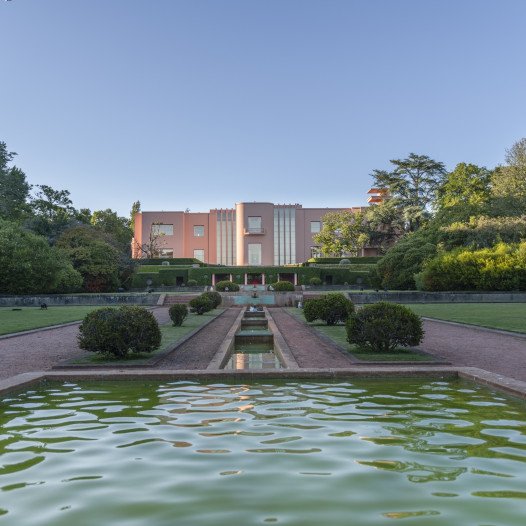
Serralves Foundation, Porto, Portugal
Start date: 11/02/2026
End date: 26/04/2026
Go to exhibition page
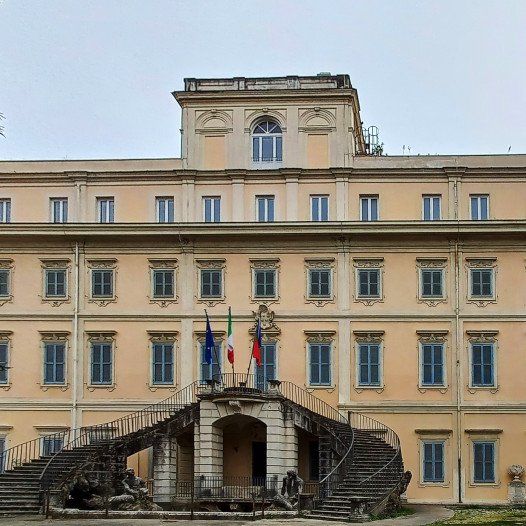
Villa Altieri, Metropolitan City of Rome, Italy
Start date: 14/05/2026
End date: 05/06/2026

Funded by the European Union. Views and opinions expressed are however those of the author(s) only and do not necessarily reflect those of the European Union or the European Research Executive Agency (REA). Neither the European Union nor the European Research Executive Agency (REA) can be held responsible for them.