
Brazil

Brazil
Technologies and lifestyles respecting freshwater ecosystems
Since time immemorial, the Javaé indigenous people has maintained a profound bond with the Araguaia River which runs through the Cerrado biome. Over centuries, they have developed ingenious hydro-technologies for activities such as fishing, building wooden boats, and constructing canals and small dams for water conservation.
All technologies are rooted in the fair use of natural resources. At the core of Javaé’s water management paradigm lies a system of beliefs aimed at preserving natural habitats and sustaining biodiversity. By safeguarding aquatic ecosystems, they foster a worldview which recognizes the inter-connectedness of all living beings.
Today, however, Javaé’s lifestyles and technologies face a myriad of threats including impacts of large dams and unsustainable agricultural and mineral overexploitation, compounded by the effects of climate change.
Copyright: : Video Javaé -
The Water People, by M.A. Jacob, Raka Comunicações. Video Hawo, Canoes, by R. Ladeira.
All rights reserved: Liliana Pena Naval, Universidade do Tocantins and Brazilian Water Museum.
Drawings: Gabriele Melegari
Gallery


From left to right (above):
1 –Indigenous Karajá fishermen navigate the waters of the Araguaia River, a vital artery of the Cerrado biome. Renowned for its breathtaking biodiversity, this aquatic ecosystem has been sustainably preserved for centuries by the ancestral stewardship of the Javaé Indigenous people, who maintain a profound, reciprocal relationship with the river and its life.
© Heber Gracio.
2 – Elder Akwe, a revered knowledge-keeper of the Javaé people. The deep ecological understanding and cultural traditions of the Cerrado are held and transmitted by elders, like Akwe, whose guidance is fundamental to the community's resilience and the continued preservation of their way of life.
© Marco Jacob.
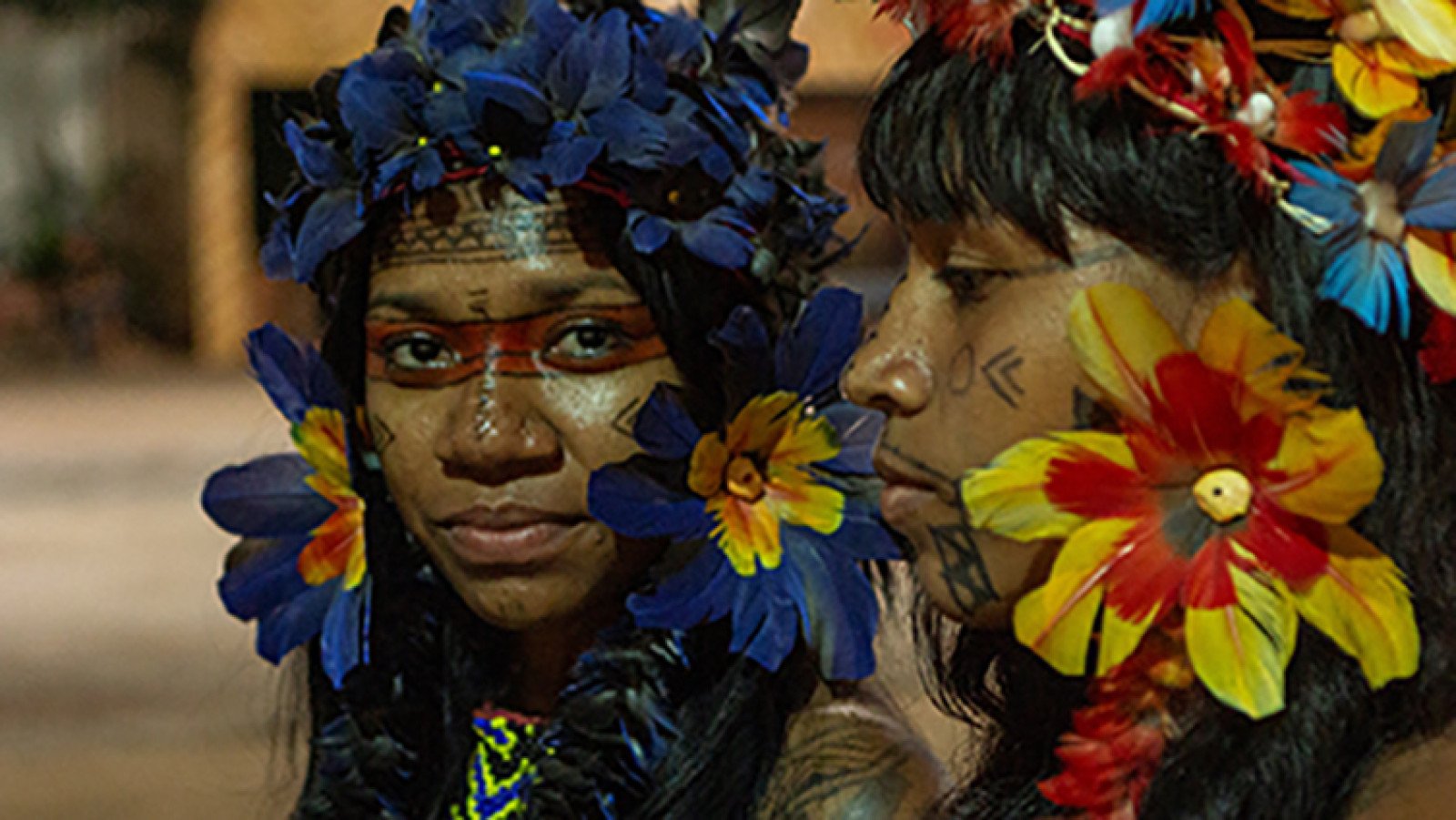
3 - Karajá girls. Over centuries, the Indigenous Javaé and Karajá have developed ingenious hydro-technologies and sustainable practices, all inseparable from a deep spiritual and cultural connection with rivers and nature. This bond, cultivated through generations, defines their identity and stewardship of the land and of local biodiversity.
© Marco Jacob
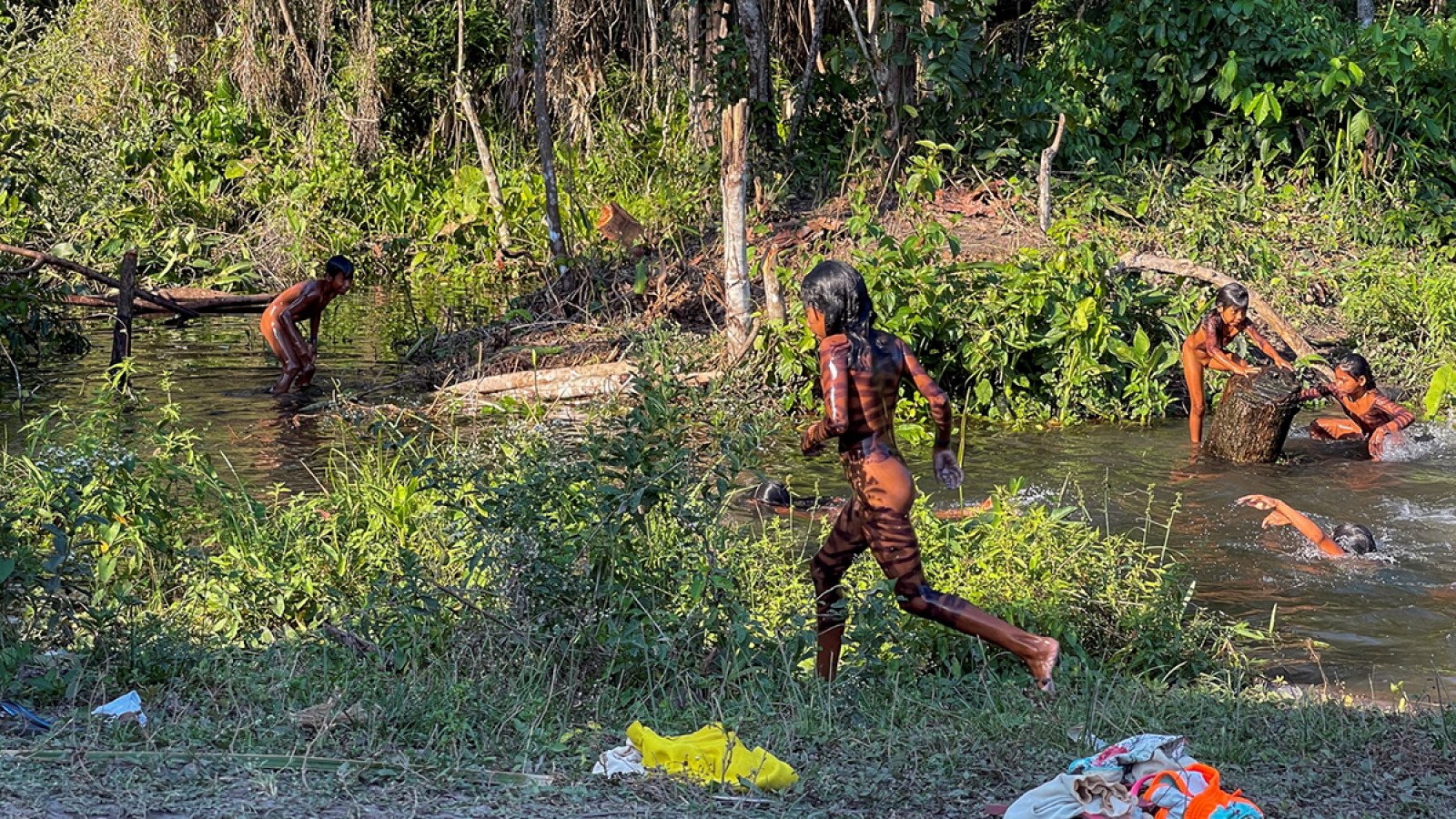
4 – Children playing by the river: a moment of daily life and communion with the aquatic world. Bathing in the river is more than hygiene; it is a ritual of renewal, play, and connection, reinforcing the inseparable link between community well-being and the health of the freshwater ecosystems.
© Marco Jacob.
From left to right (below):
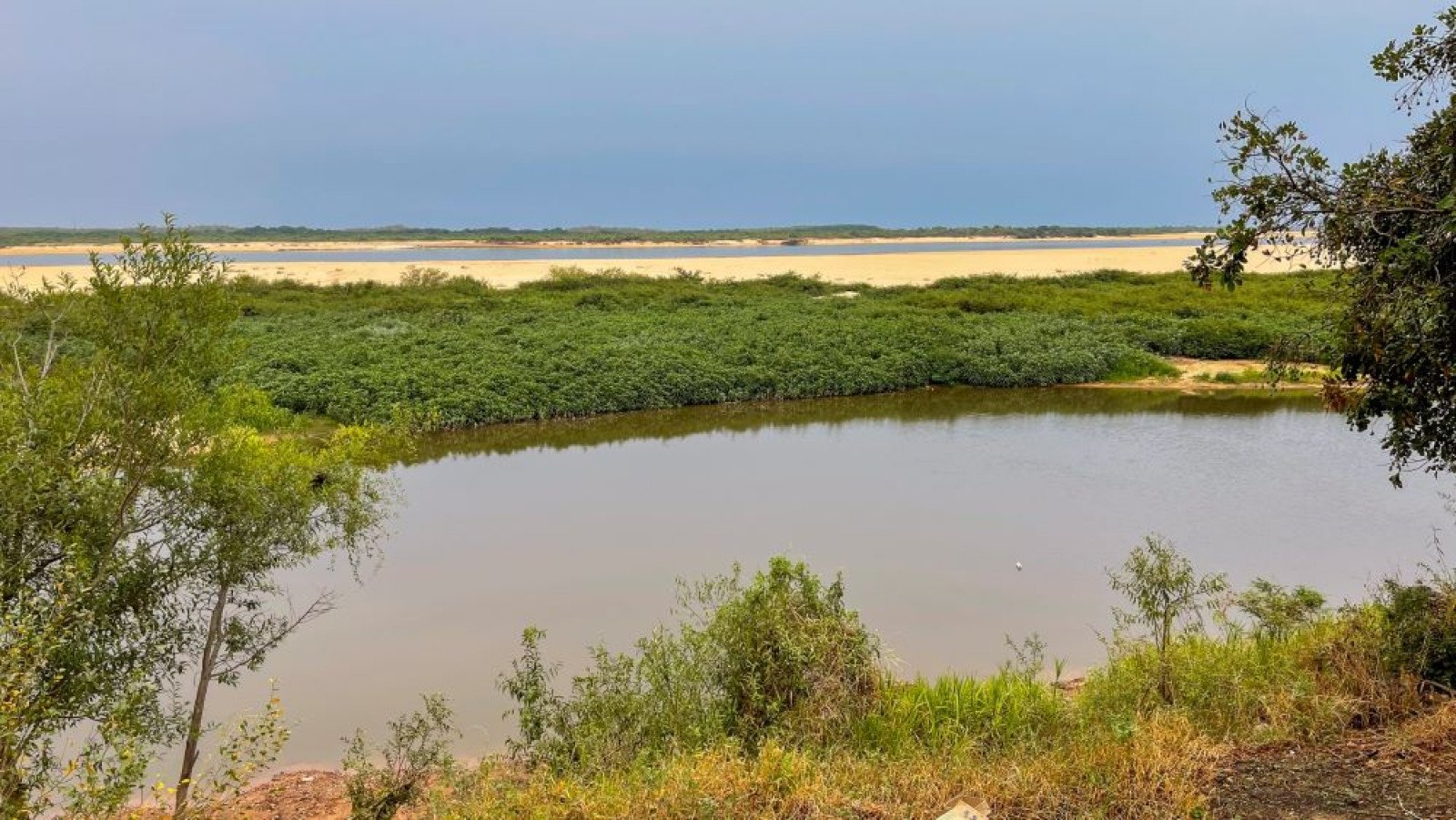
5 – A sweeping view of the Berohoka River (indigenous Karajá term for Araguaia River) and the Bananal Island, the world's largest river island. This landscape, shaped by seasonal floods and rich floodplains, forms the dynamic heart of the territory cared for by the Javaé and Karajá peoples.
©Marco Jacob.
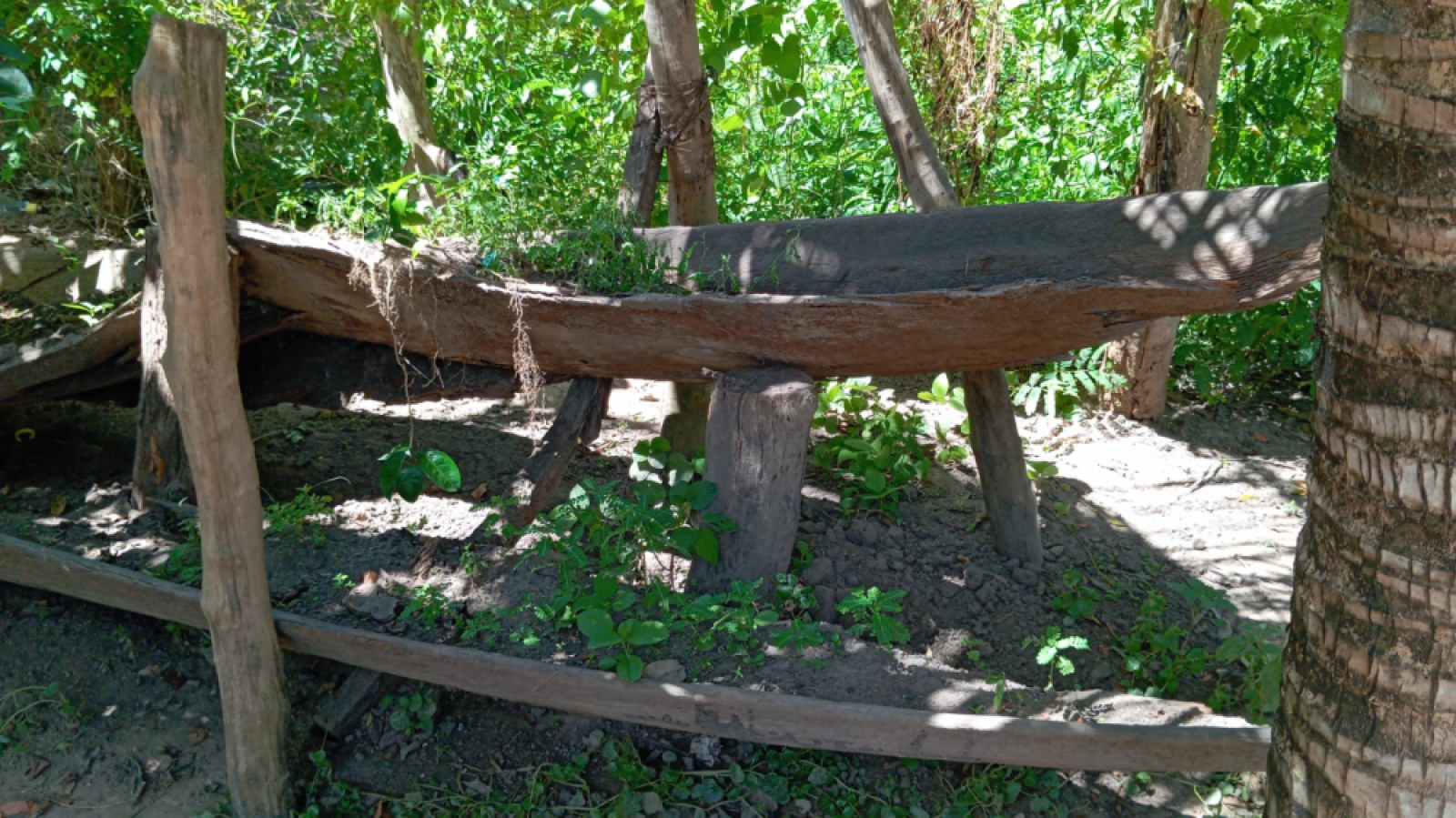
6 – A Javaé and Karajá indigenous Lame canoe: a boat expertly crafted from a single tree trunk. The construction of these canoes illustrates a refined traditional technology, perfectly adapted to navigate the complex waterways, floodplains, and rapids of the Berohoka River. However, the techniques and knowledge related to these canoes are disappearing due to a lack of intergenerational transmission.
© Maria do Carmo Tito.
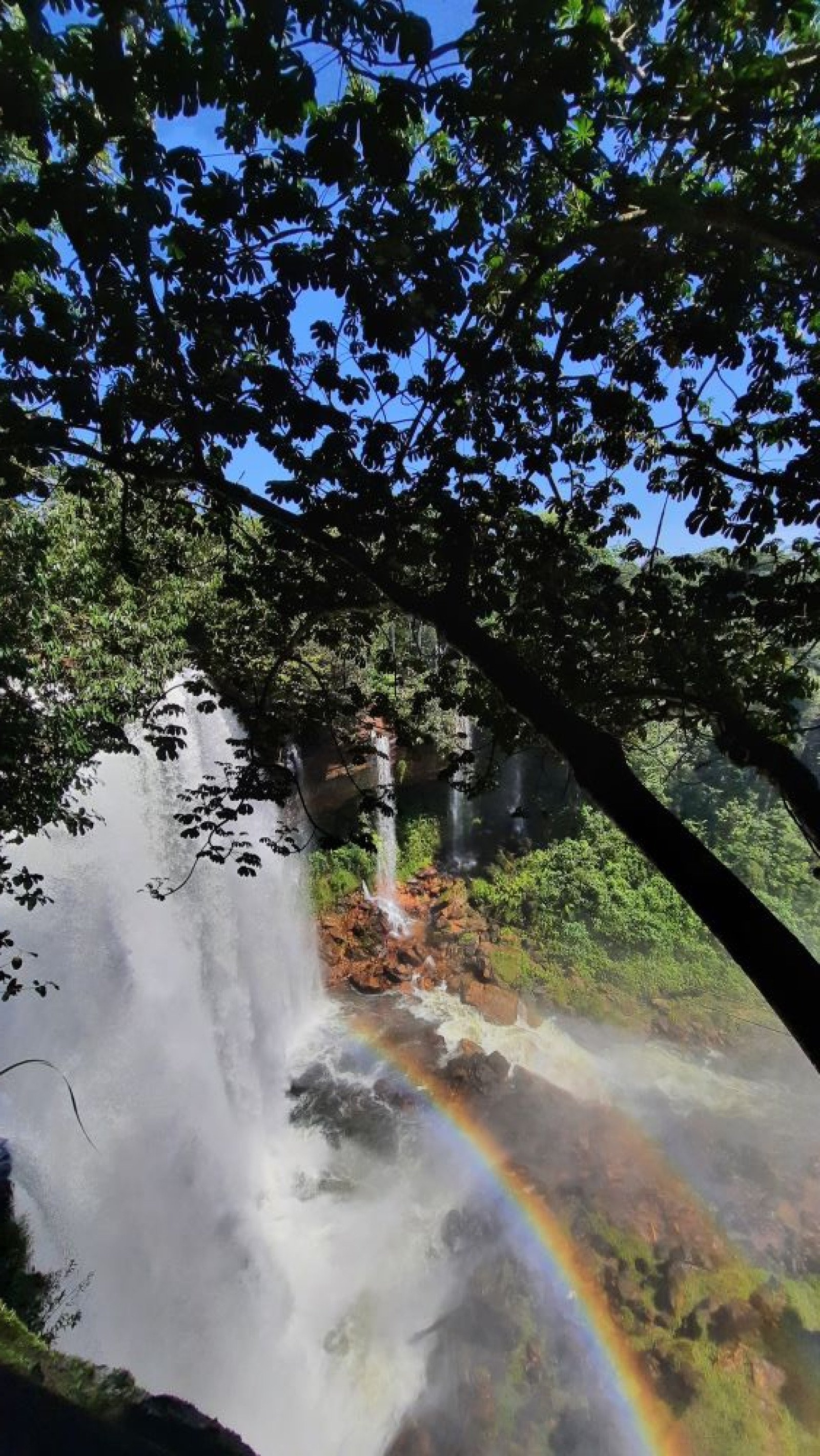
7 – The powerful Acaba Vida ("Life-Ender") Waterfall on the Berohoka River. Such dramatic features within the river system are not just geographical landmarks but also hold cultural significance, marking territories, influencing fishing practices, and featuring in the oral histories of the region's Indigenous peoples.
© Artur Firmino.
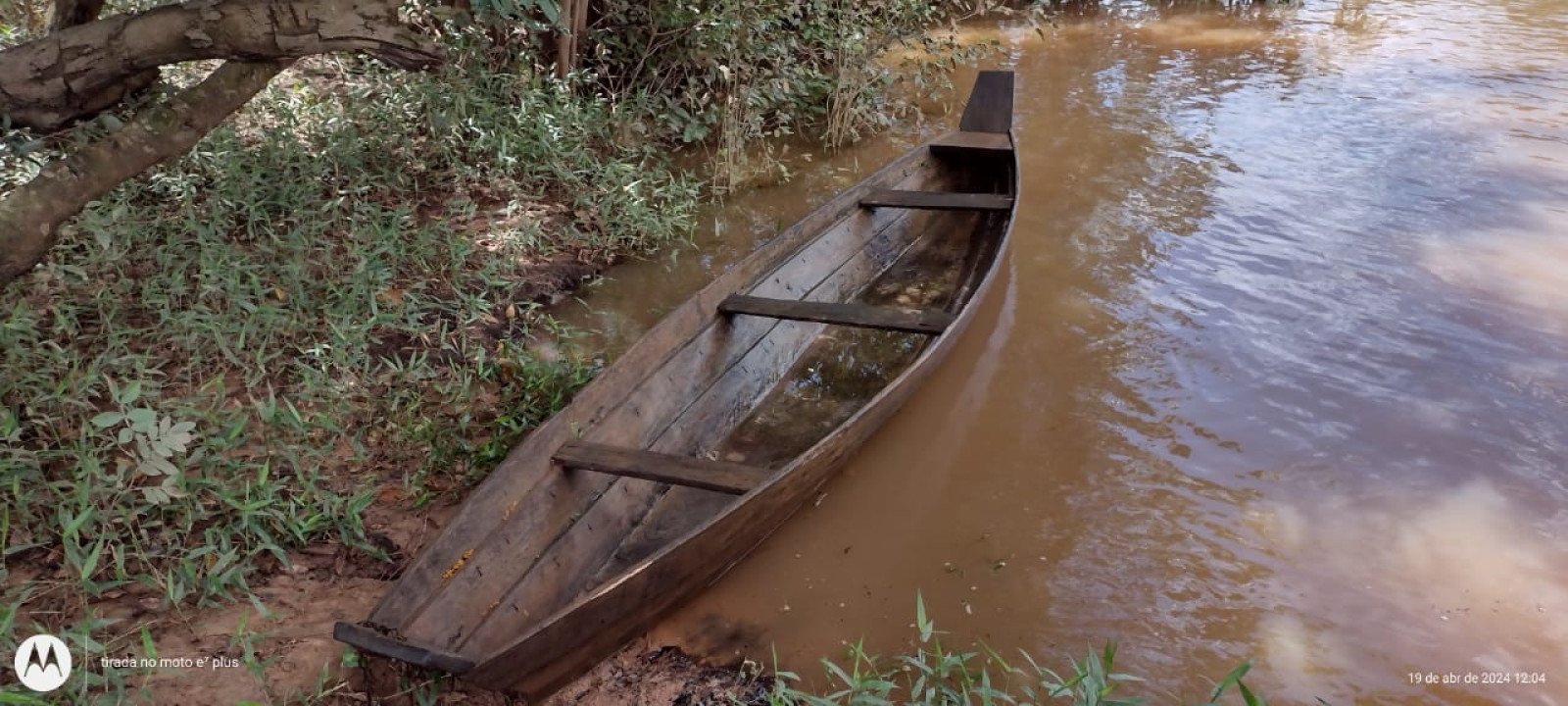
8 – A view of a plank canoe, another traditional vessel used by the Indigenous peoples of Tocantins. This style of canoe, built from joined planks rather than a single hollowed trunk, showcases the diversity and adaptability of Indigenous boatbuilding knowledge across different communities and ecological niches.
© Valcir Sumekwa Xerente.