
Ghana



GHANA
Hydro-technologies of the pile-dwelling lake village of Nzulezo
The pile-dwelling village of Nzulezo, which means ‘surface of water’, is located on Lake Tadane. This outstanding settlement exemplifies the harmony between humans and nature achieved in this region. According to tradition, Nzulezo was founded by a clan from the ancient Ghana Empire, who arrived here guided by a snail.
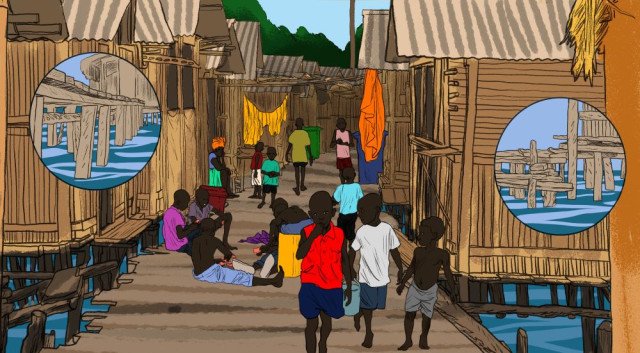
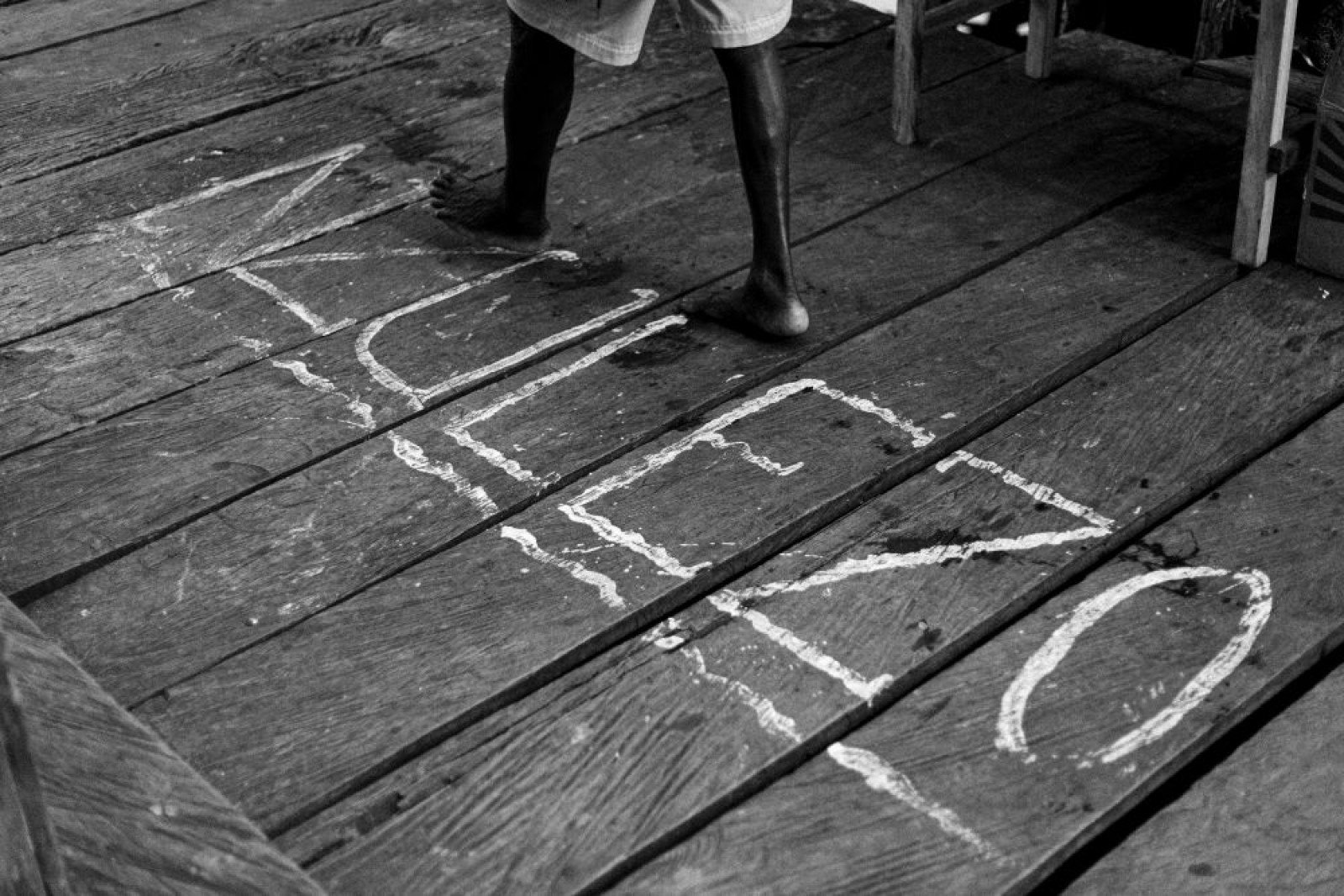
The settlement is the result of sophisticated and resilient building technology on water. All daily activities - including schooling, rites, baptisms, and burials - are ultimately connected to the lake and watery conditions, as symbolized even by the pounding of fufu, a traditional meal.
This unique combination of natural and cultural heritage underscores a sustainable relationship with water. However, a plan for the dynamic conservation of this village must consider a type of tourism that does not harm the community's livelihood and pace of life.

Copyright: AHFP films. Spacefourt,
Iconic Ironic Architecture and
C. Donkor, for the NZLZ Informal Architecture on Water project.
Image courtesy: G. Asmah,
C. Donkor, J. Hanna
and P. Panigyrakis.
nzulezo.com
Drawings: Gabriele Melegari
Gallery




From left to right (above):
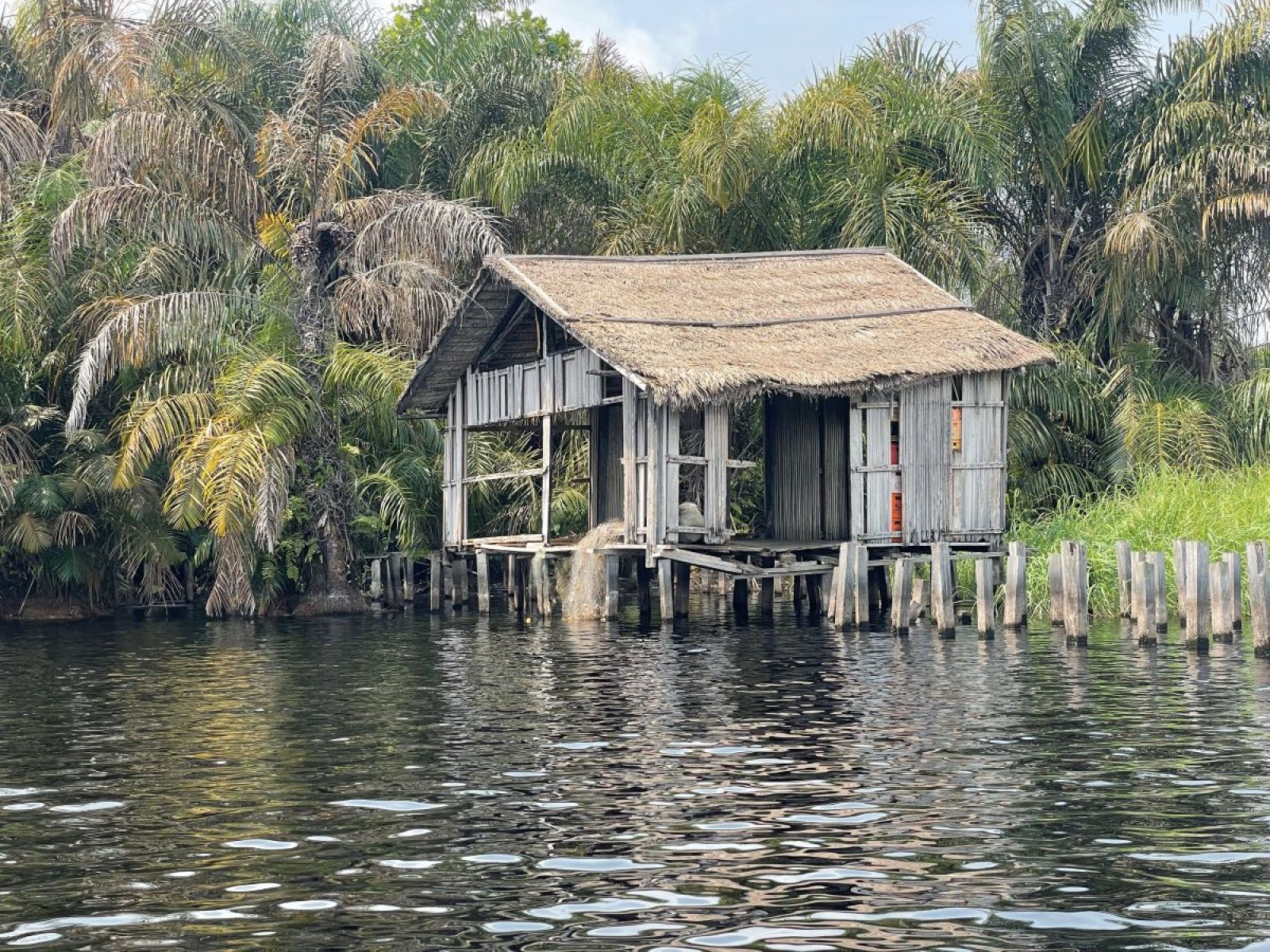
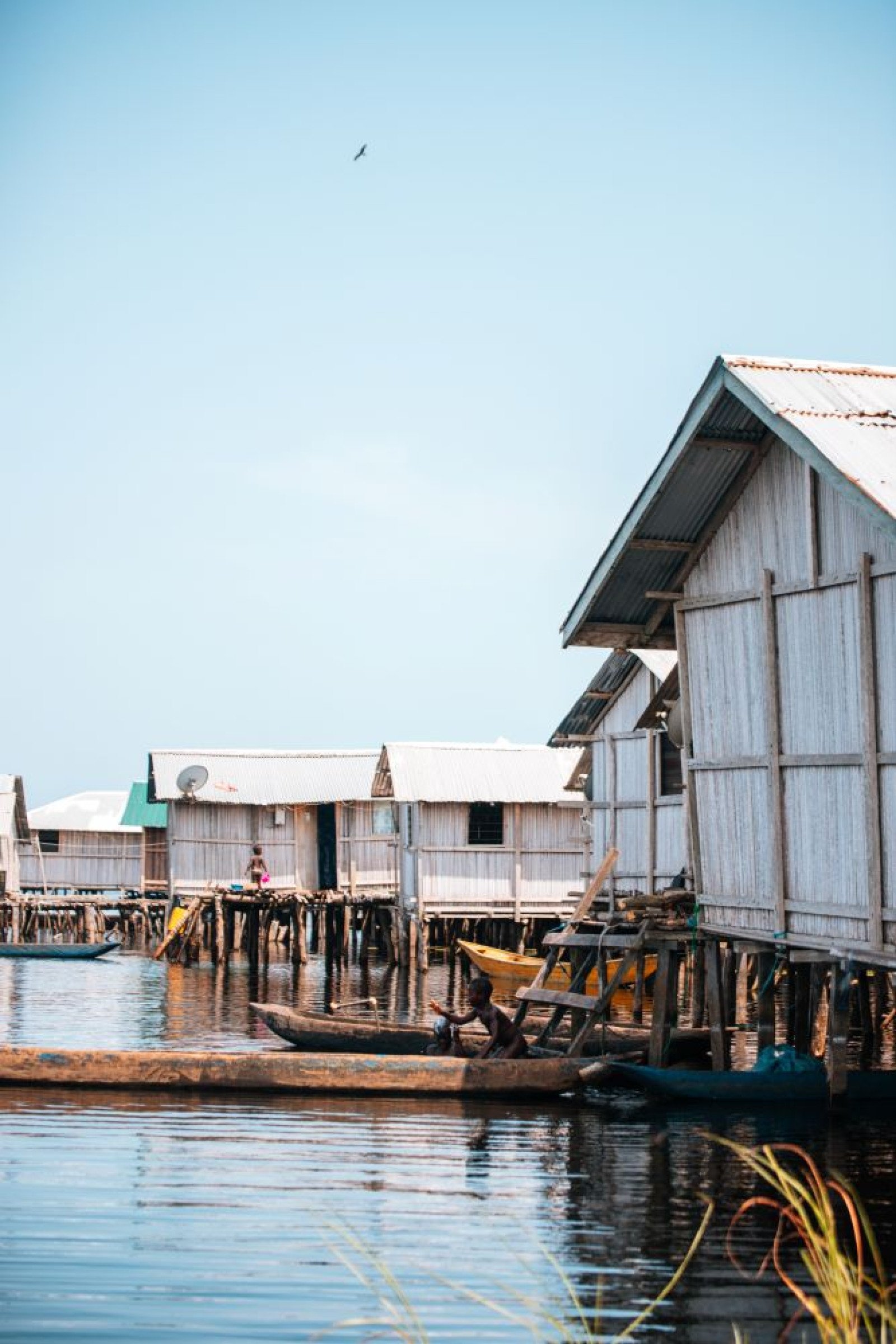
1 - This traditional pile-dwelling house is built on Lake Tadane, Ghana: in adapting to seasonal variations in water levels, it is an example of the harmonious relationship between humans and nature. Connected to each other, these houses form a settlement, the ancient village of Nzulezo, which means ‘water surface’.
© G. Asmah, C. Donkor, J. Hanna and P. Panigyrakis.
2 – The village of Nzulezo, as shown in this view from above, stretches like a thin strip between the dense forest and the shores of Lake Tadane. The settlement features a unique combination of natural elements and cultural heritage. This has been made possible by the development of ingenious water-related technologies designed to adapt to the existing natural environment, rather than modify it.
© G. Asmah, C. Donkor, J. Hanna and P. Panigyrakis.
3 - A typical dwelling in the village of Nzulezo which can mainly be accessed by traditional wooden boats. The settlement, built on stilts, is the result of a sophisticated ancestral technology developed over centuries. However, these techniques and knowledge are about to disappear due to a lack of intergenerational transmission.
© G. Asmah, C. Donkor, J. Hanna and P. Panigyrakis.
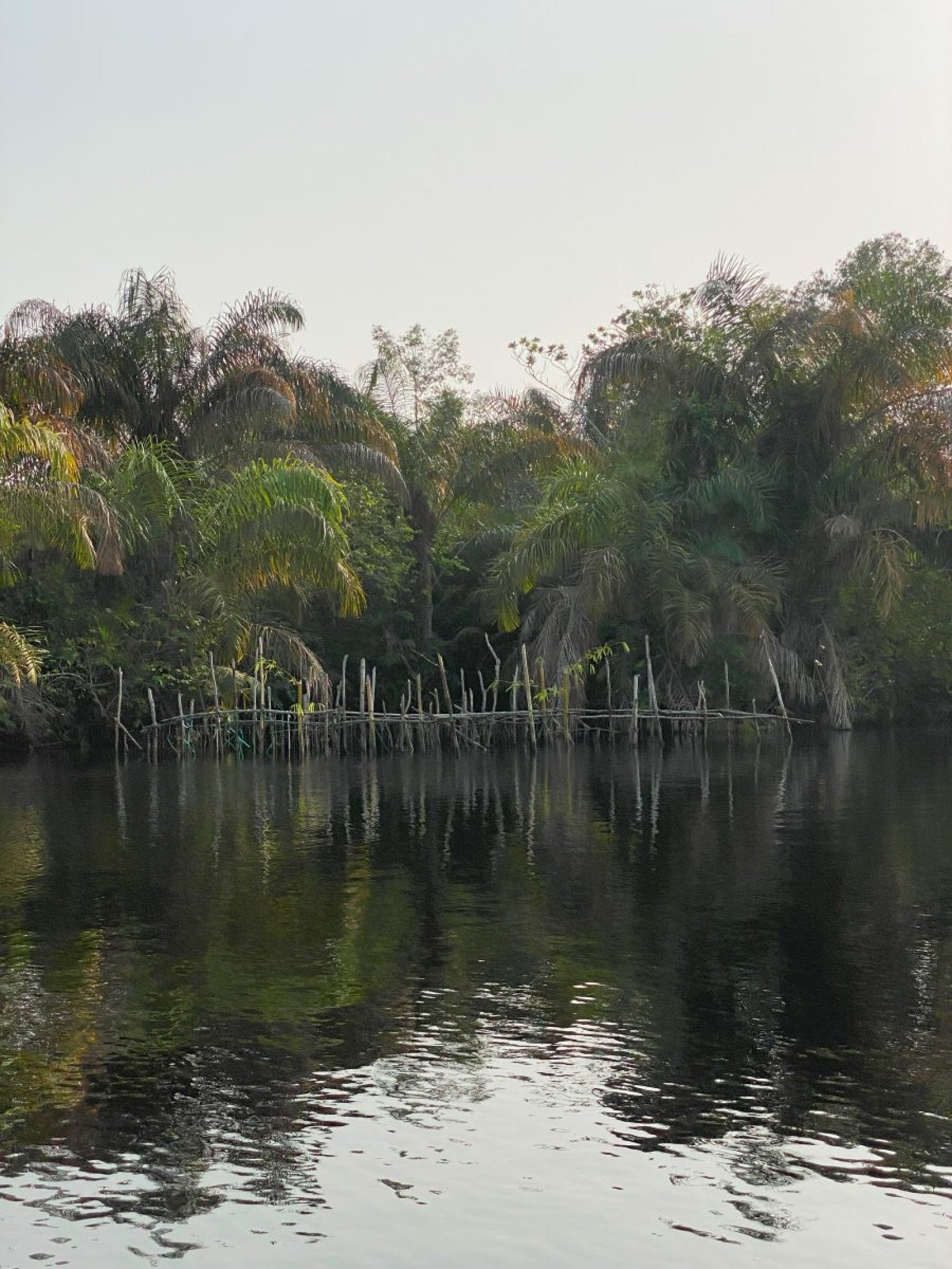
4 - Wooden structures on the edge of the dense forest are used for sustainable fishing practices that guarantee the livelihood of the local population. The balanced interaction between human elements and natural environment is the main feature of a village which, unfortunately, is becoming depopulated and risks being abandoned soon.
© G. Asmah, C. Donkor, J. Hanna and P. Panigyrakis.
From left to right (below):
5 – People walking on wooden shared walkways. The houses in the village are connected to each other by wooden walkways suspended over the water. All daily activities such as schooling, trades, rituals, baptisms, and burials are ultimately connected to the lake and its water.
© G. Asmah, C. Donkor, J. Hanna and P. Panigyrakis.
6 – A detail of the distinctive wooden structures on which the settlement is based. Nzulezo is the result of a resilient building tradition, which takes the suitable materials for the construction and maintenance of the village from the local surrounding environment.
© G. Asmah, C. Donkor, J. Hanna and P. Panigyrakis.
7 – An overview of some houses which have been recently restored, showing the steps leading down to the water for the use of traditional boats. According to oral tradition, Nzulezo was founded by a clan from the ancient Ghana Empire: it was guided by a snail and ended his wanderings when he finally found a place suitable for human life.
© G. Asmah, C. Donkor, J. Hanna and P. Panigyrakis.
8 – A traditional boat at a jetty.Today, plastic and waste in the lake are on the rise, and the fragile harmony of this amphibious village suggests the need to adopt a conservation plan that does not threaten the community's livelihood.
© G. Asmah, C. Donkor, J. Hanna and P. Panigyrakis.