
Indonesia


Indonesia
The Subak system of terraced rice fields and landscape in Bali
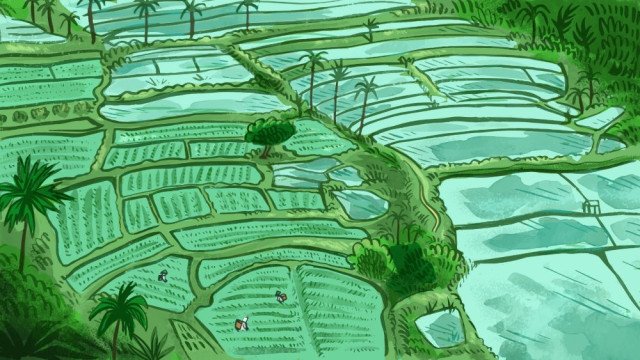
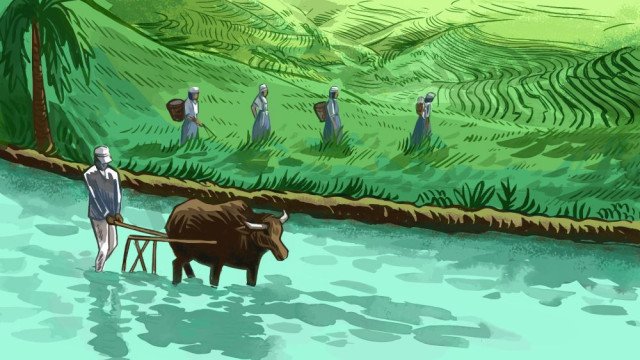
Subak is a sophisticated system of water management tailored to the landscape and agricultural practices of Bali. Central to this system are intricate networks of canals, locks, and hydraulic structures aimed at distributing water across fields in an equitable manner. Rice production is the pillar of local cultural identity.
This traditional irrigation system promotes the fair distribution of water among farmers and fosters a sense of community and cooperation. Decisions are made through consensus-building processes that prioritize the collective welfare of the community over individual interests.
Water temple rituals emphasize the community’s dependence on the life-sustaining forces of Nature. Indeed, the Subak is based on the Balinese principle of ‘Tri Hita Karana’ which integrates the realms of the spirit, humans, and nature for harmonious coexistence.
Copyright: Ministry of Education and Culture, Cultural Preservation Office, Republic of Indonesia.
Ministry of Public Works and Housing, Directorate of Water Resources and Irrigation;
Bali Kuna Santi Foundation.
Photo courtesy: C. Kubontubuh
and T. Suryawan.
Drawings: Laura Micieli
Gallery

From left to right (above):
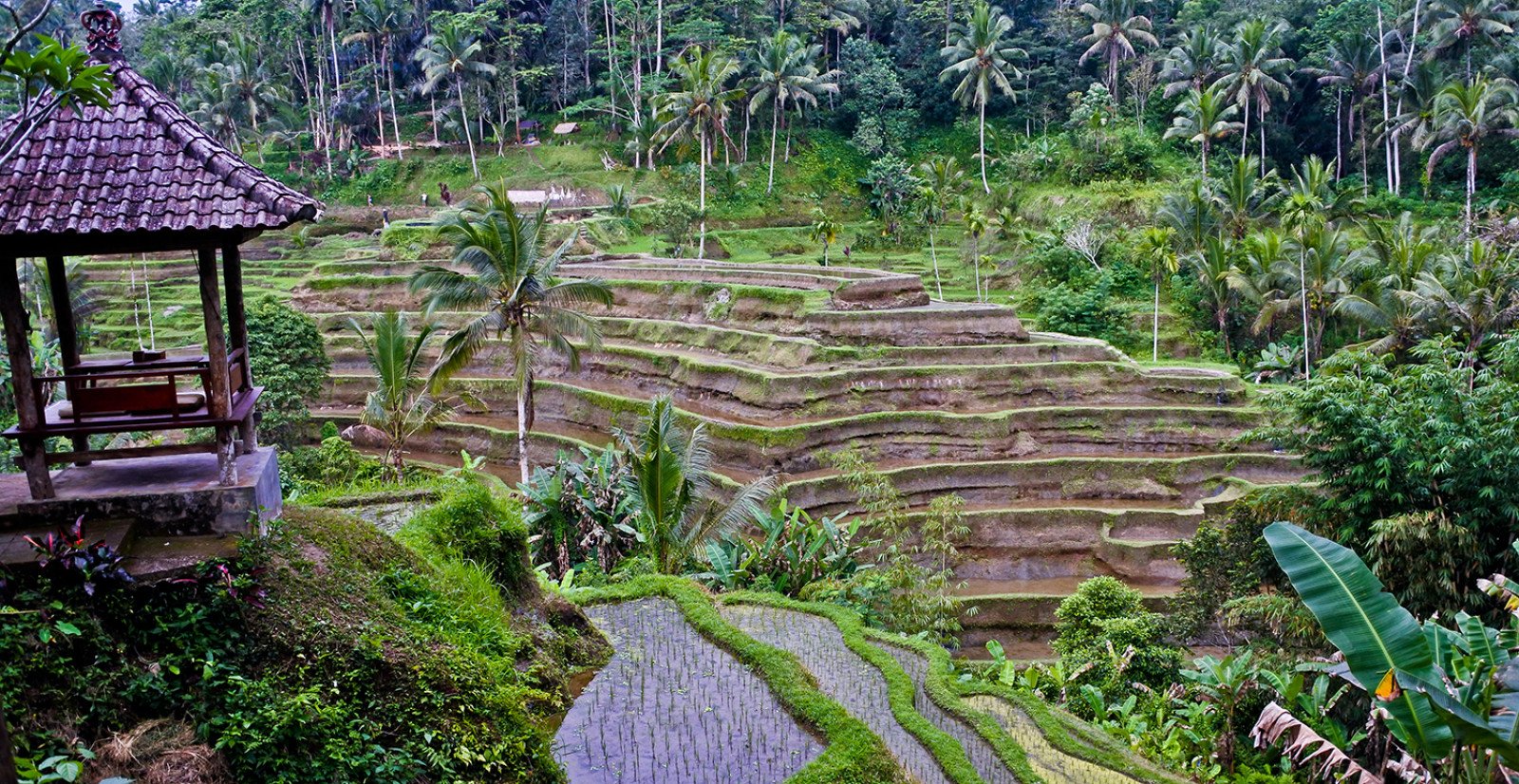
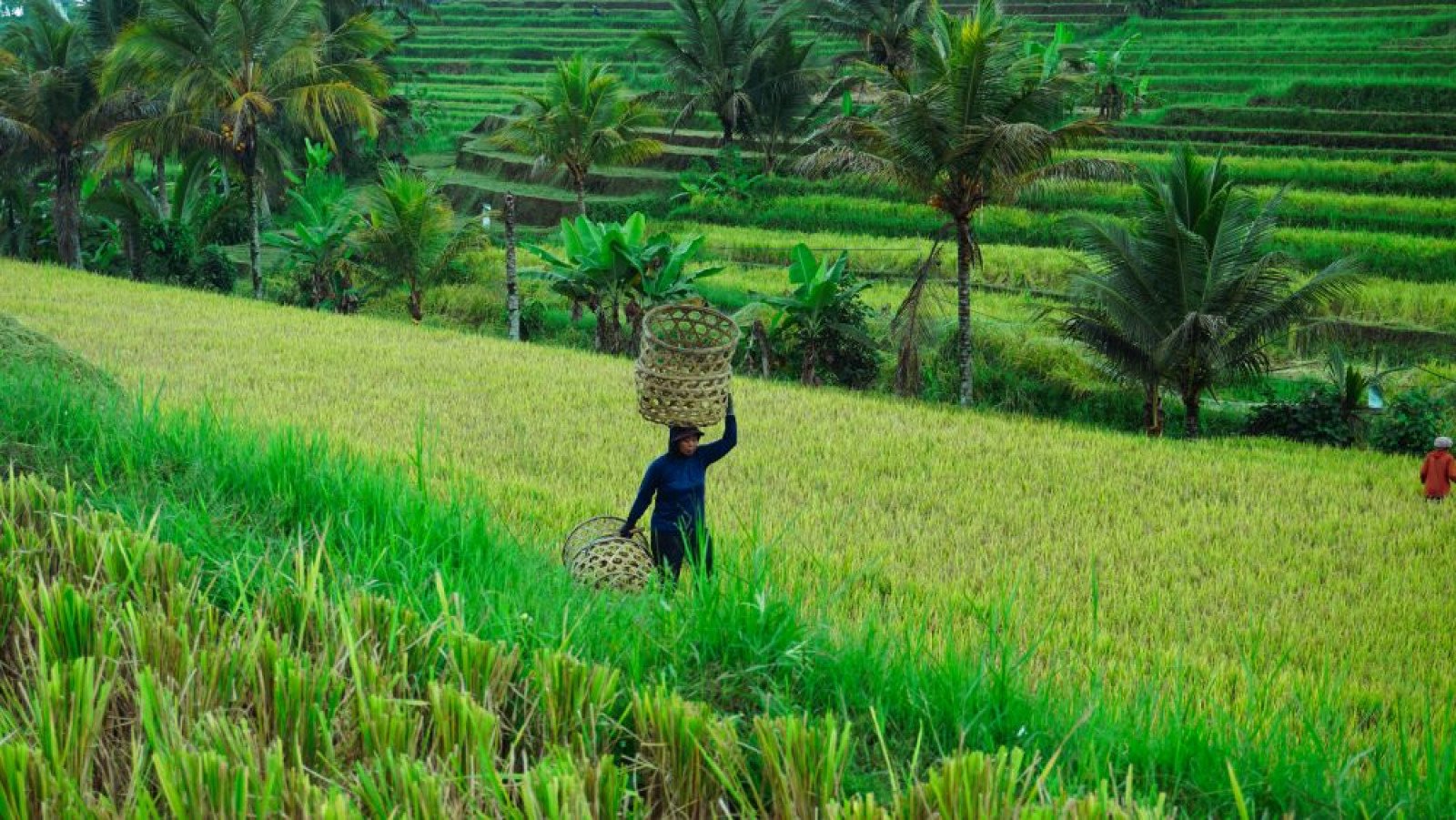
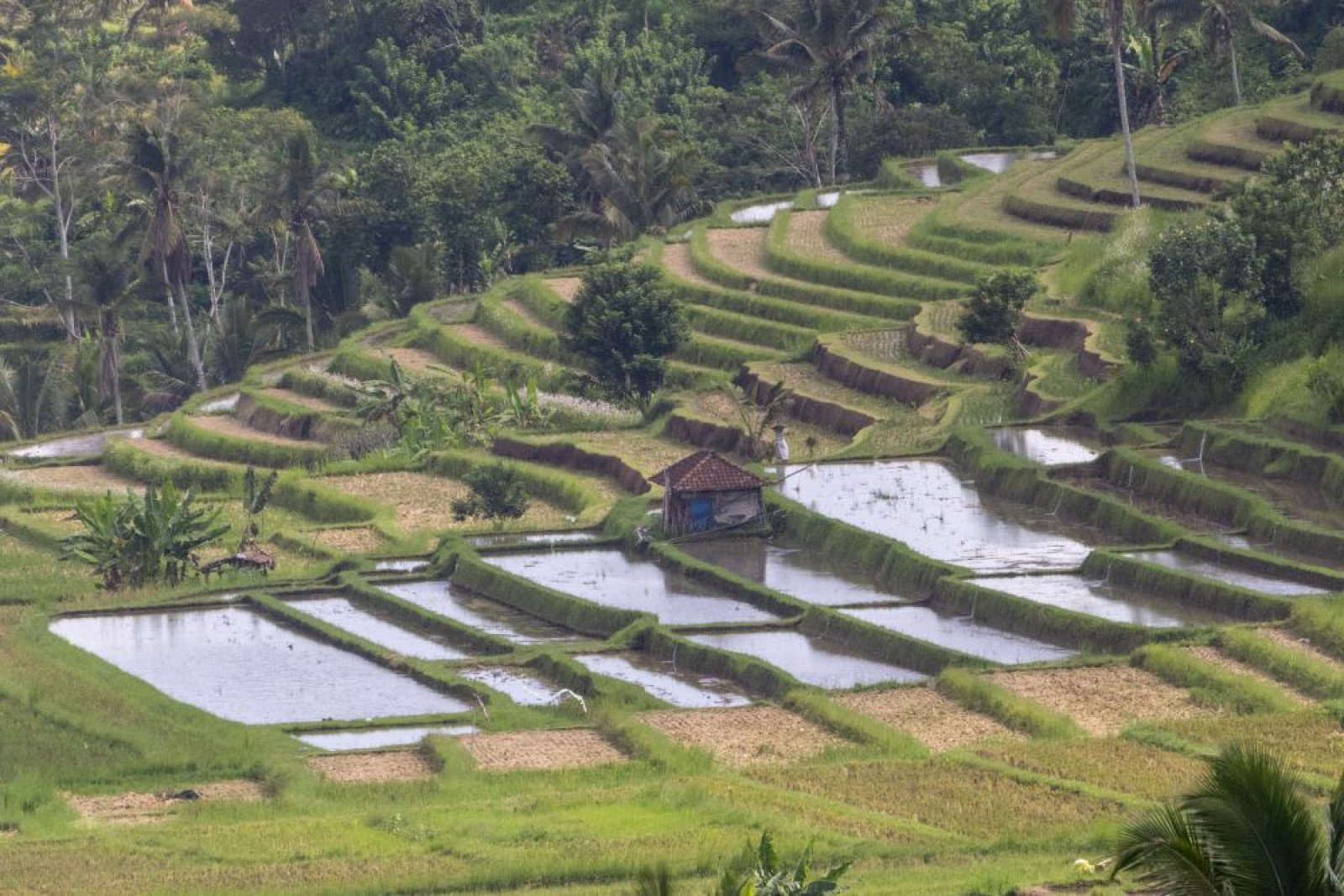
1 – Panoramic view of the iconic terraces used for rice cultivation on the island of Bali: the Subak system. This remarkable cultural landscape - designated today as UNESCO heritage - is the result of a refined water management that dates back to the IX century AD. It was designed to develop agricultural practices in harmony with nature according to a specific community worldview.
© C. Kubontubuh, T. Suryawan and Bali Kuna Santi Foundation.
2 – Ancient irrigation and land management techniques of the Subak are designed to ensure the equitable distribution of water resources among farmers. The Subak is an egalitarian system which promotes and strengthens a strong sense of cooperation and solidarity within communities that have managed the ecology of rice terraces at the scale of whole watersheds for centuries.
© C. Kubontubuh, T. Suryawan and Bali Kuna Santi Foundation.
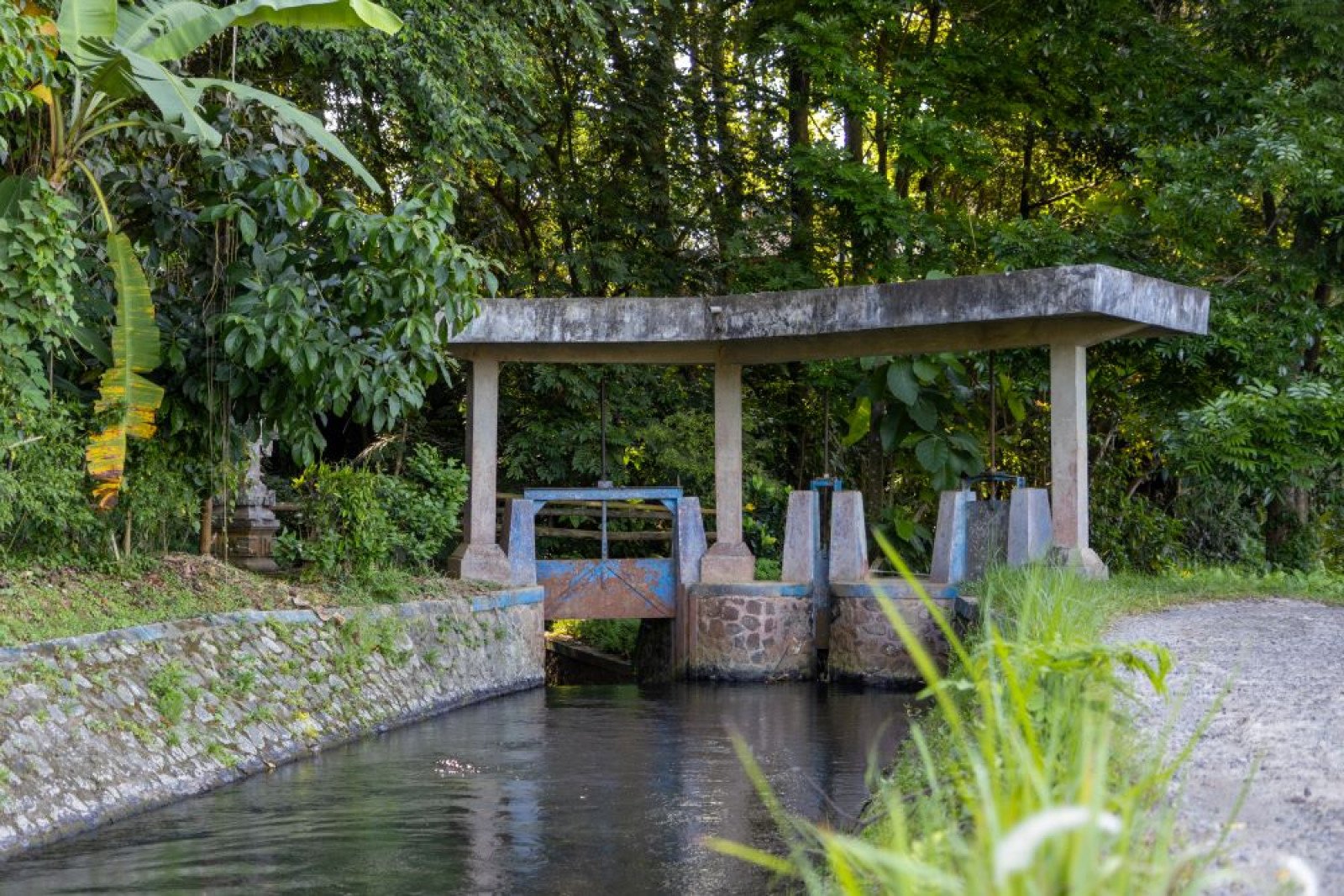
3 - A lock along an irrigation canal. Water flows downhill by gravity from the island's high volcanic cones, which are considered sacred. An intricate system of canals carries this water to the rice fields, passing through temples along the way: indeed, water is considered sacred. This concept was born of the cultural exchange between Bali and India around a thousand years ago.
© C. Kubontubuh, T. Suryawan and Bali Kuna Santi Foundation.
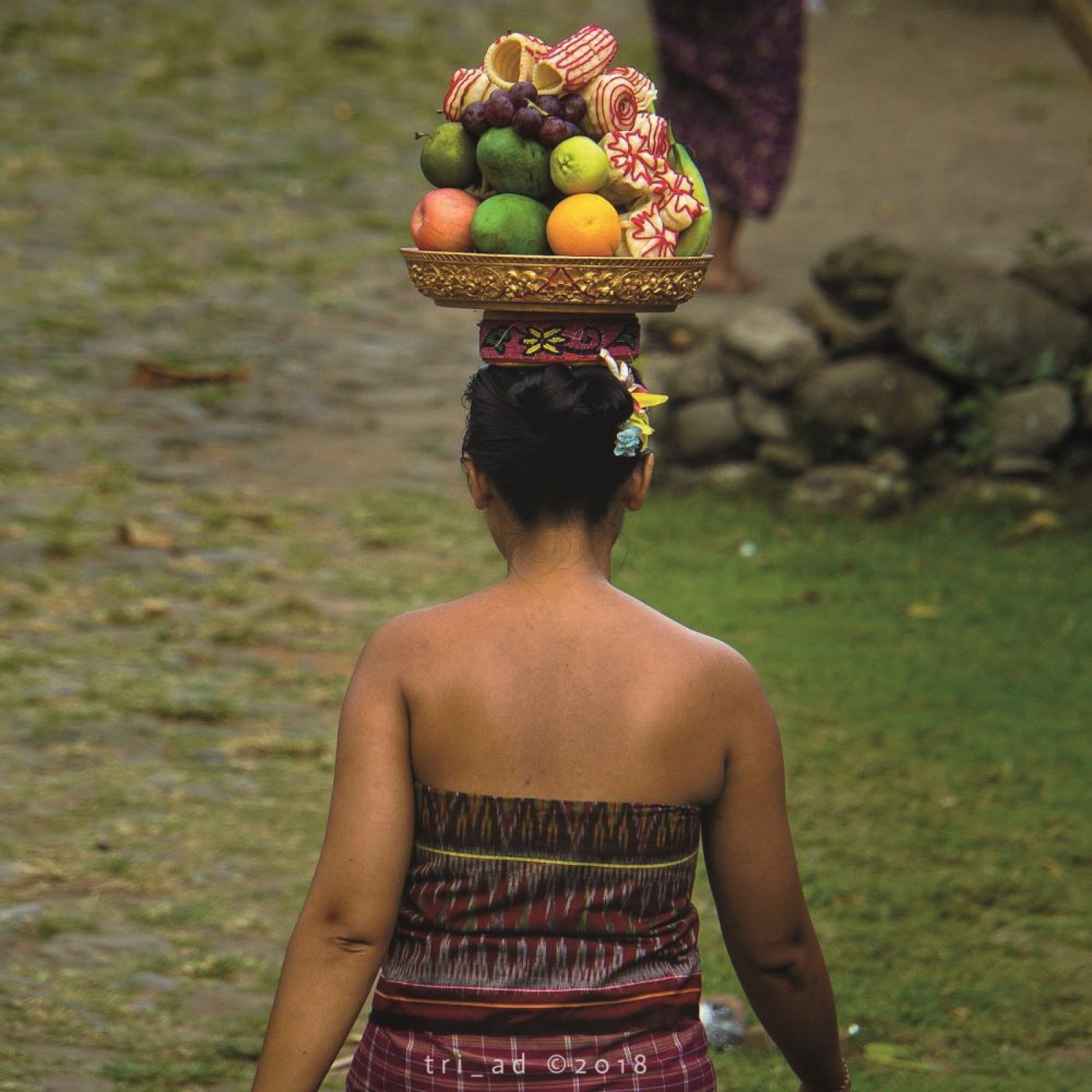
4 - The Subak system is inspired by the Balinese philosophy of the ‘Tri Hita Karana’, which integrates the realms of humans, nature and the spiritual world for harmonious coexistence. Only when all three of these distinct dimensions are harmoniously integrated into daily work practices can women and men achieve true happiness.
© C. Kubontubuh, T. Suryawan and Bali Kuna Santi Foundation.
From left to right (below):
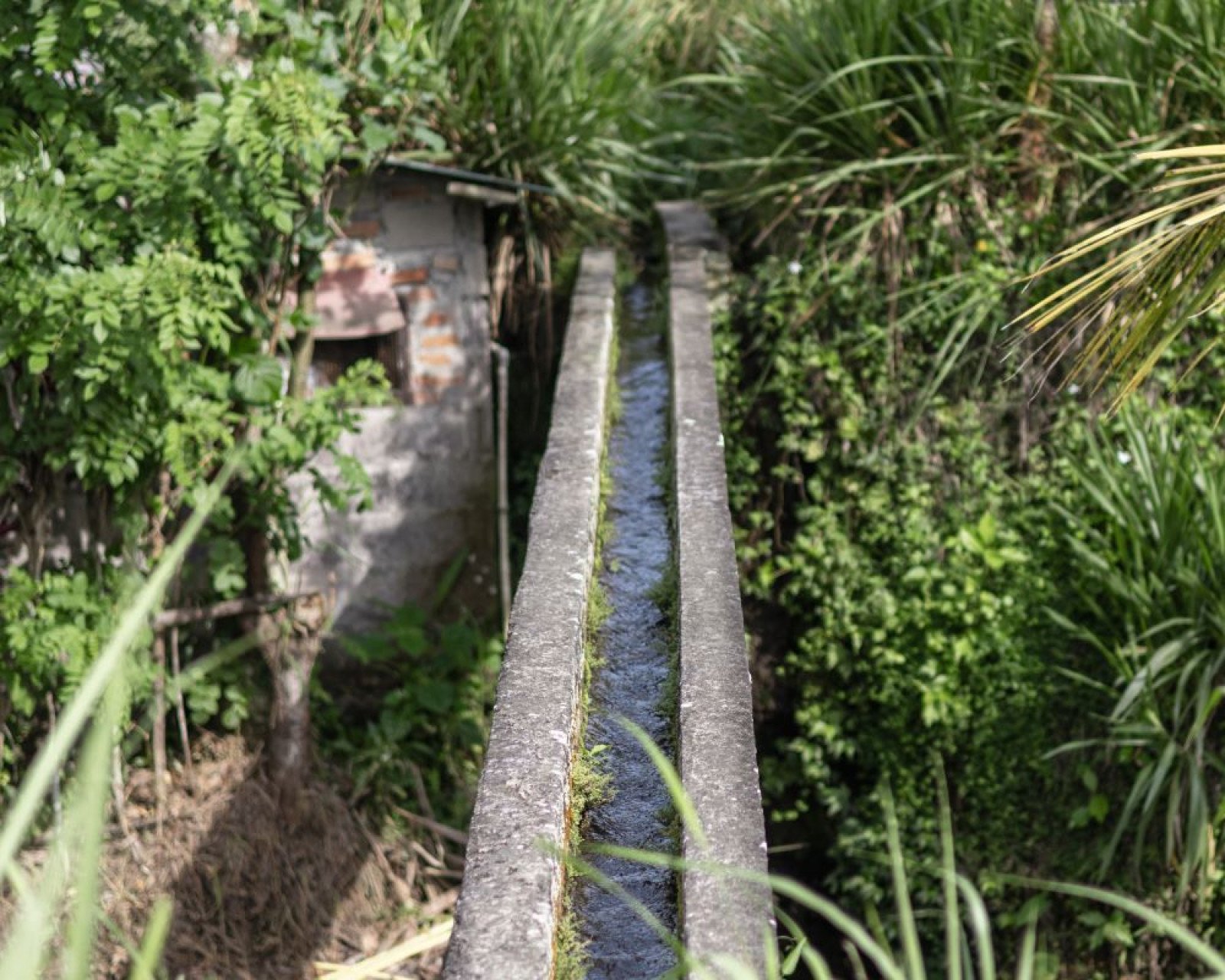
5 – A small irrigation channel among the vegetation. The Subak system consists of a network of large and small channels regulated by sophisticated hydraulic structures. Since the 11th century this network has provided a sustainable response to the challenge of supporting a dense population on a rugged volcanic island.
© C. Kubontubuh, T. Suryawan and Bali Kuna Santi Foundation.
6 – The main irrigation canals of the Subak system allow large quantities of water to be transported and distributed, supplying the island's terraced fields for rice production. Rice is seen simultaneously as a gift of god. As such, the Subak system also includes ritual practices. For this reason, the spring water flows first through the temples and then onto the rice fields.
© C. Kubontubuh, T. Suryawan and Bali Kuna Santi Foundation.
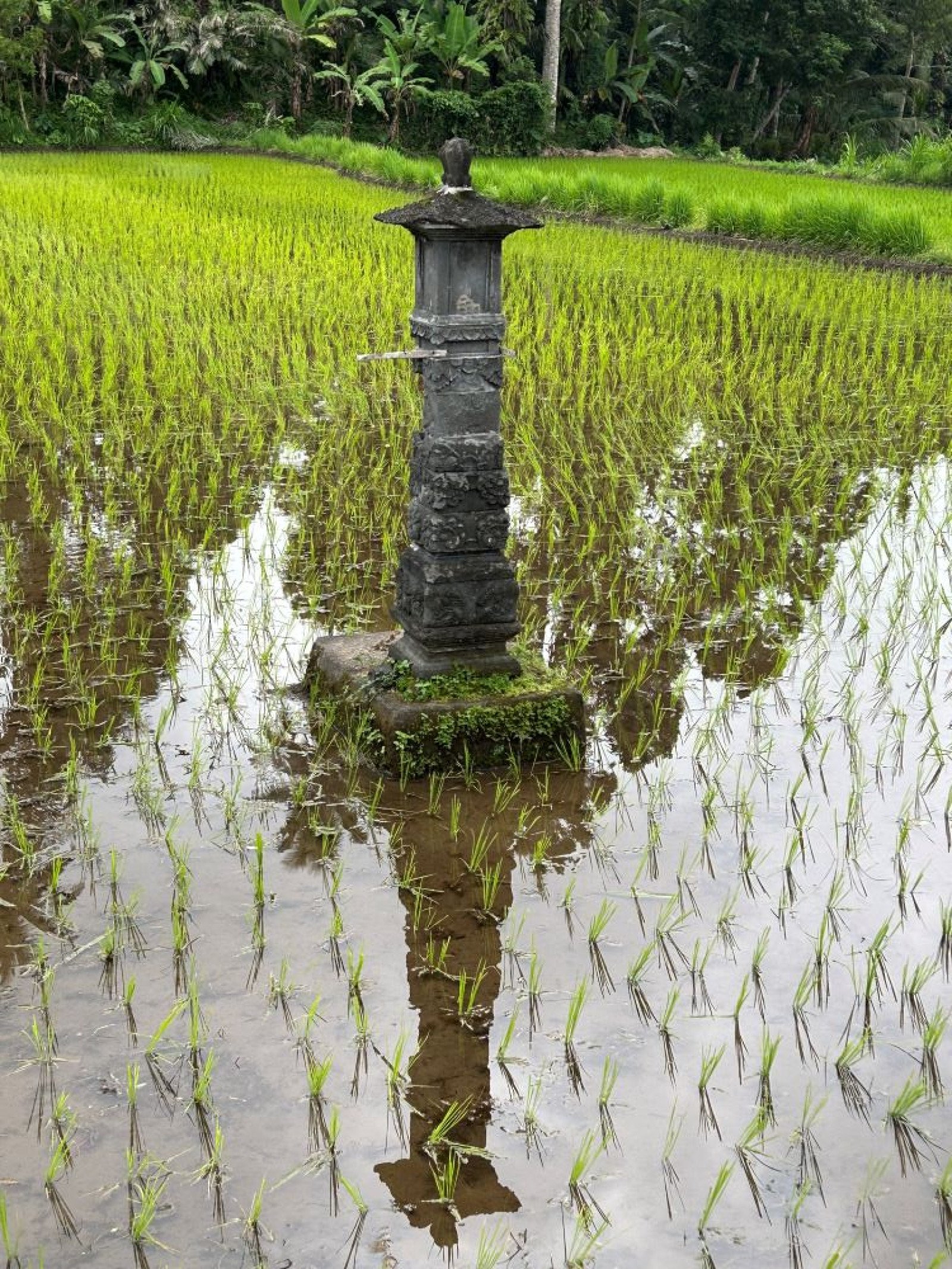
7 – The landscape of terraced fields includes traditional religious landmarks and buildings, such as temples and other architectural elements. The presence of this rich cultural heritage shows the unique worldview of Bali's rural communities, which strongly links human survival to the vital forces of nature.
© C. Kubontubuh, T. Suryawan and Bali Kuna Santi Foundation.
8 – Bali's traditional agricultural waterscapes reflect the unique communitarian, religious and ecological principles of the Subak. Today, however, this system is under severe strain because of the proliferation of pollution, plastics and, not least, mass tourism - which is causing the gradual and inexorable abandonment of rural areas.
© C. Kubontubuh, T. Suryawan and Bali Kuna Santi Foundation.