
Morocco

MOROCCO
The khettaras, ingenious water management in desert oases
For centuries, oases have played a vital role within the complex network of trade routes that crossed some of the planet’s driest regions. Khettaras (also known as foggaras in Algeria or qanats in Iran) are several kilometres long underground tunnels that gently draw water from geographical areas located at higher altitudes to the oases.
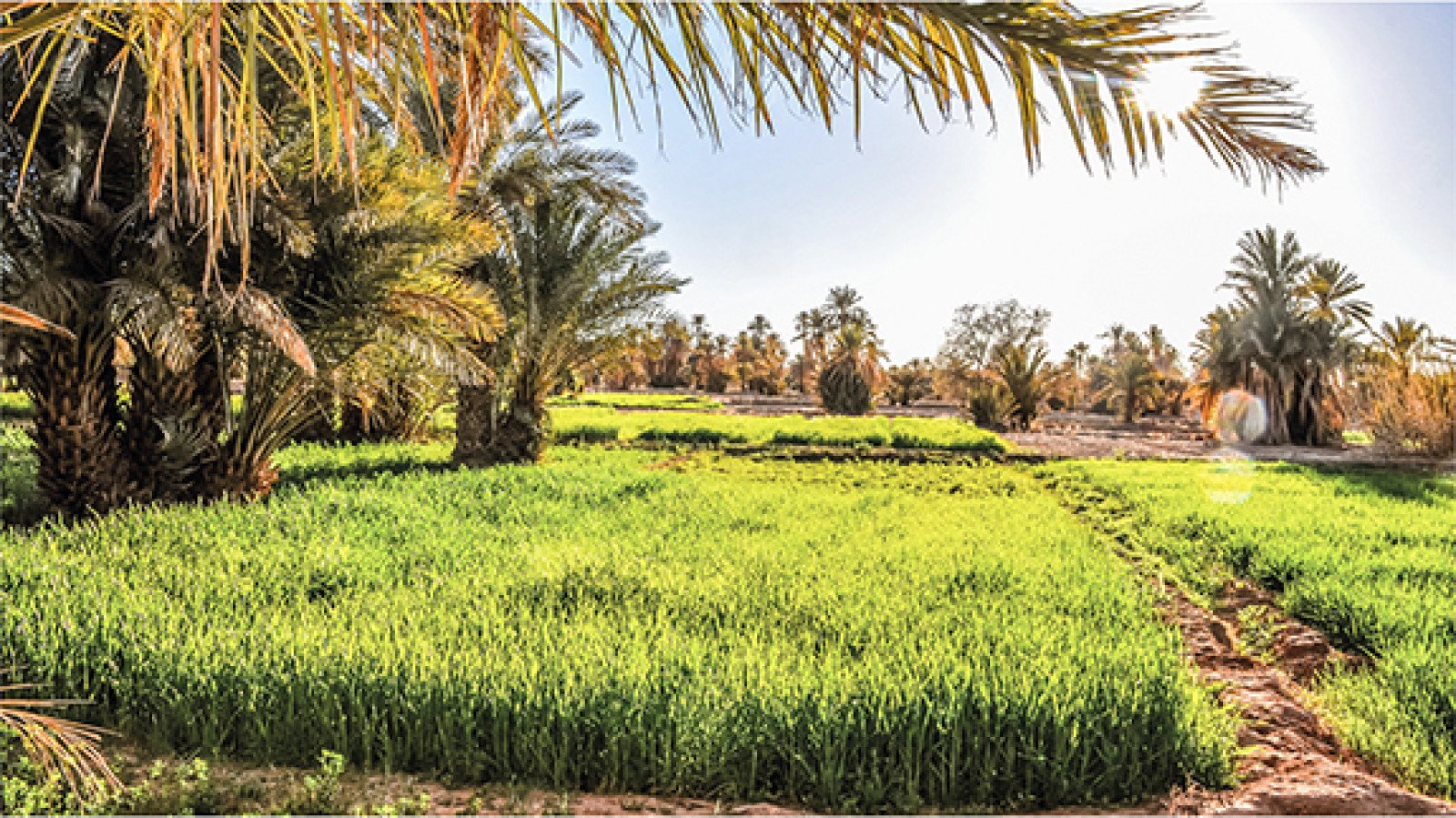
Water channelled through khettaras is suitable for all human uses but is mainly used to irrigate land through intensive agriculture, which, according to agroecological principles, combines perennial tree crops and seasonal crops in the same plot.
Desert oases stand out as highly productive anthropic ecosystems. Thanks to the farsighted use of groundwater, they not only sustain local communities, but also generate a surplus of high value. If properly managed, oases are self-sufficient systems that are sustainable by definition.
"Children of Water" is an original documentary series created by Joy Penroz & Sylvain Grain and produced by Raki Films (Chile) with the support of Chilean National Television Council (CNTV), in co-production with RTVC Señal Colombia.
Gallery
From left to right (above):
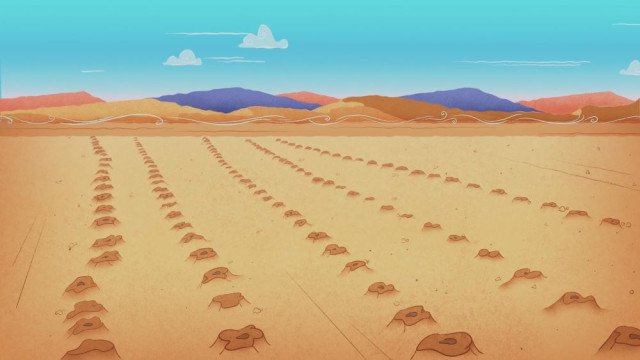
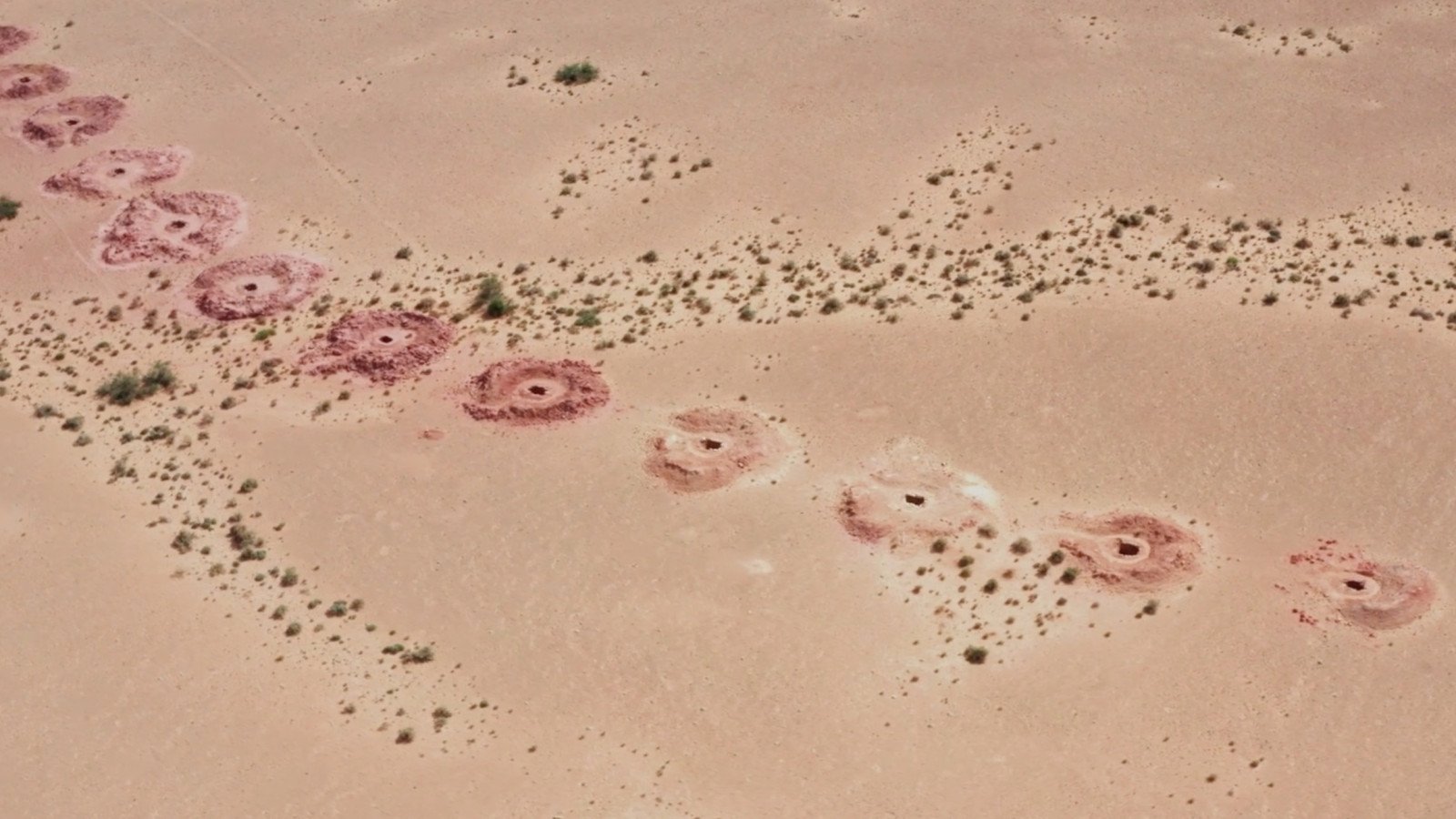
1 – Aerial view of the ventilation wells of a khettara crossing the desert. The khettaras are ancient underground tunnels which take water from higher ground levels and carry it to oases through arid lands, supplying water to communities and fields. The khettara system is ‘sustainable’ by definition, as it does not require mechanical energy to operate and does not emit gases.
© Raki Films. From the documentary film series ‘Children of Water’, by J. Penroz & S. Grain.
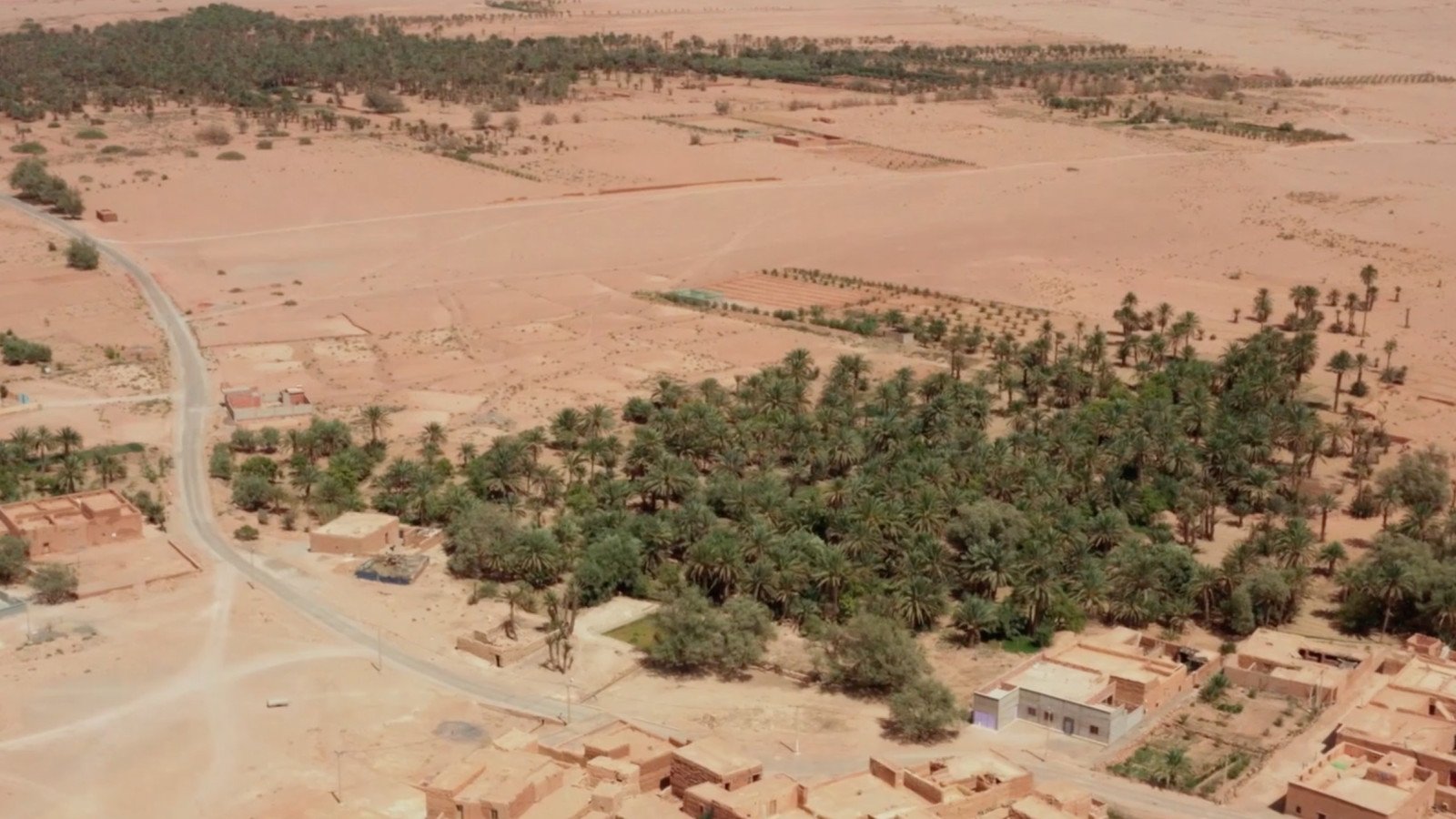
2 - View from above of a Moroccan desert oasis. Khettaras (called foggaras in Algeria and qanats in Iran) have provided a constant water supply to oases in the arid areas of Morocco, enabling irrigation for intensive farming. Proper water management has therefore allowed oases to become a sustainable and self-sufficient geographical and cultural entity.
© Raki Films. From the documentary film series ‘Children of Water’, by J. Penroz & S. Grain.
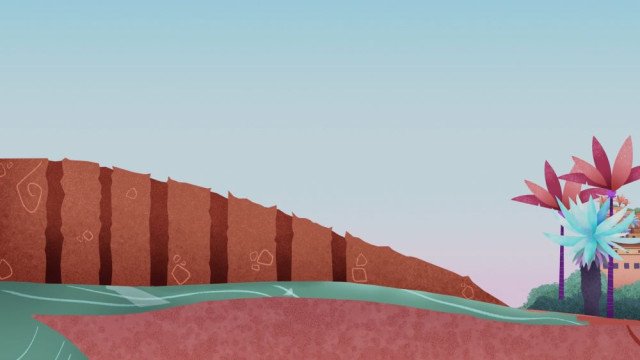
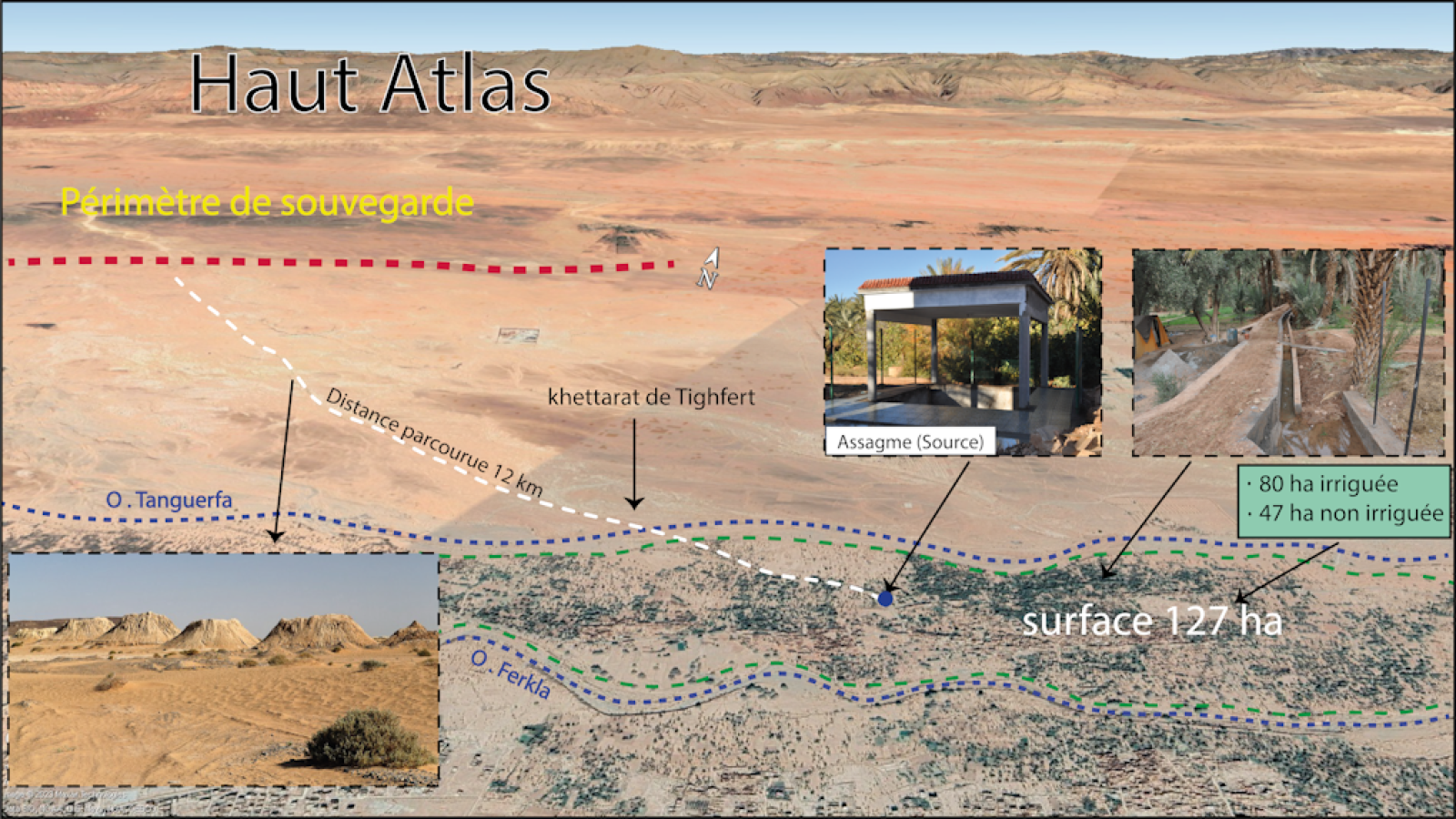
3 – Chart of a khettara, which crosses the desert landscape. Its path is marked by a series of vertical maintenance shafts. This ancient hydro-technology acts as an underground river, gently transporting infiltrated water from the foothills to the parched plains below. It’s the invaluable contribution of ancient ingenuity that turned arid land into a productive and biodiverse haven.
© Raki Films. From the documentary film series ‘Children of Water’, by J. Penroz & S. Grain.
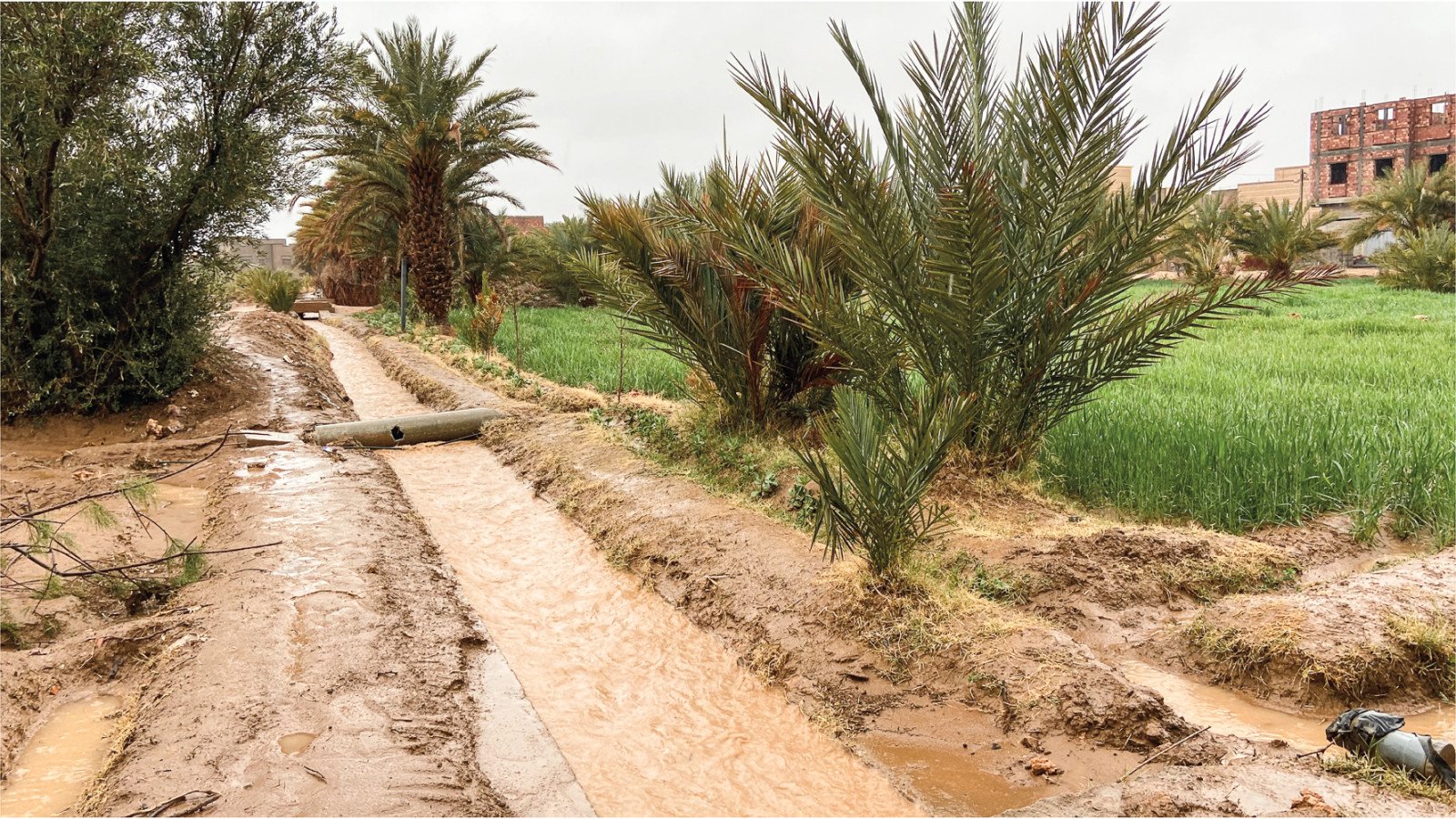
4 - A surface channel carrying water from the khettara directly to cultivated fields. This final, open section of the system represents the last leg of water’s long underground journey. The gravity-fed flow is finally transformed into a visible resource that feeds the intricate network of irrigation ditches sustaining a sustainable form of agriculture in the ancient oasis.
© Raki Films. From the documentary film series ‘Children of Water’, by J. Penroz & S. Grain.
From left to right (below):
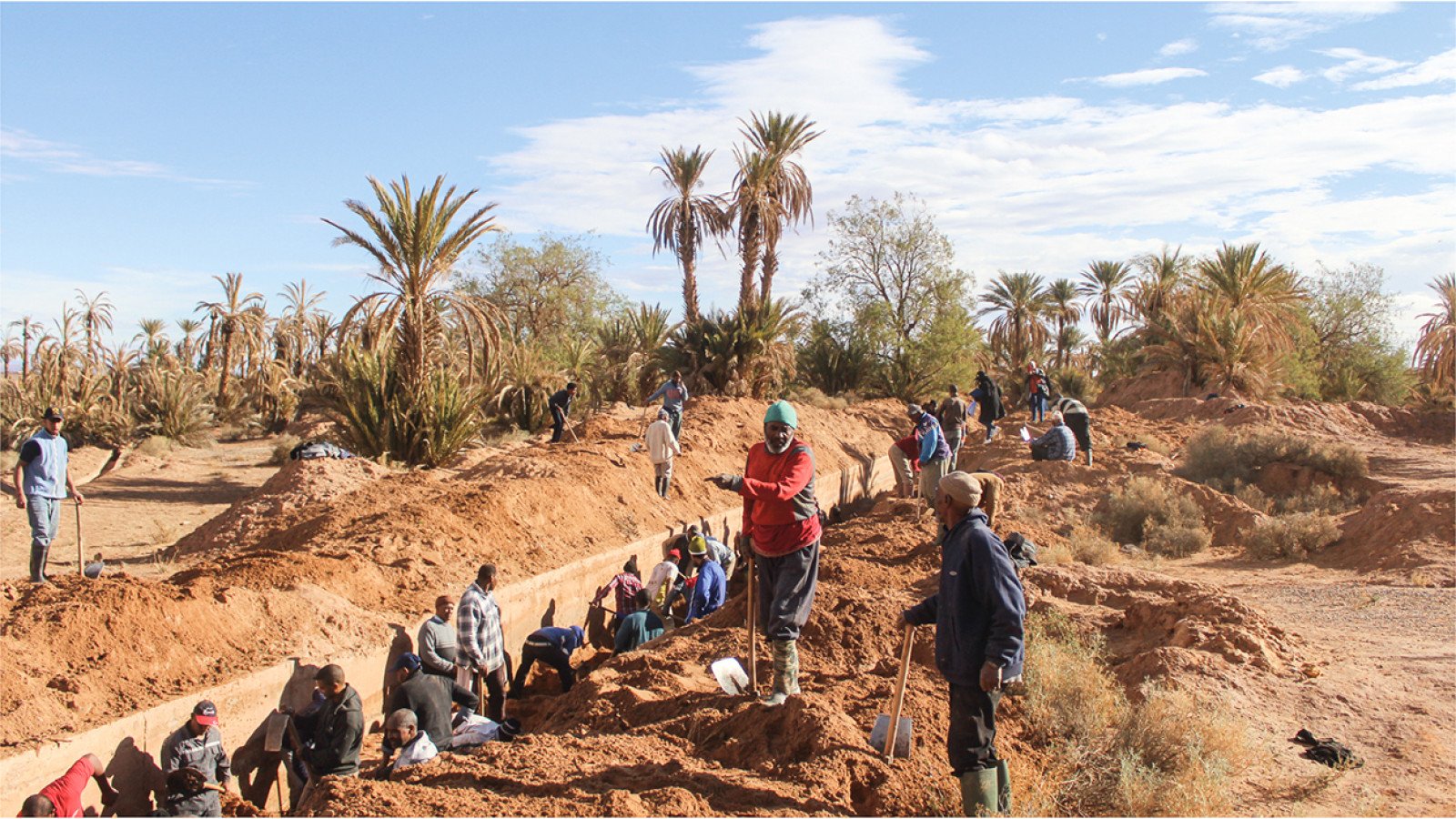
5 – The khettaras networks highly depends on collective labor. This community-led maintenance ensures the equitable distribution of water for oasis irrigation. The equitable distribution of water in the oases is the result of a ‘democratic’ process guaranteed by water rights which are proportional to the individual effort put into maintaining the communitarian system itself.
© Raki Films. From the documentary film series ‘Children of Water’, by J. Penroz & S. Grain.
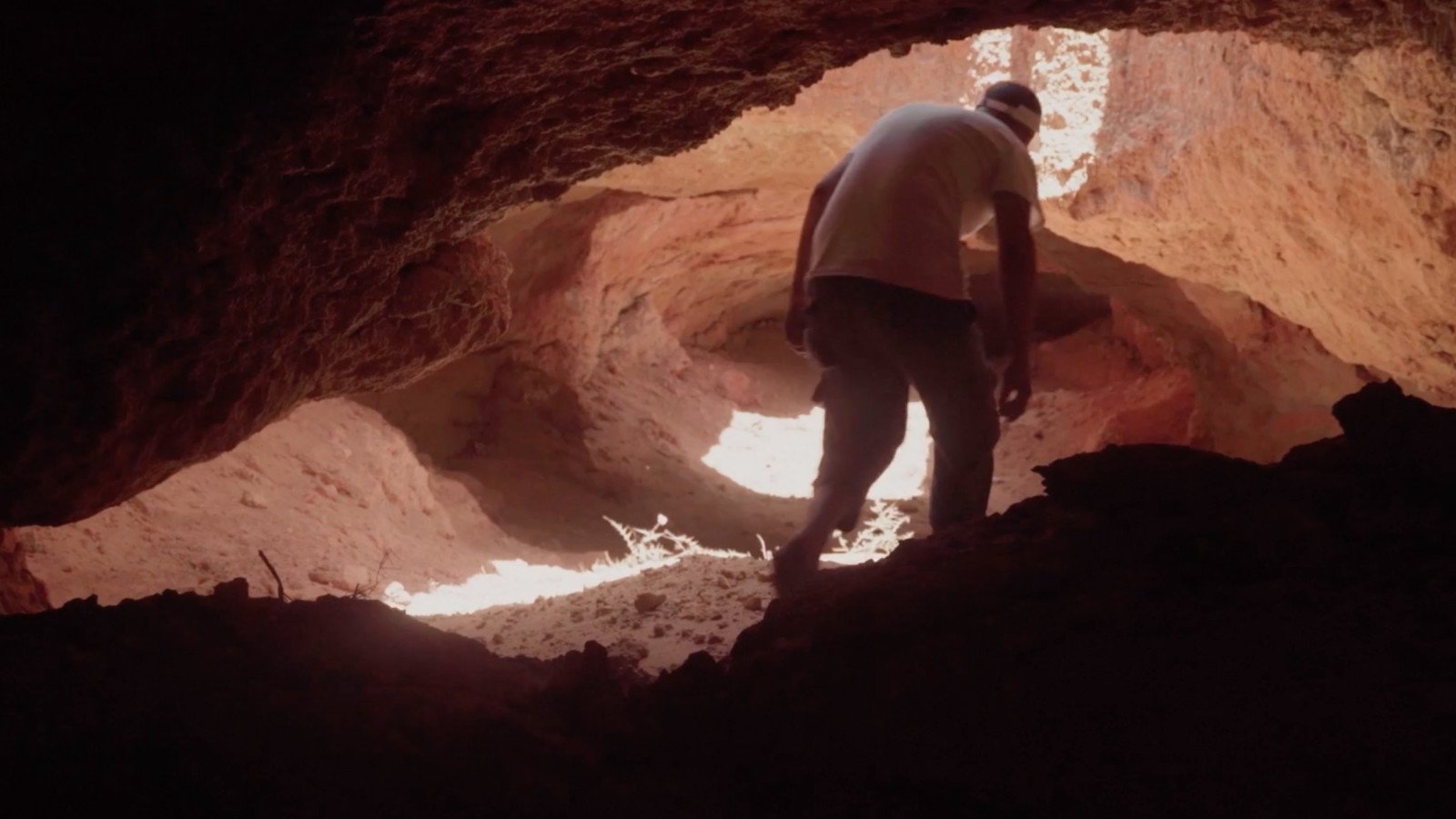
6 - The special feature of khettaras is the existence of several ventilation wells connected to the same underground tunnel, which carries water to the oases. Unfortunately, in many cases, water flow has decreased in recent years, due to the lowering of the water table that is caused both from climate change and from unsustainable water extraction made by ‘modern farmers’.
© Raki Films. From the documentary film series ‘Children of Water’, by J. Penroz & S. Grain.
7 – A lush, cultivated field and date palm grove flourish in the heart of the desert, a verdant testament to traditional water knowledge. The gentle, gravity-fed flow produces water suitable for all human needs, sustaining a sophisticated agroecological system where perennial palm trees and seasonal crops thrive together in the same plot.
© Raki Films. From the documentary film series ‘Children of Water’, by J. Penroz & S. Grain.
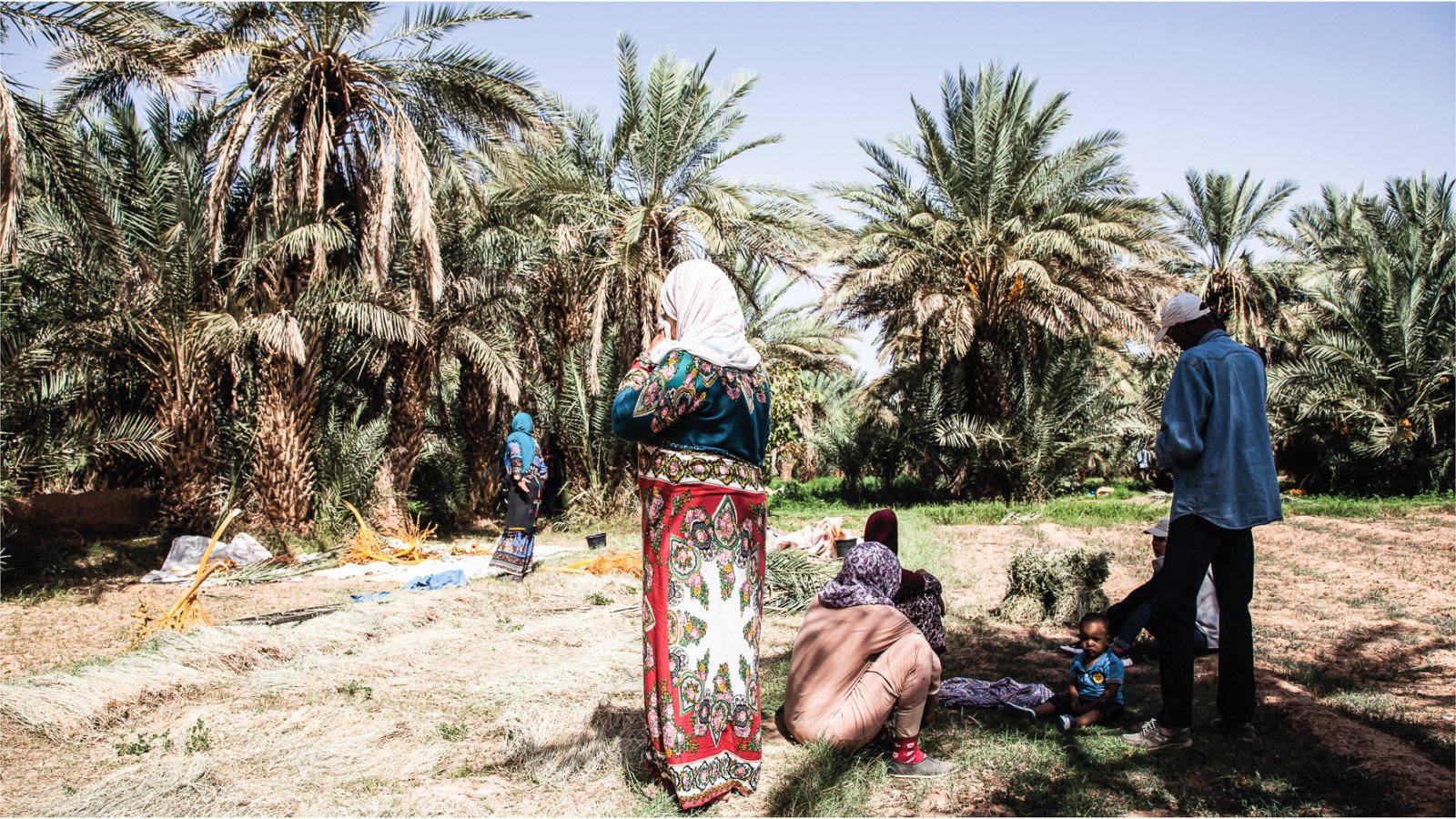
8 – Local communities in the oases are very attached to their ancestral lands and refuse to abandon their villages, as long as the khettara systems continue to provide water. Without rejecting the benefits of progress, they want to improve their living conditions while preserving their ancestral traditions, for example by combining khettara systems with drop-by-drop irrigation.
© Raki Films. From the documentary film series ‘Children of Water’, by J. Penroz & S. Grain.