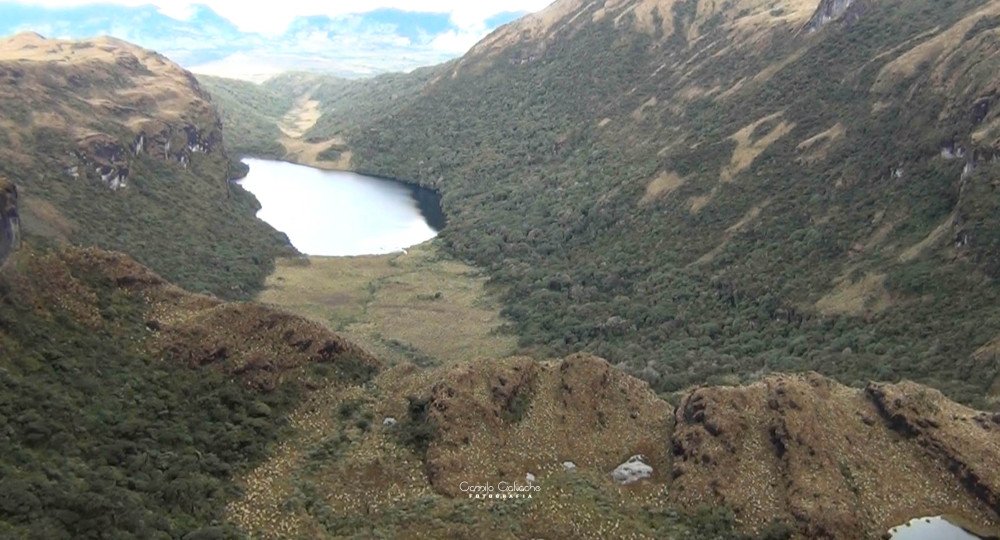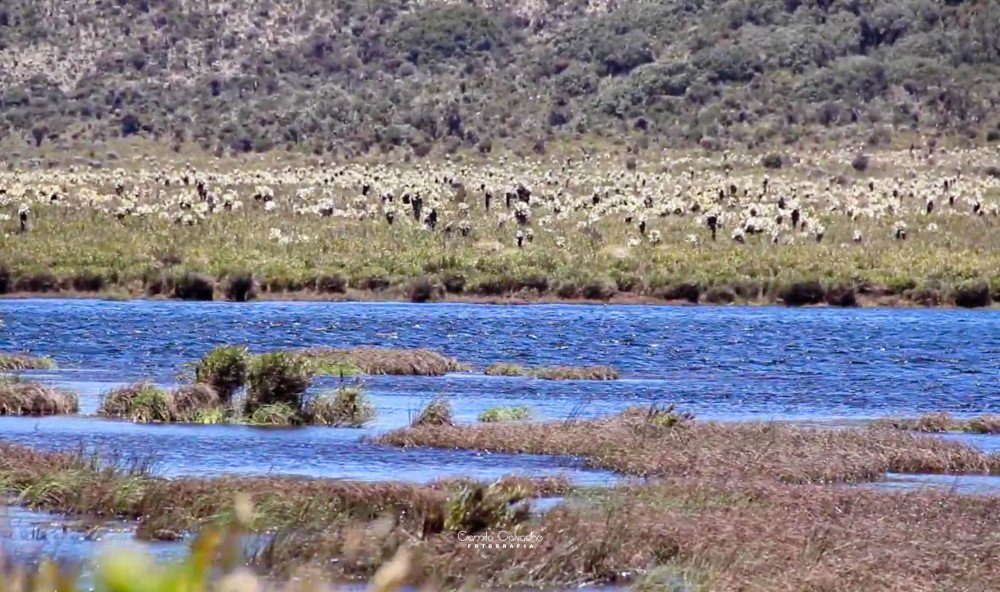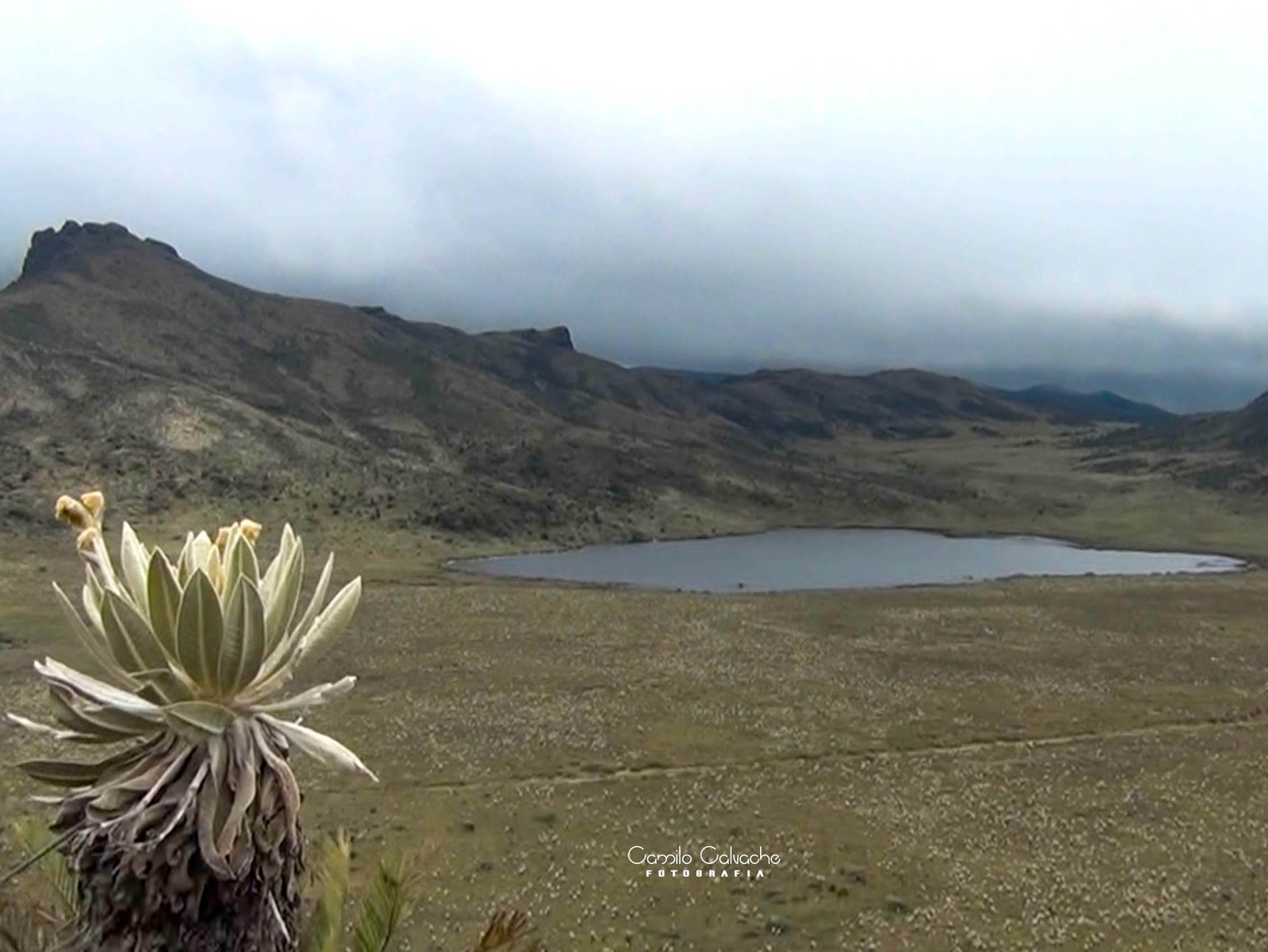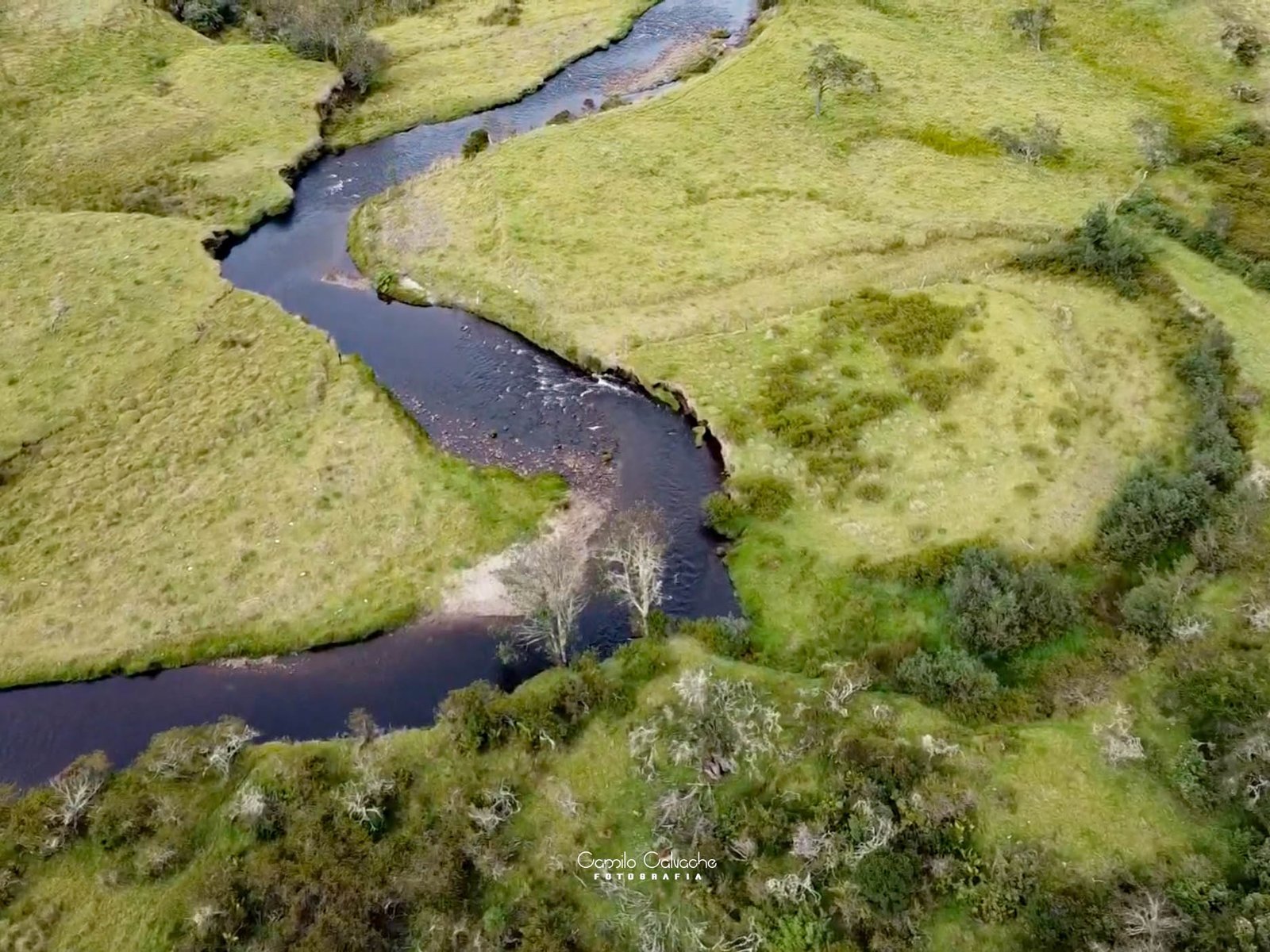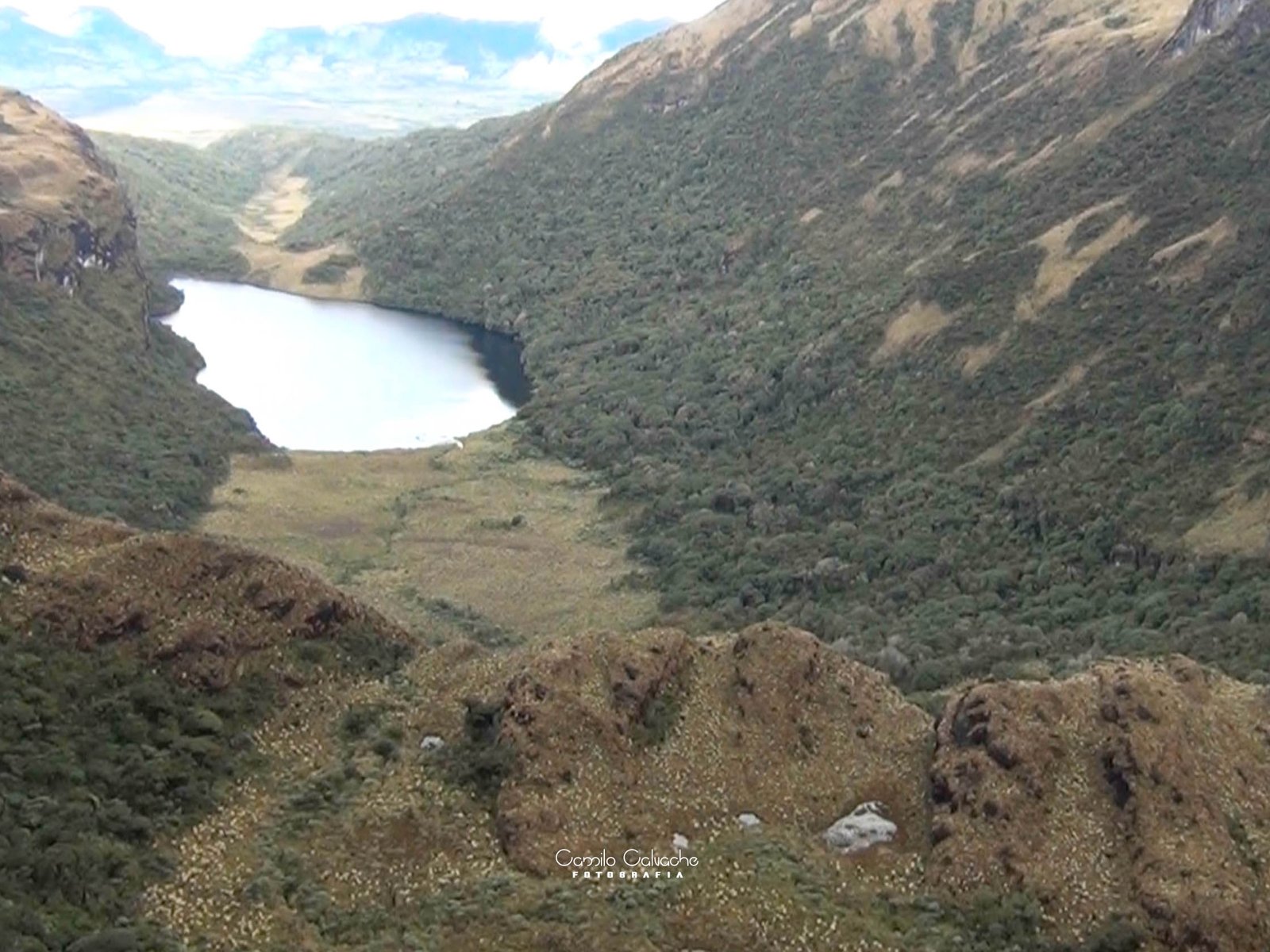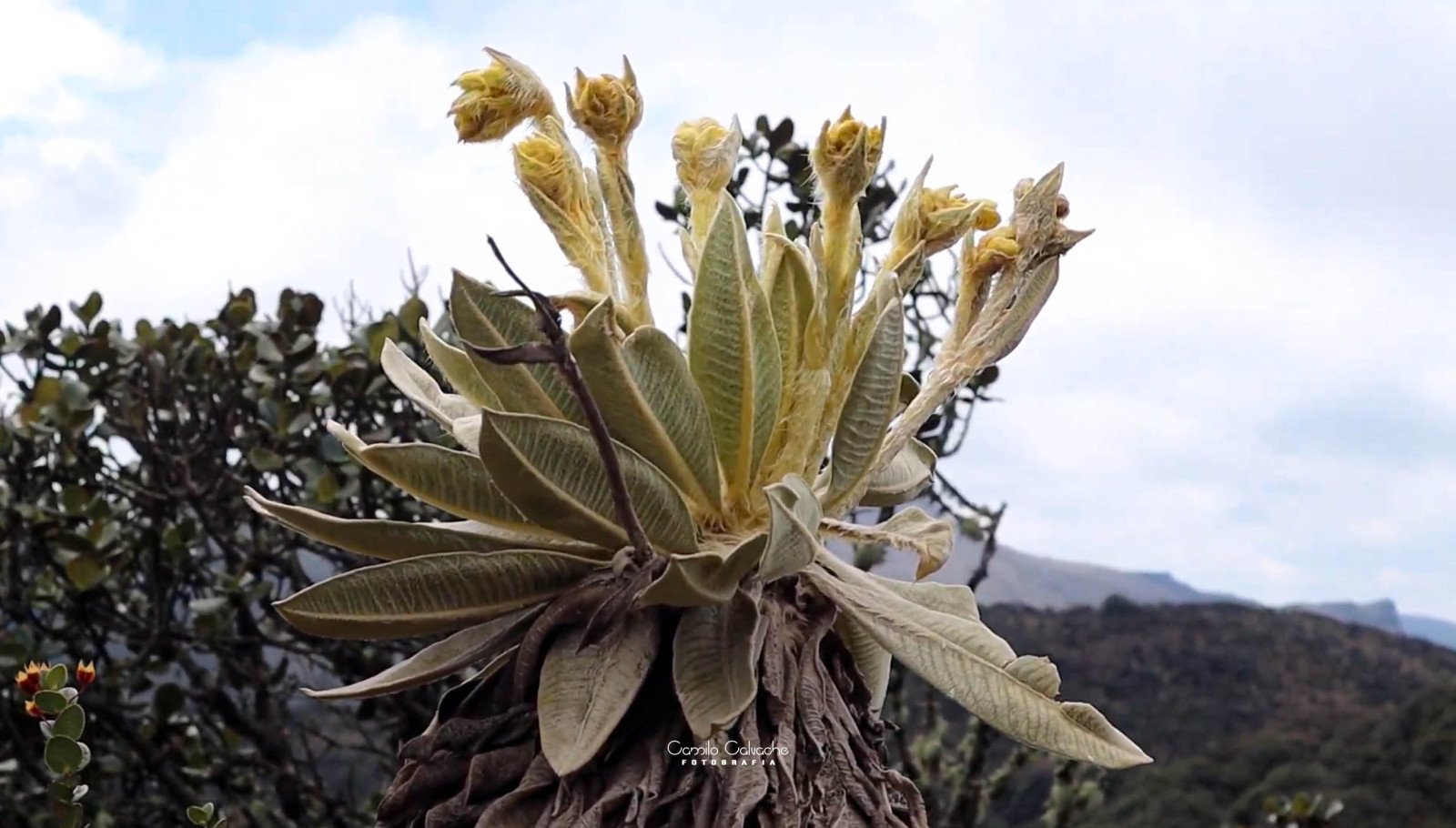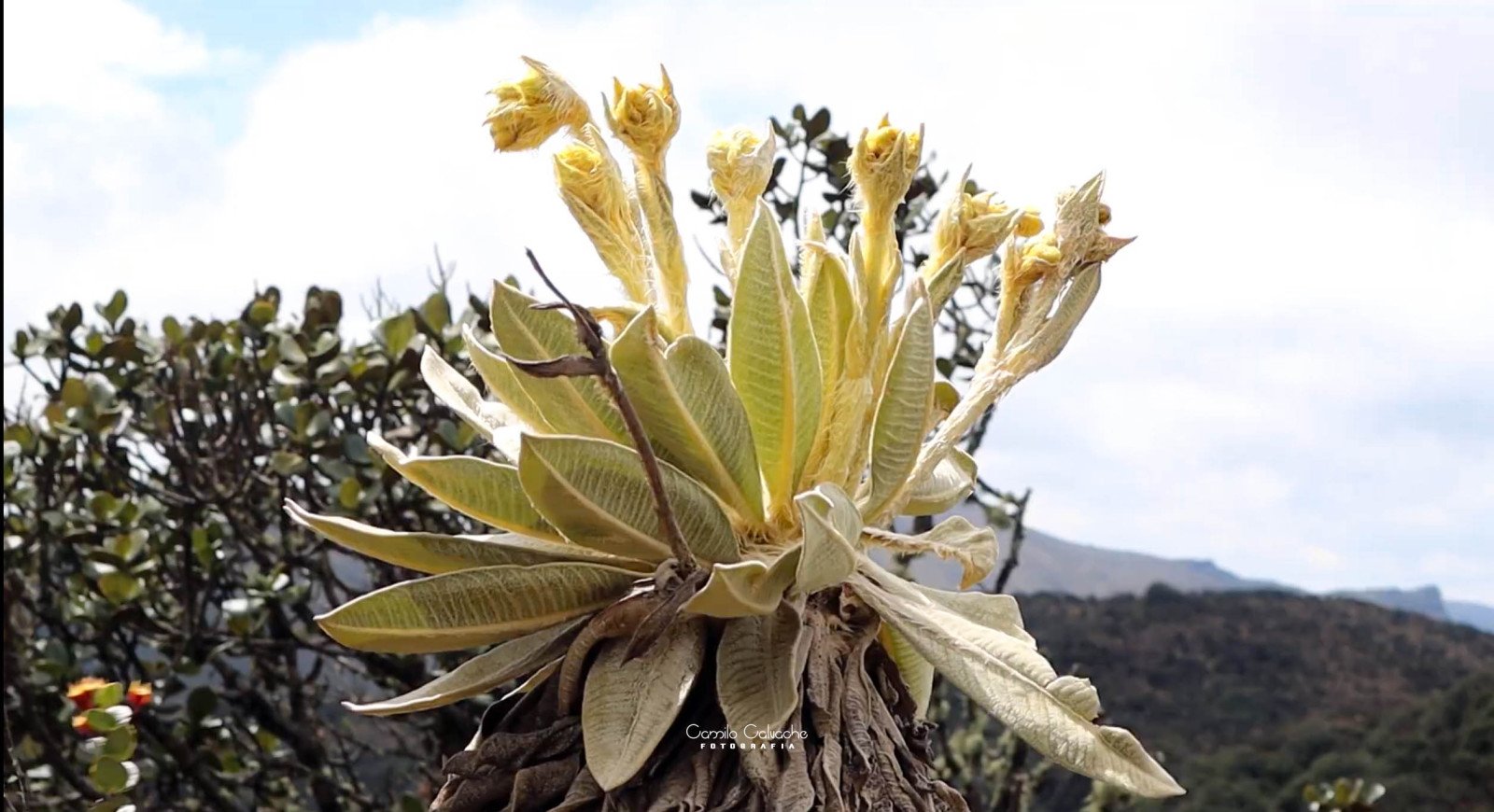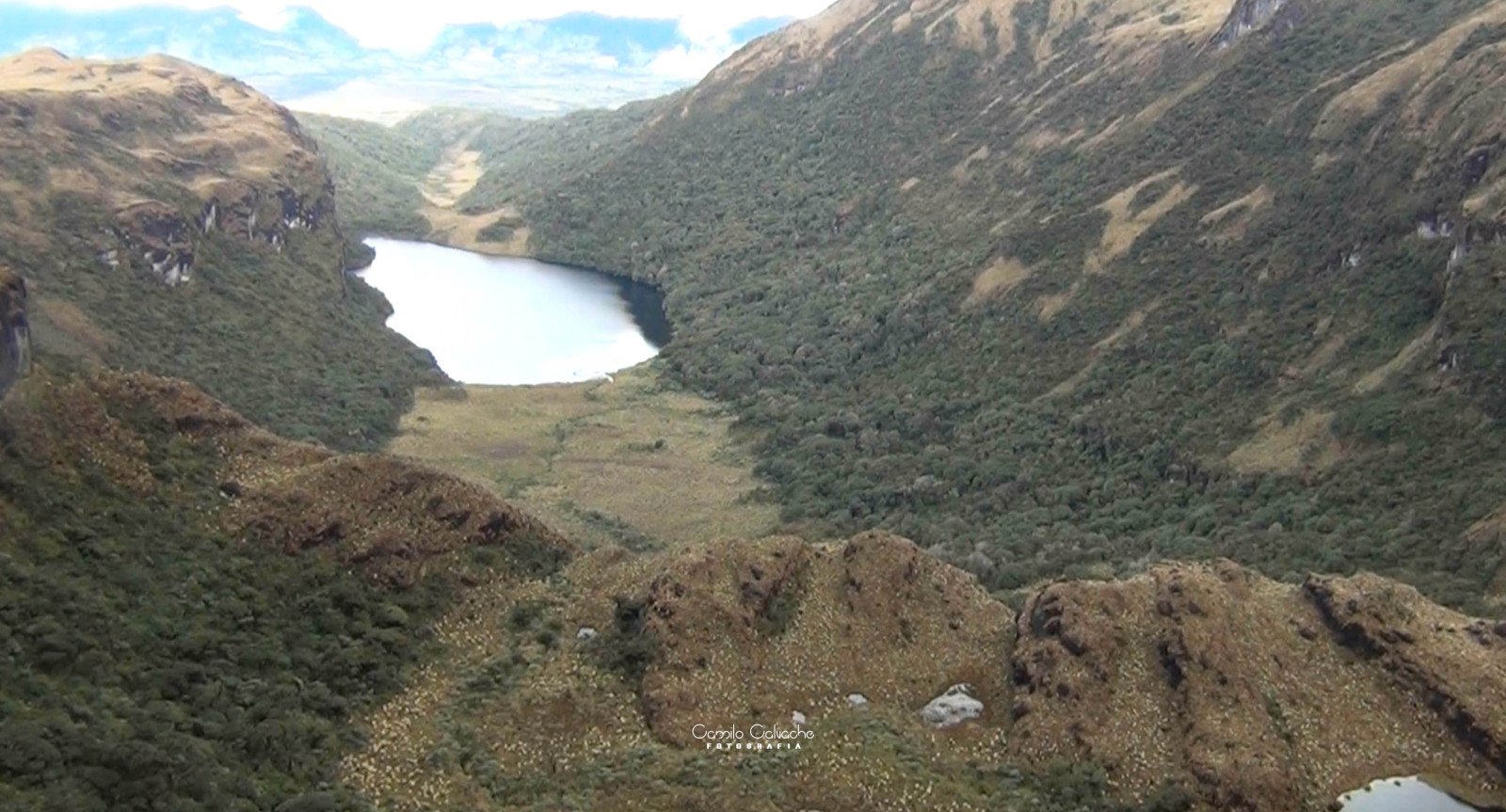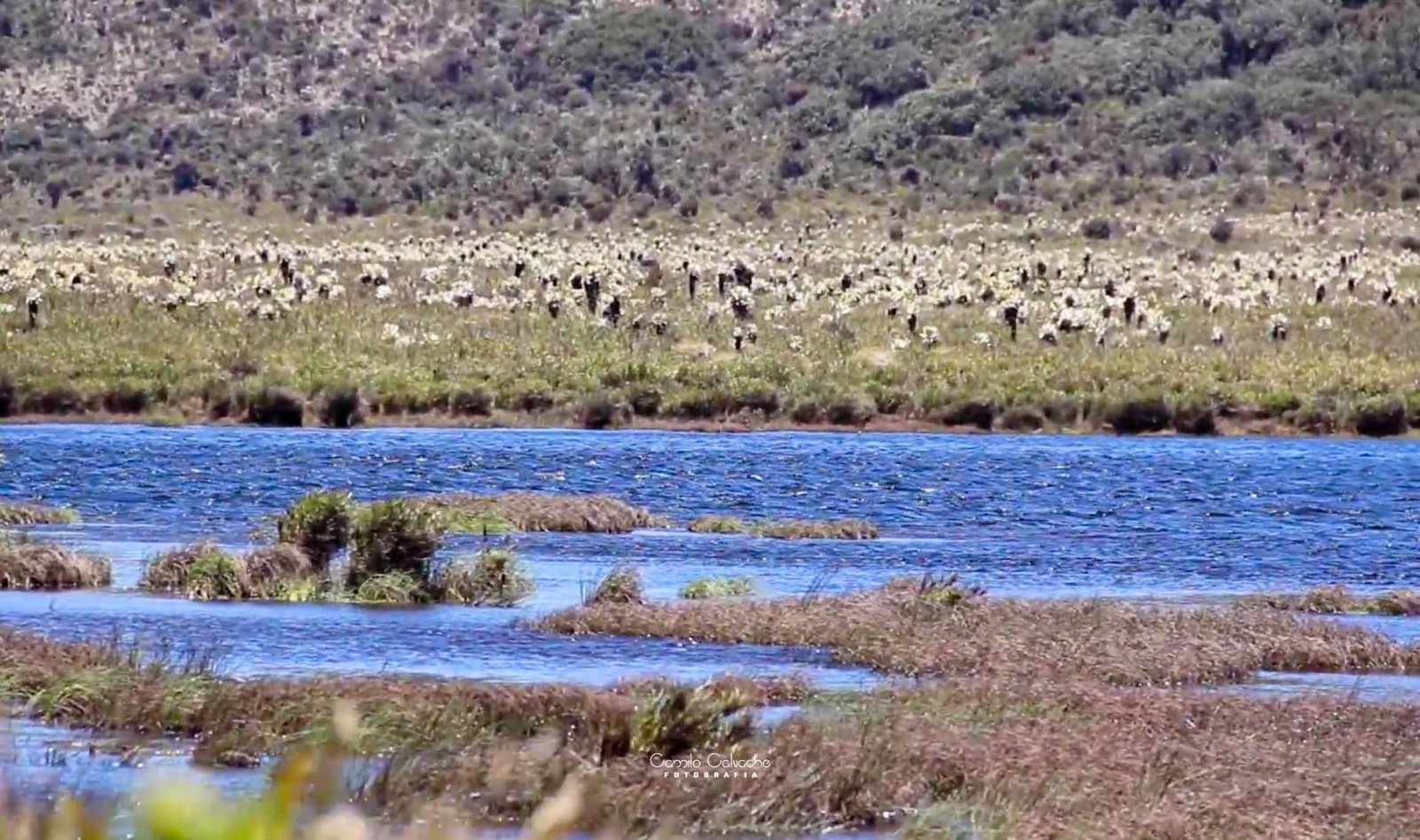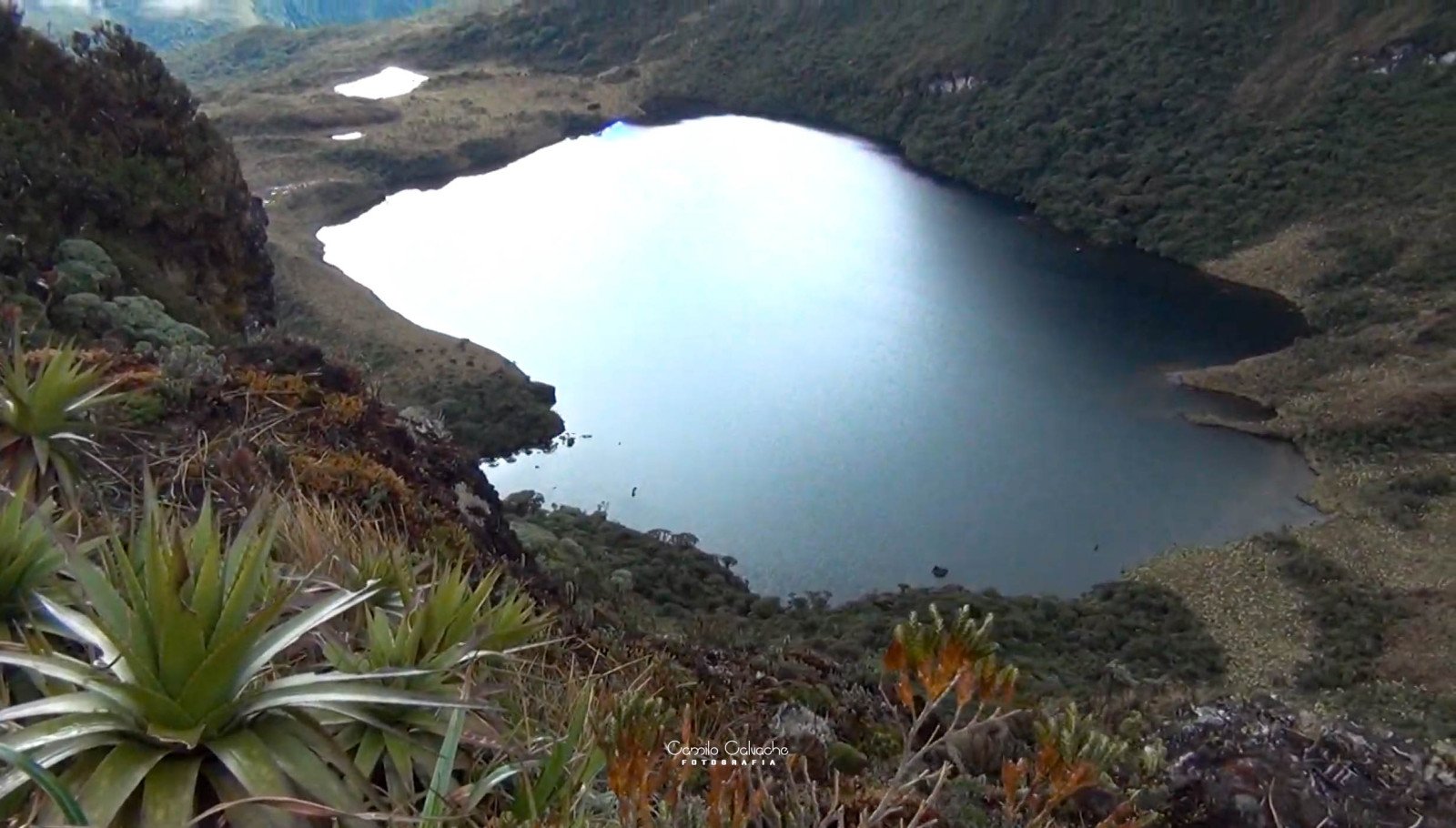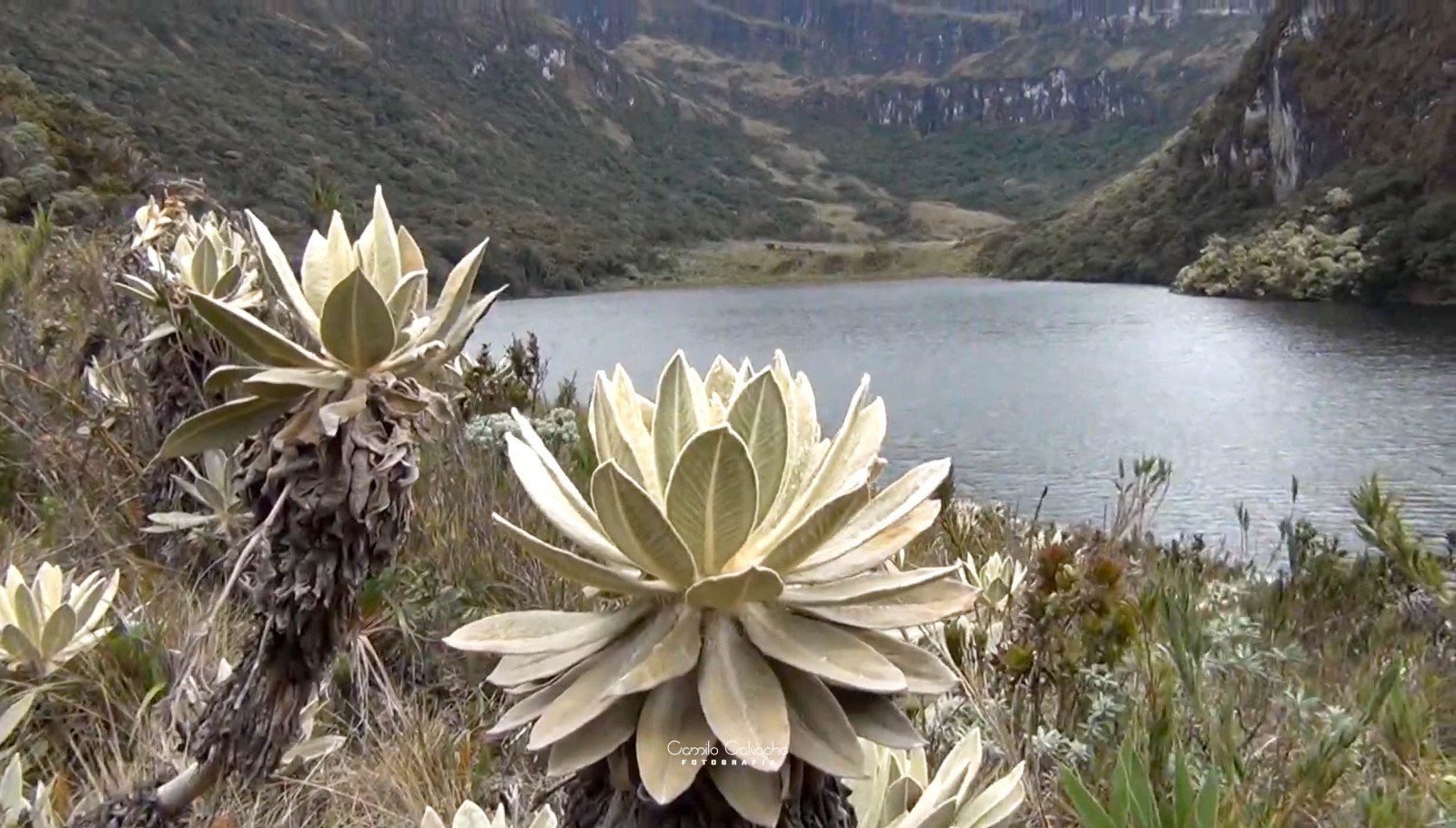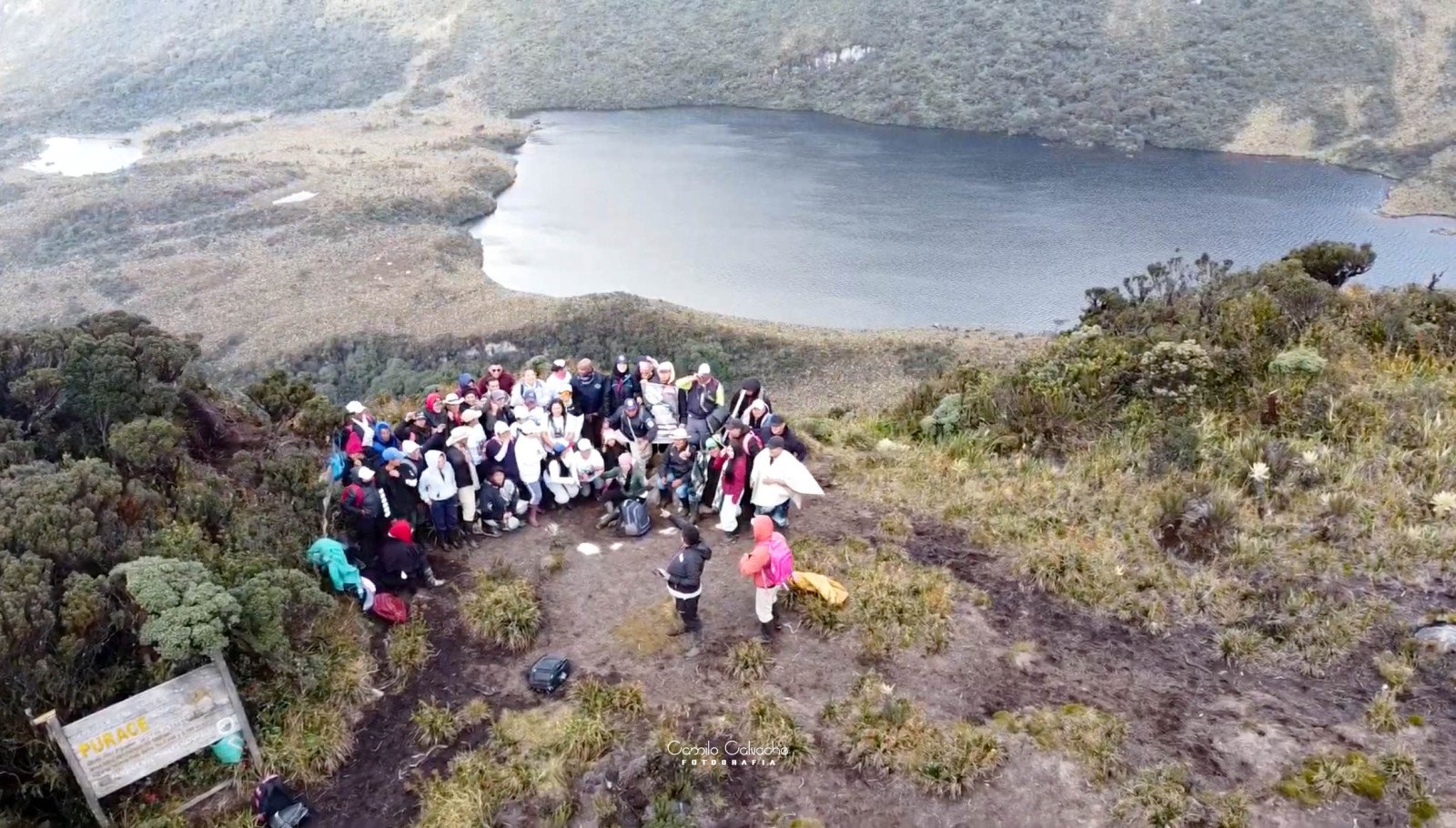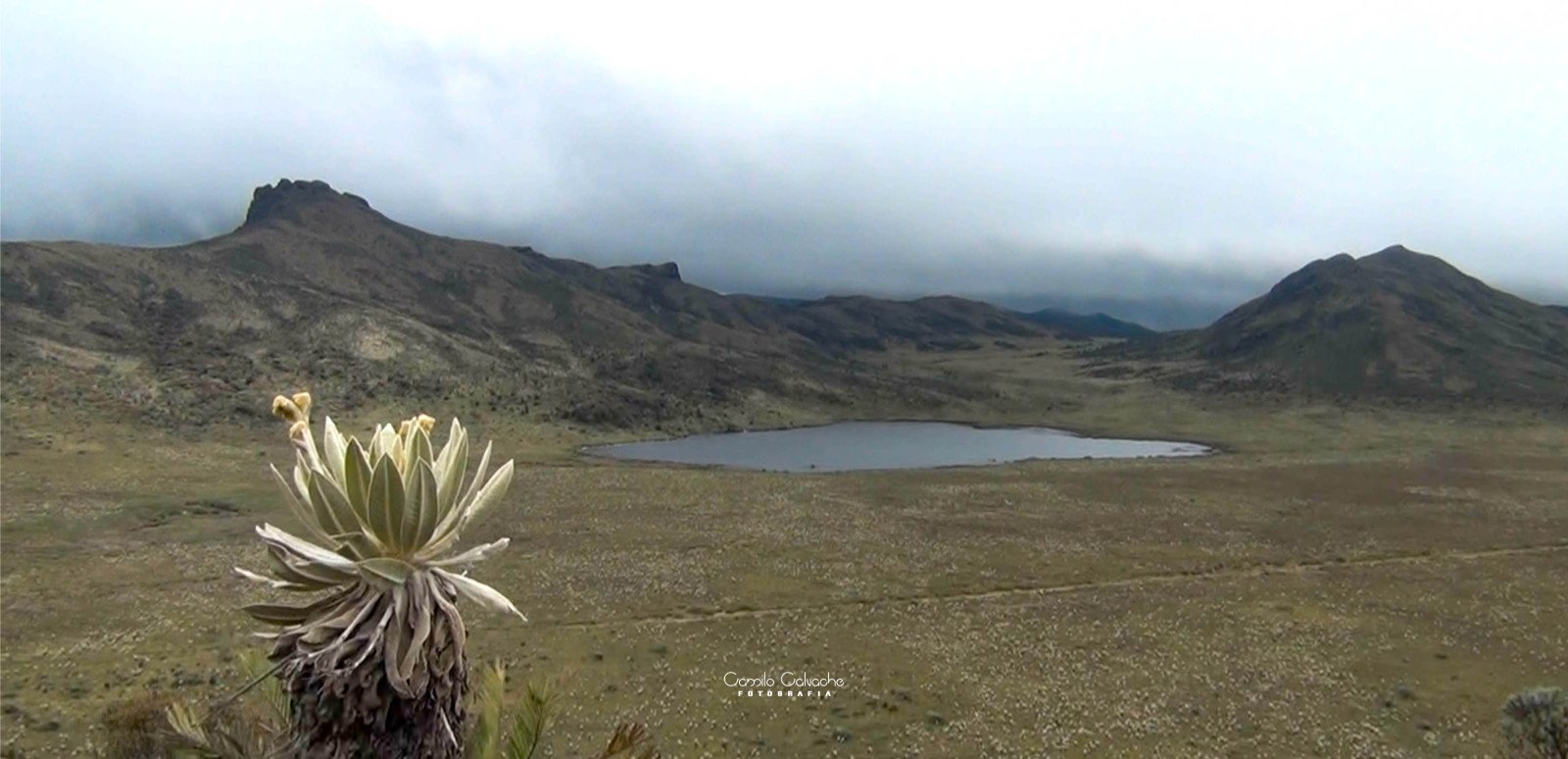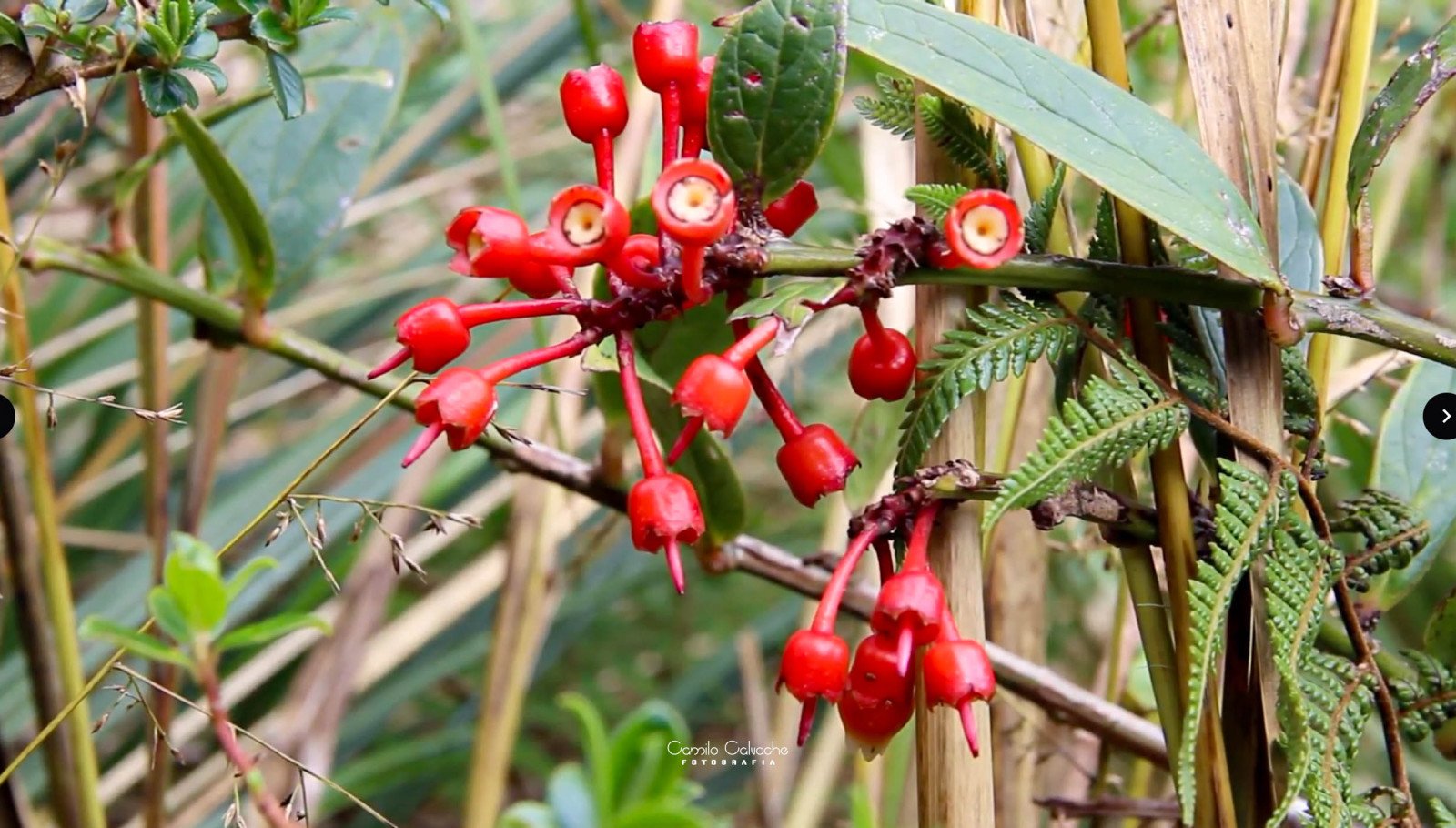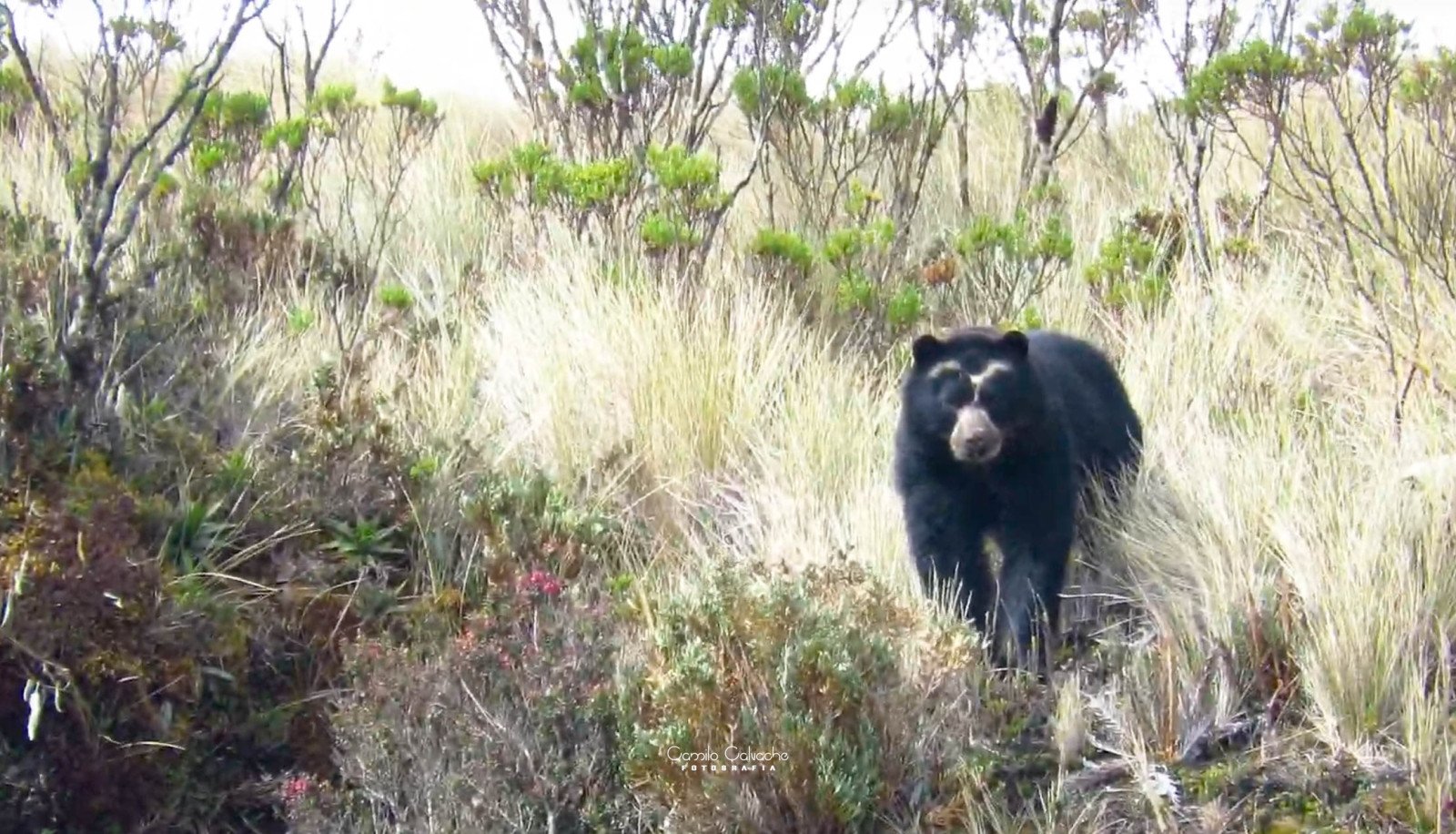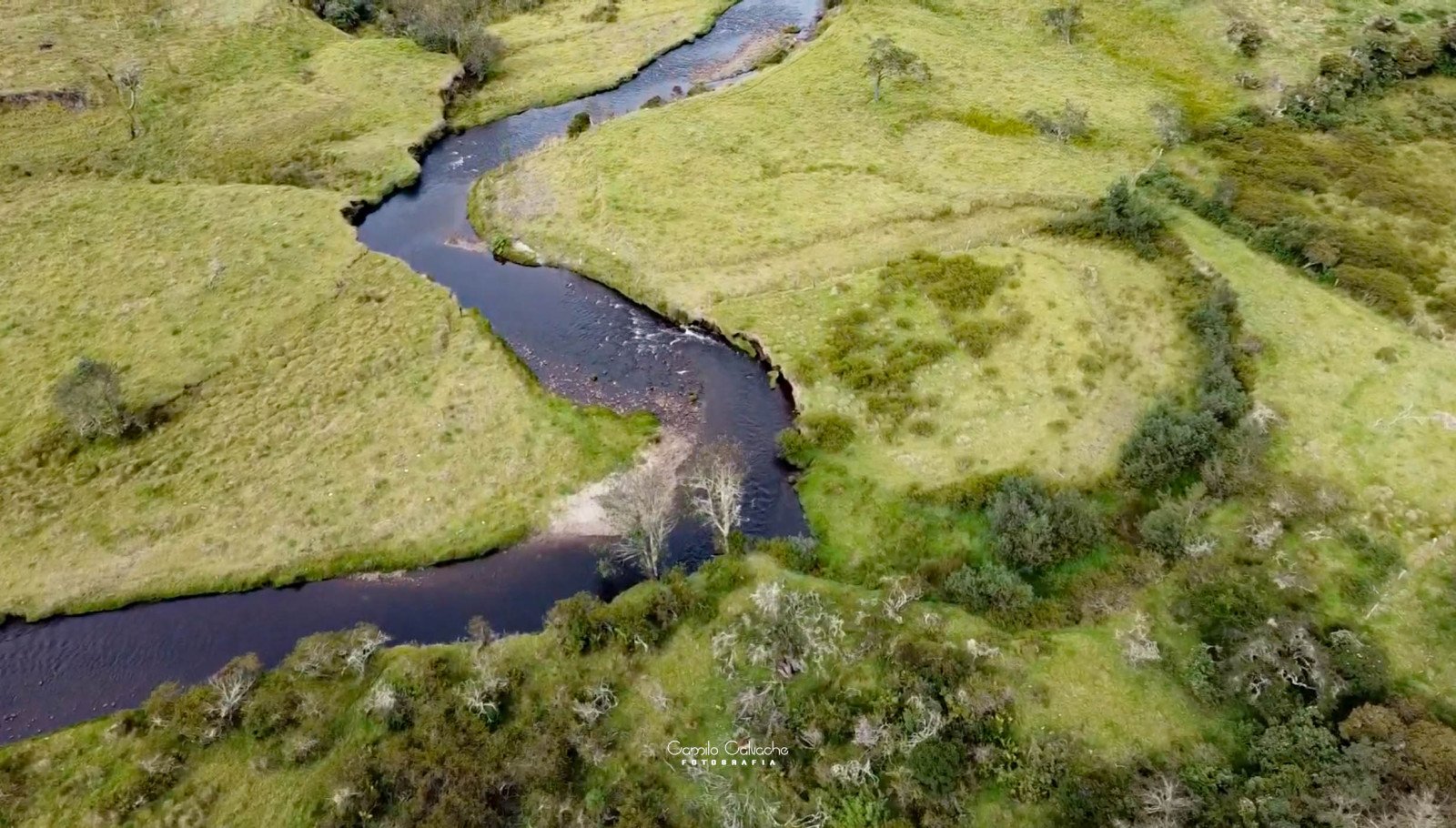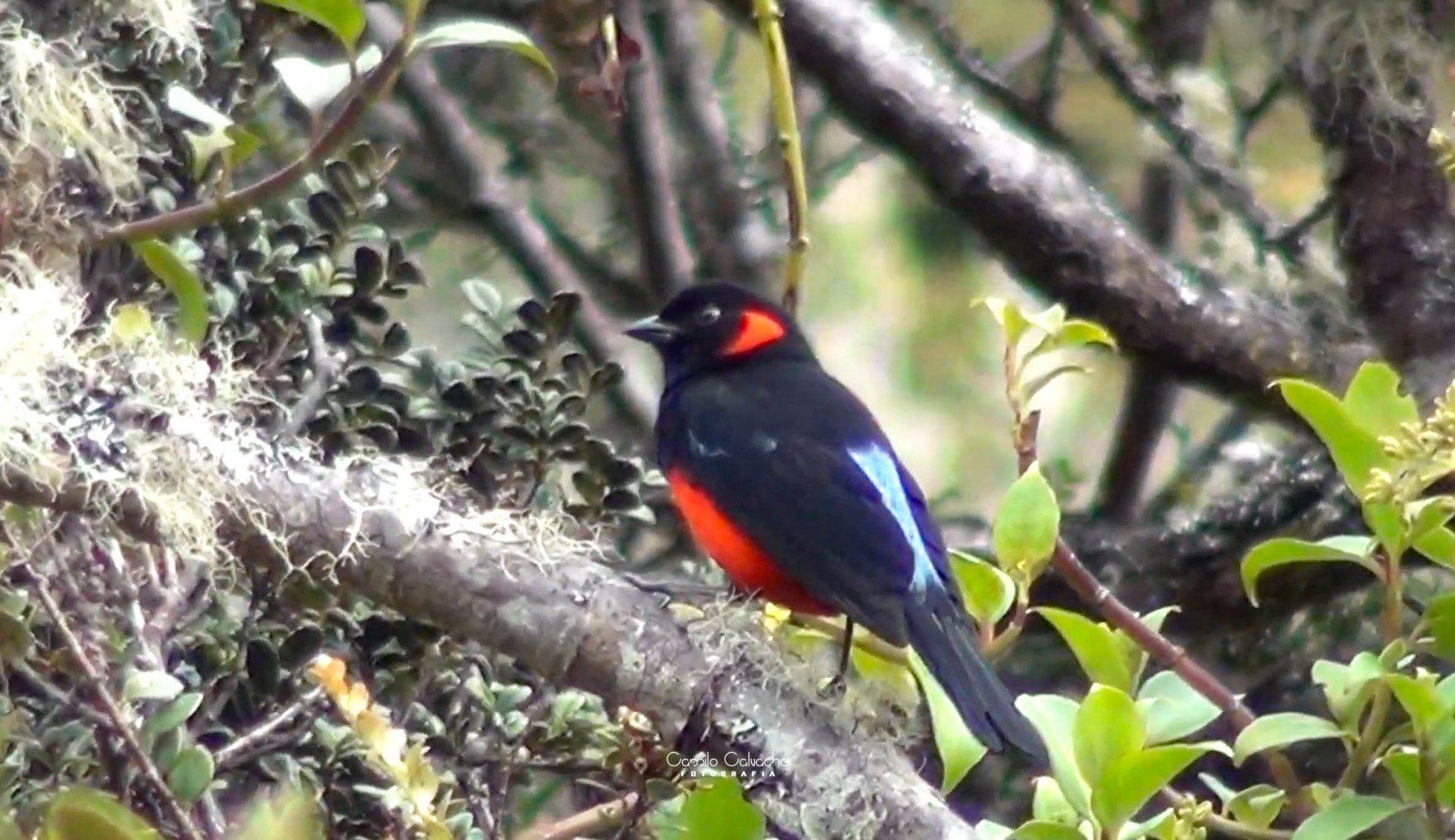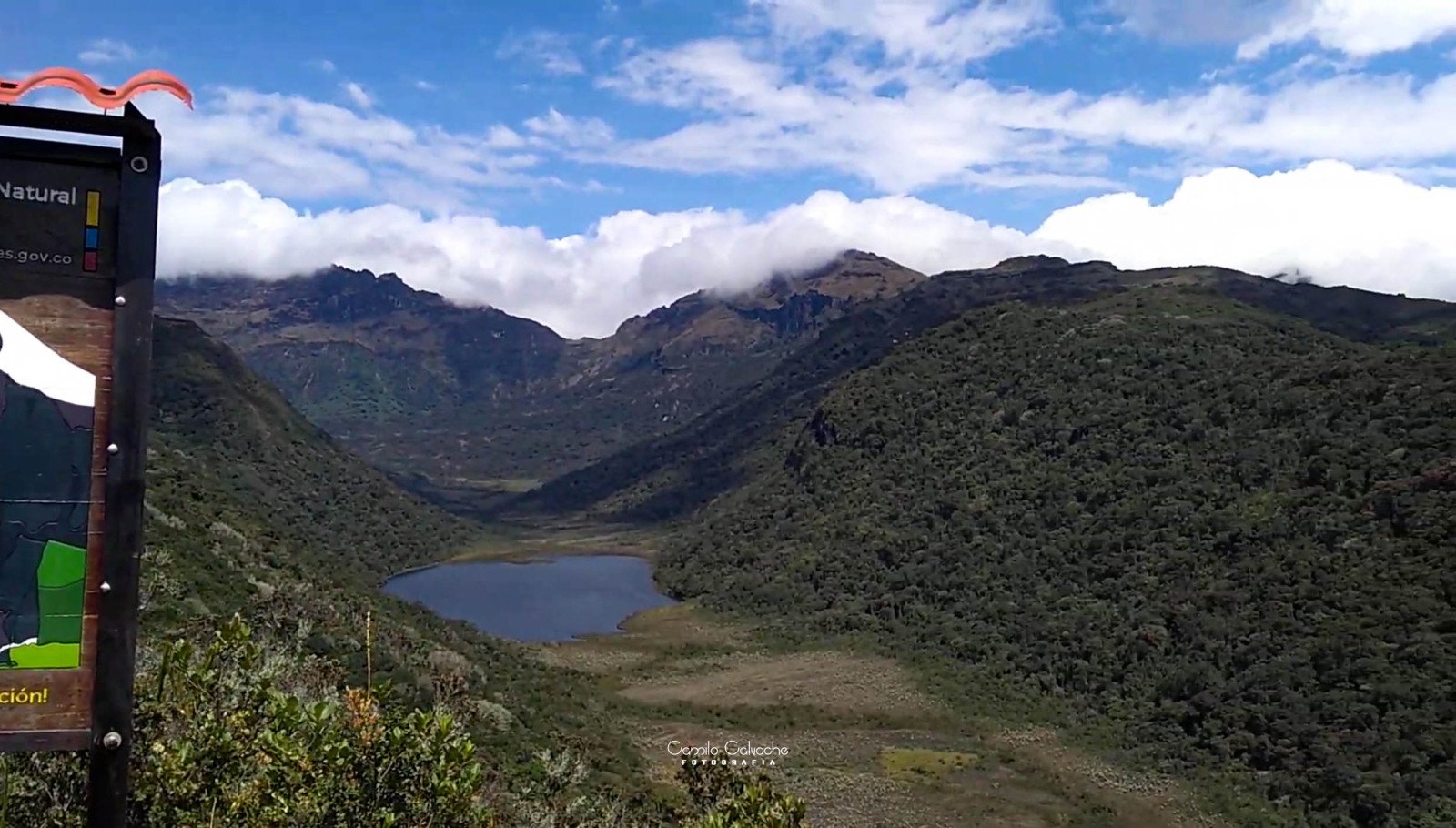
The Living Museum pays tribute to the water heritage of the Colombian Massif, the fluvial star from which 70% of Colombia’s freshwater is born and one of its most life-abundant territories. Through ancestral wisdom, sacred springs, ancient water-harvesting traditions and community-led stewardship, it celebrates water as the genesis of life, culture and identity.
The Living Museum of Water and Biodiversity of the Colombian Massif is located in the headwaters region shared by the departments of Cauca, Huila and Nariño, where major river basins (Magdalena, Cauca, Caquetá, Putumayo and Patía) originate and where almost 70% of Colombia’s freshwater is generated.
Its main goal is to promote integrated water resources management (IWRM) in the Cauca region by linking hydrology, biodiversity, territorial planning and local knowledge systems.
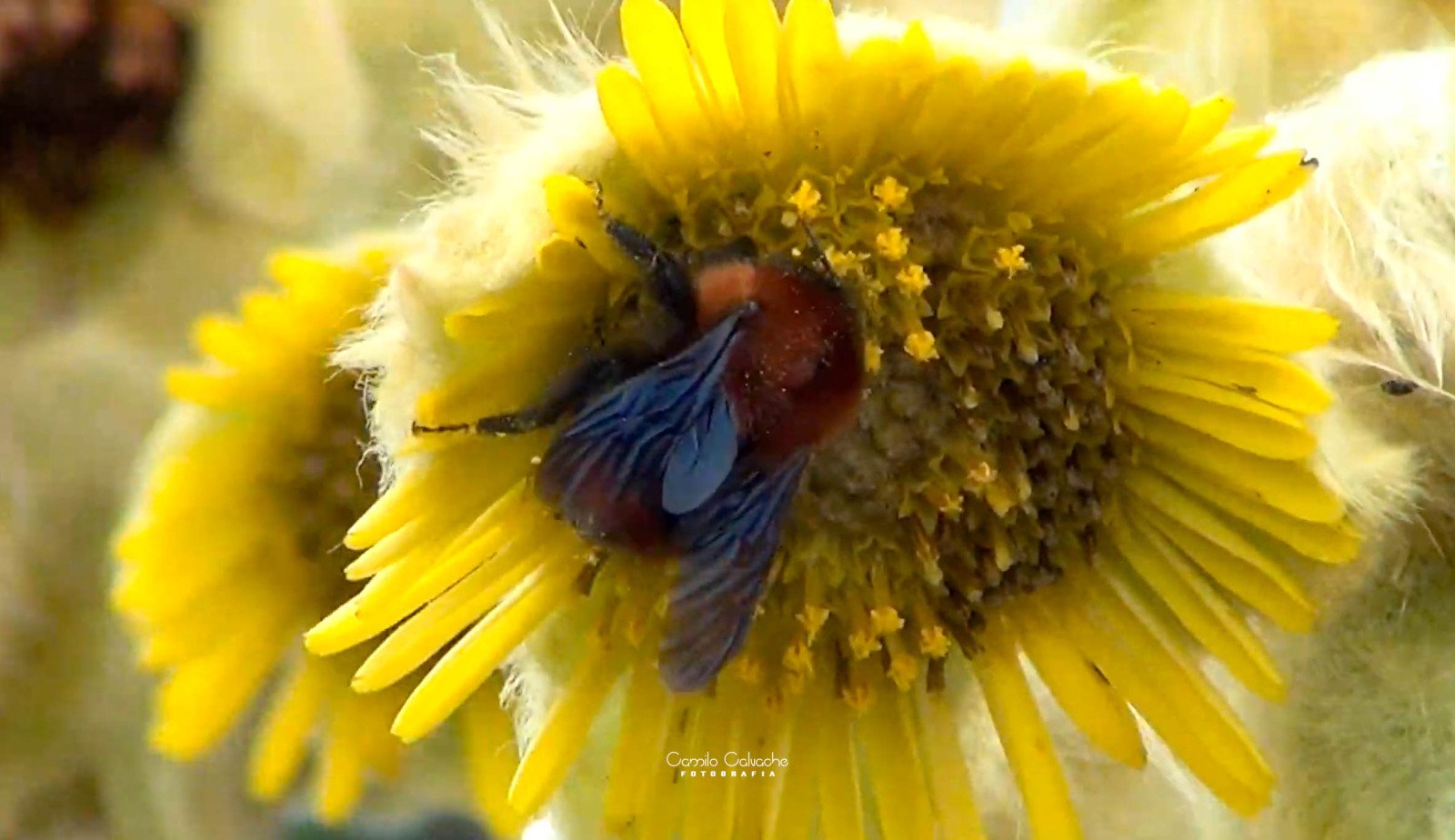
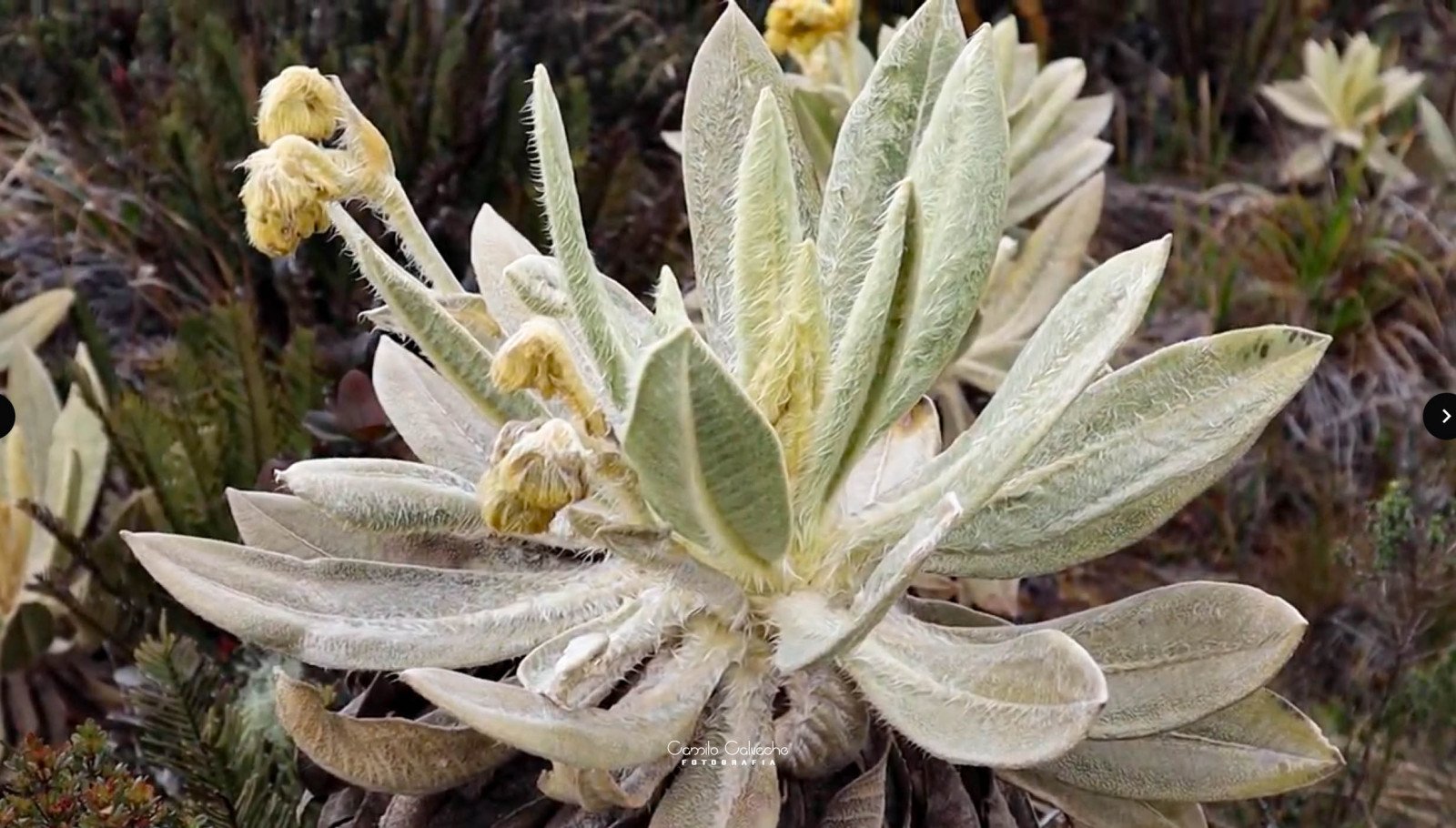
The museum aims to enhance the ecological integrity and resilience of freshwater ecosystems through three pillars: (1) protection and ecological restoration of strategic ecosystems (páramos, wetlands, high Andean forests and springs), (2) promotion of sustainable land- and water-use practices, and (3) conservation and valorisation of surface and groundwater resources.
The permanent collection is conceived as a “living” in situ collection structured around thematic axes: origin and dynamics of the fluvial star of the Colombian Massif; freshwater biodiversity and ecosystem services; ancestral hydrotechnologies and traditional water harvesting; the cultural landscape of the Camino Real and Puracé National Natural Park. It combines geo-referenced sites, documentary and audiovisual archives, cartographic materials, community-generated records and interpretive modules on hydro-social systems and governance.
This Living Museum has been promoted by the UNESCO Chair in Sustainability at the Universitat Politècnica de Catalunya (UPC), which has successfully articulated the efforts of WAMUNET–IHP UNESCO, the Government of Cauca, the Regional Autonomous Corporation of Cauca (CRC) and the Municipality of San Sebastián–Cauca.
By integrating scientific, policy and community perspectives, the Living Museum functions as a platform for environmental education, knowledge co-production and evidence-based decision-making to support the long-term protection of the water heritage of the Colombian Massif.