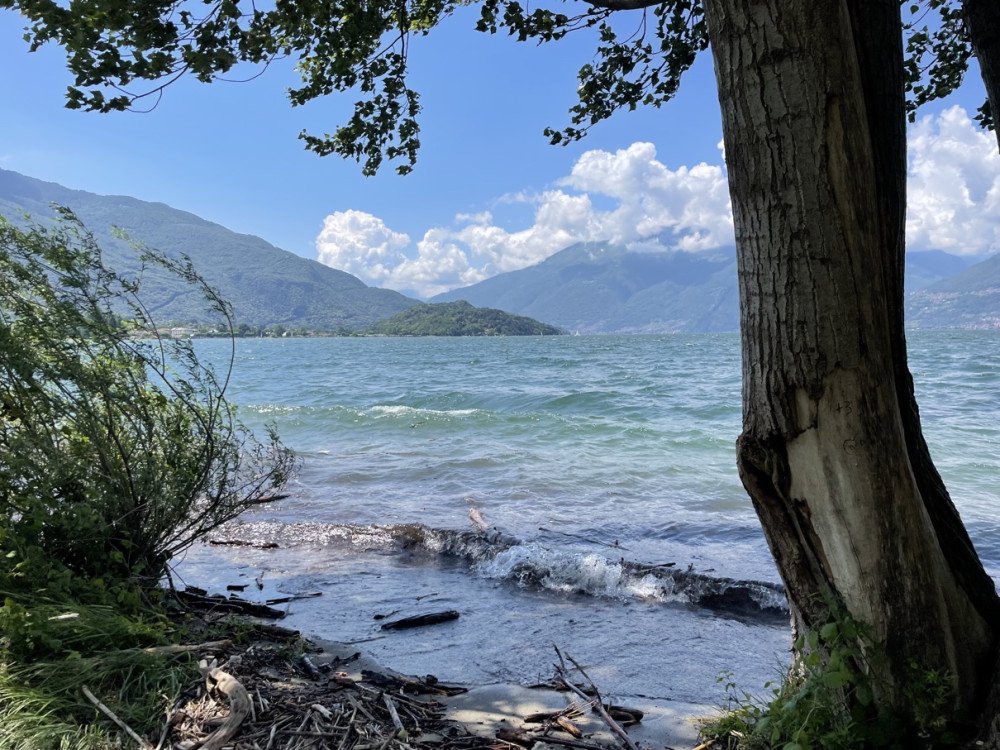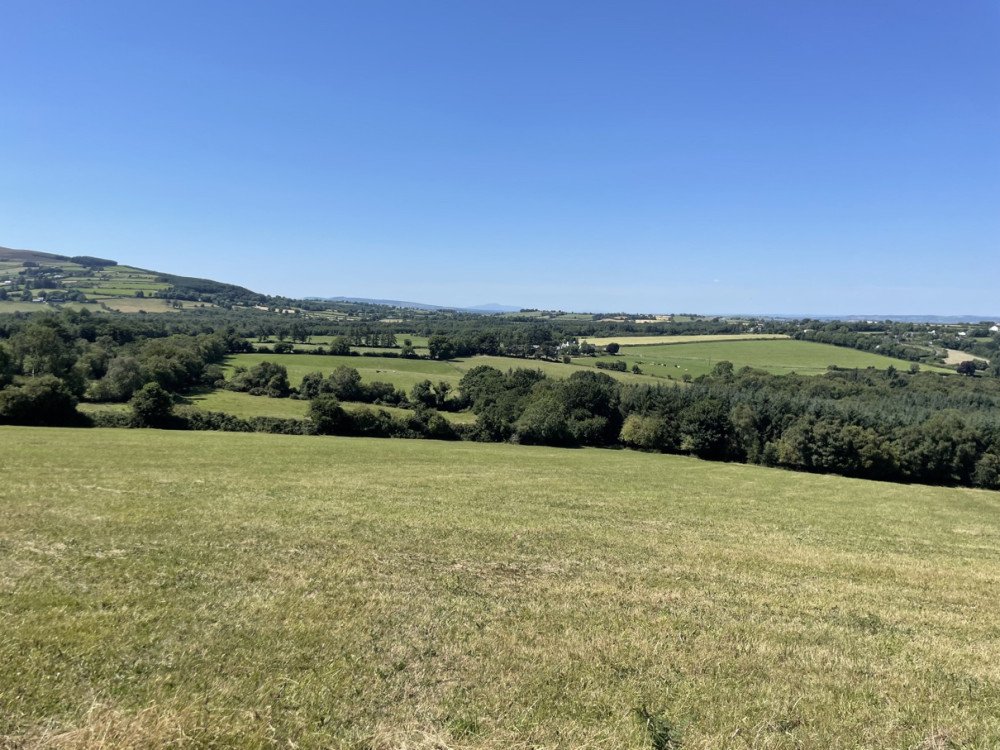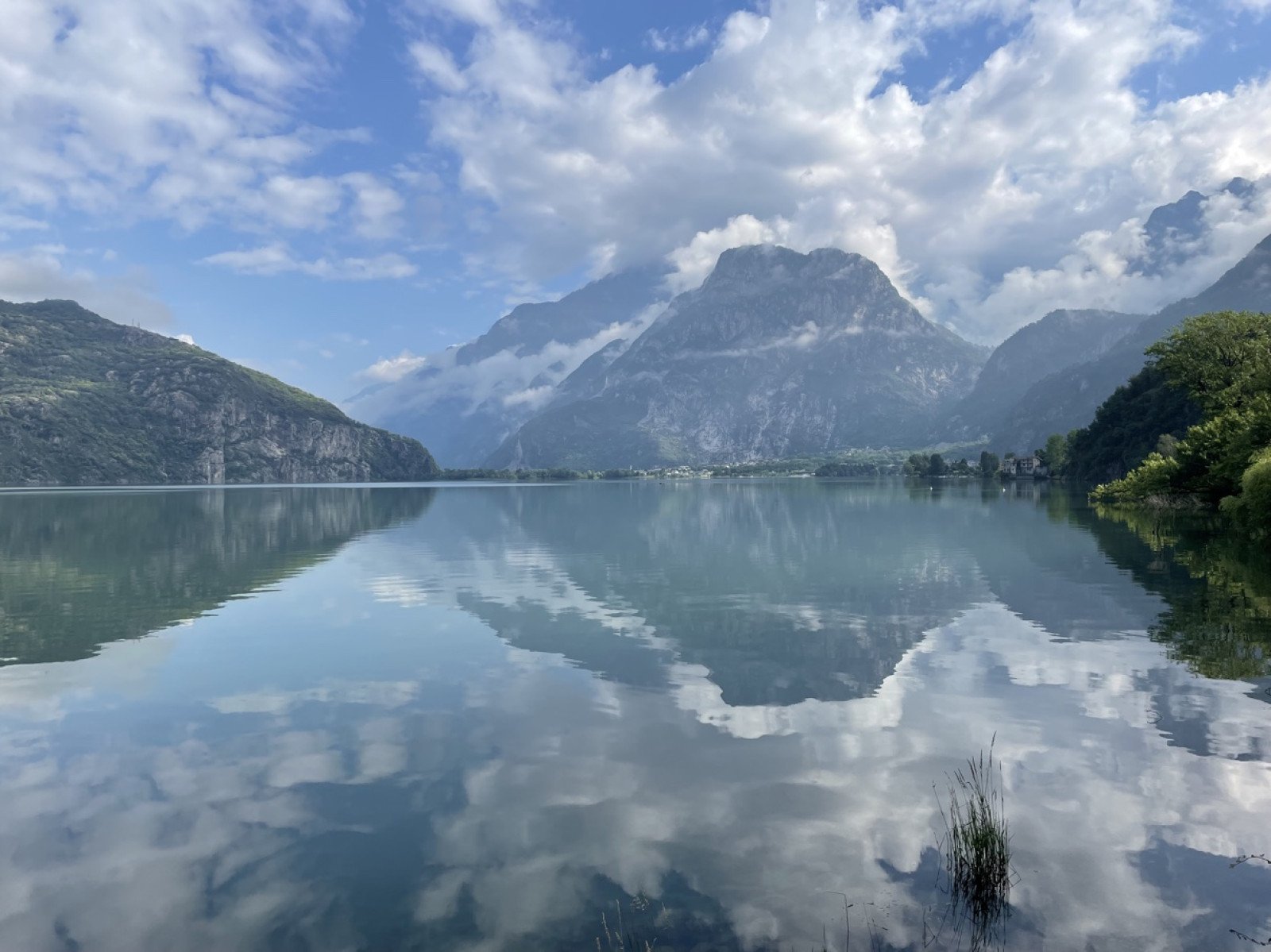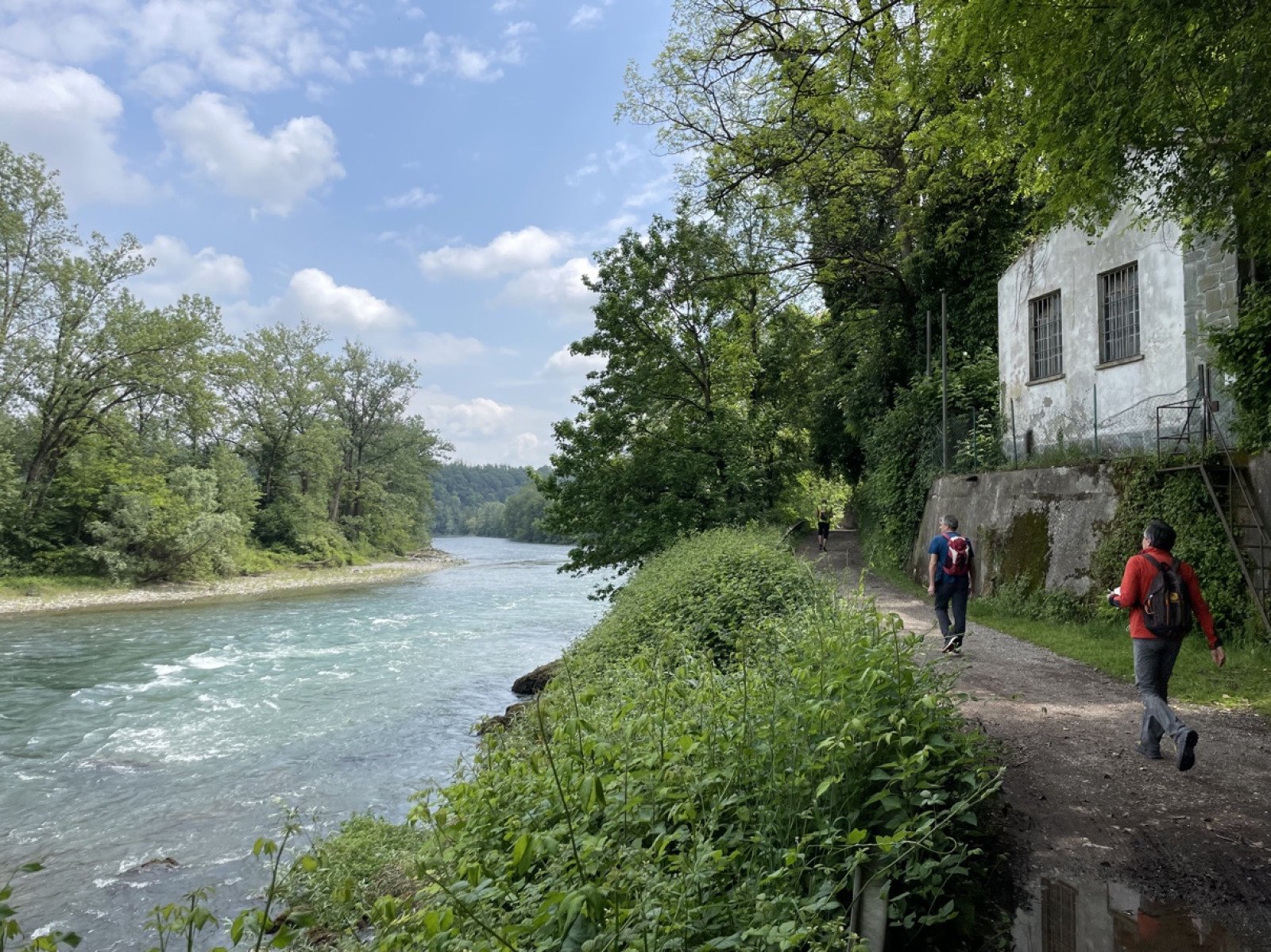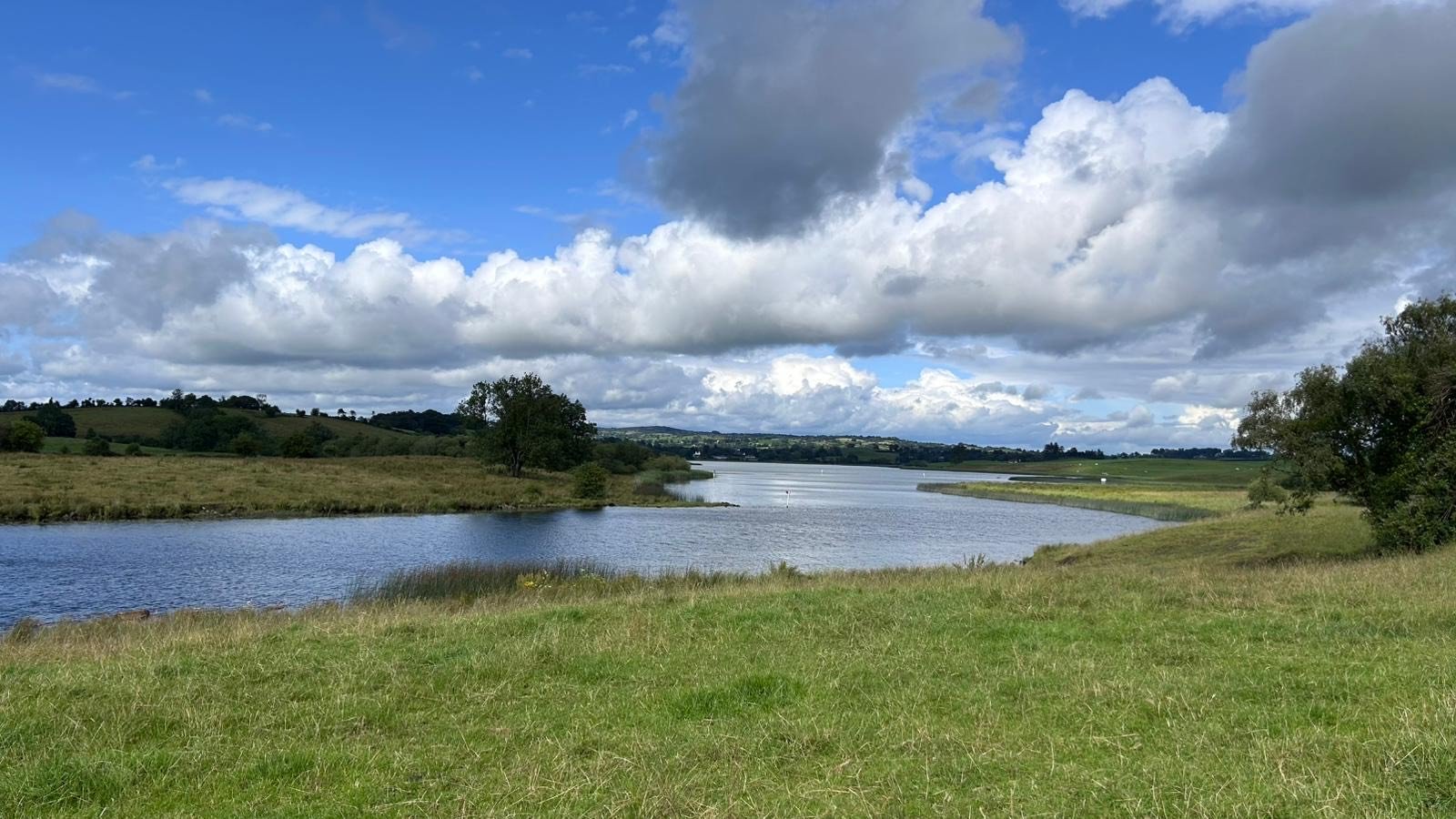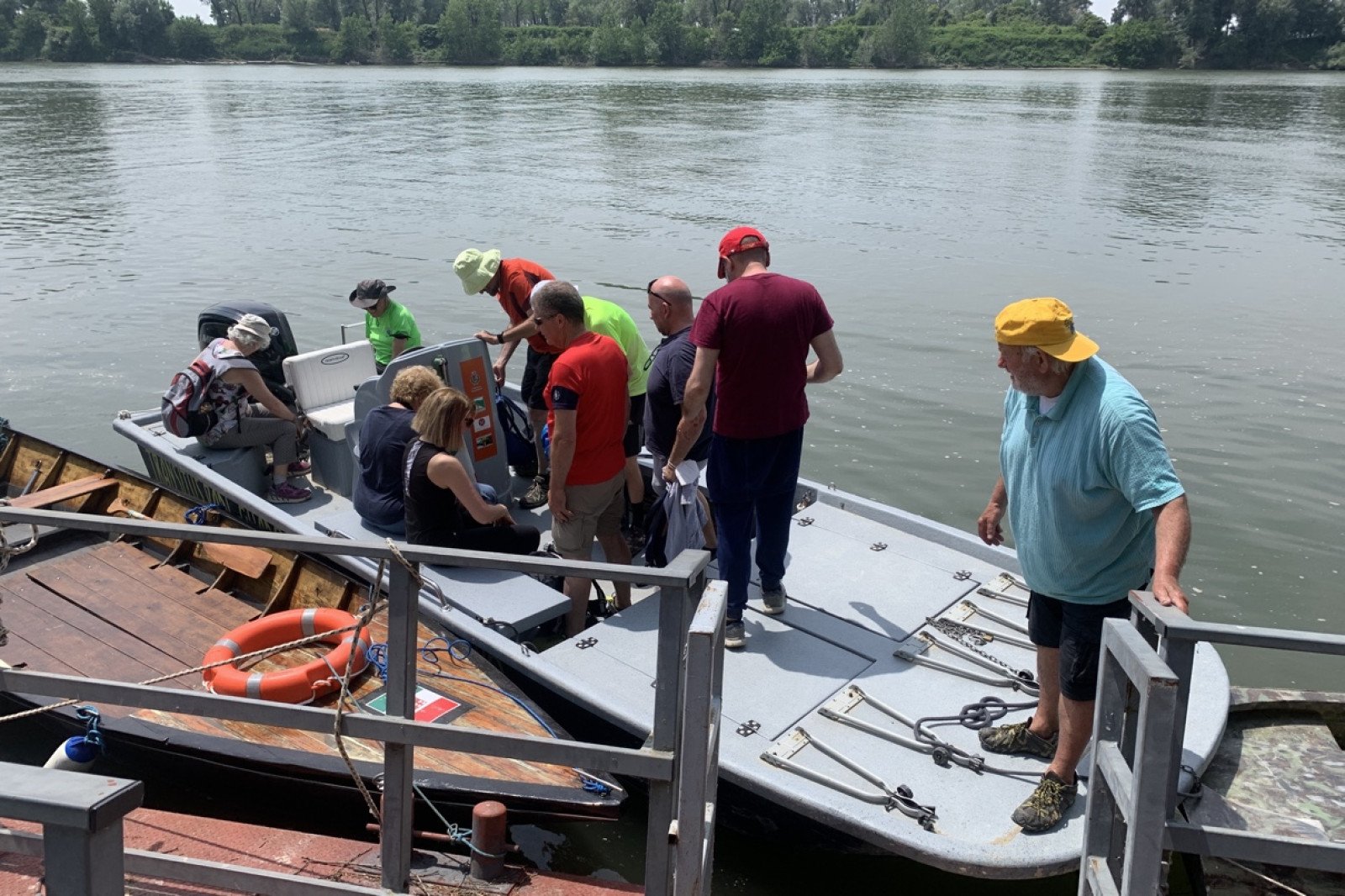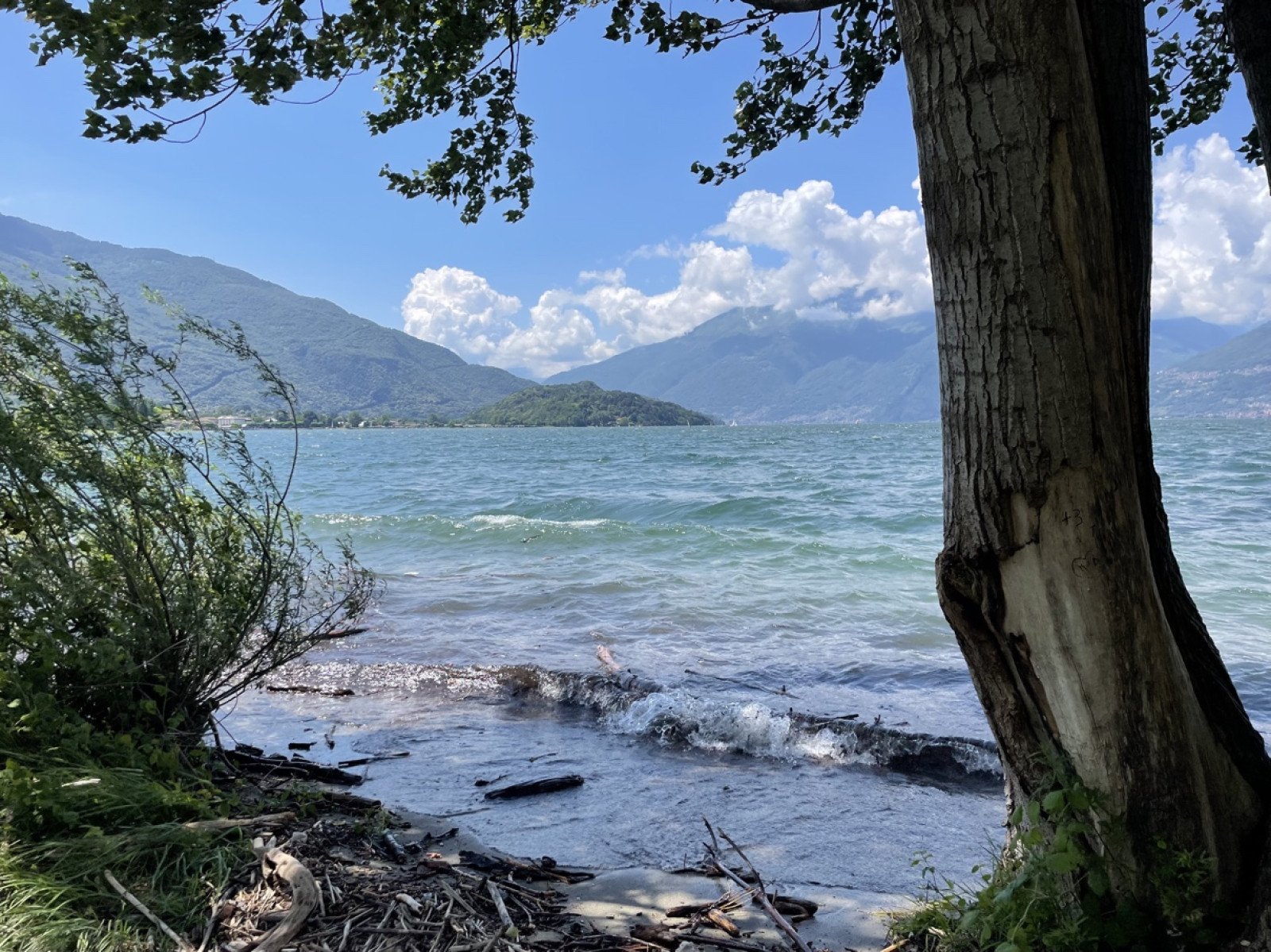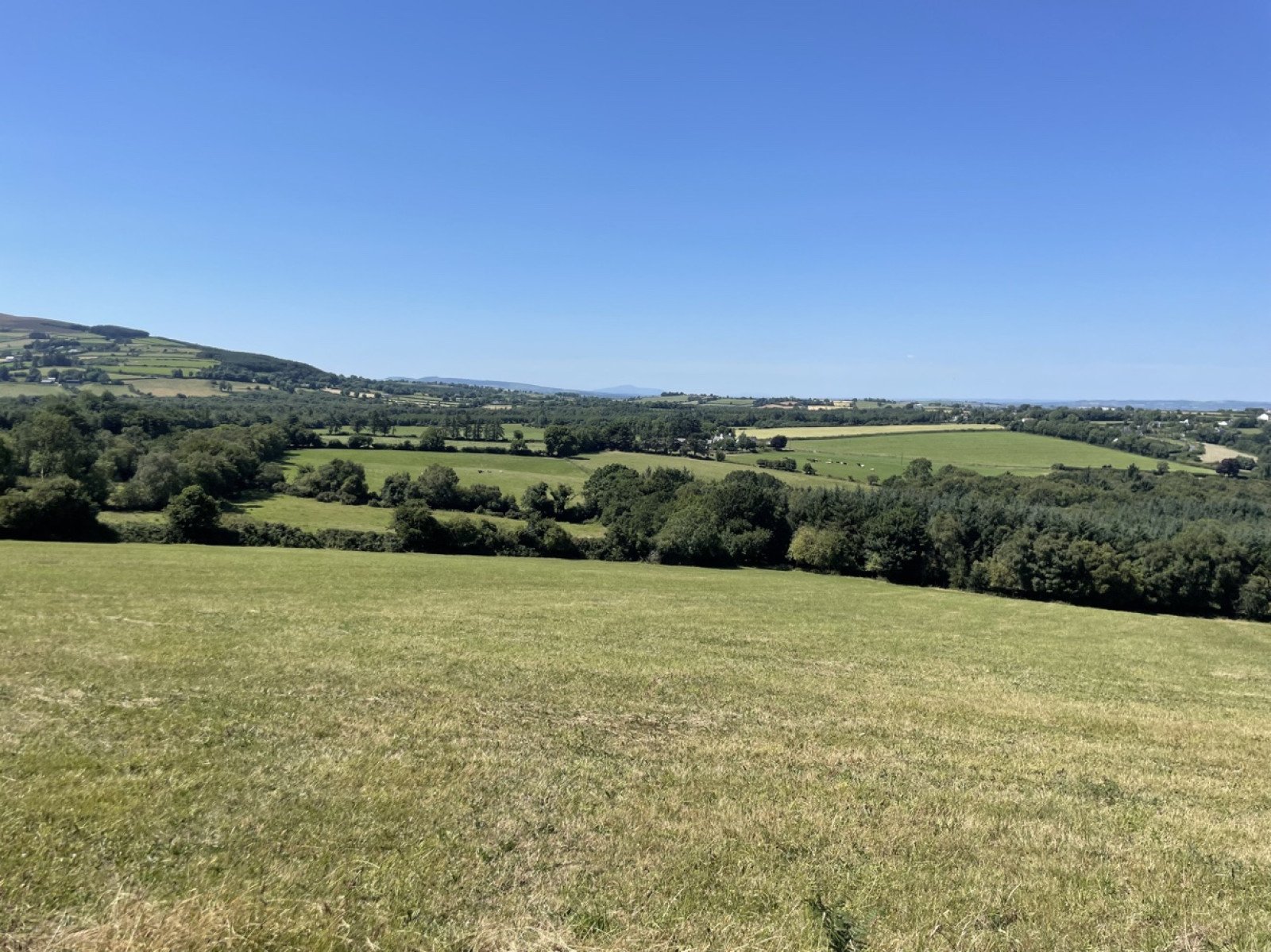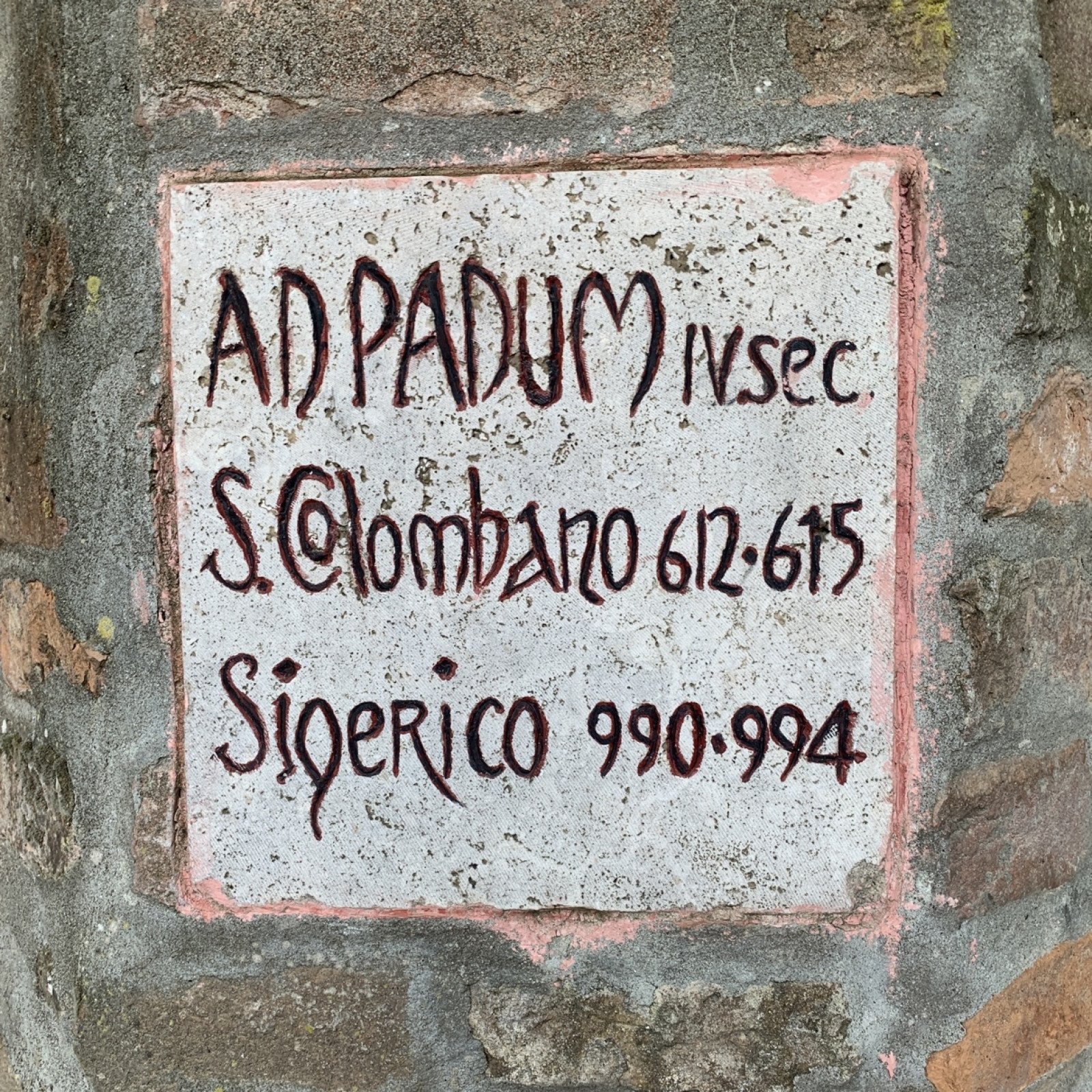
The Way of Saint Columbanus follows a historic route followed by the Irish saint during his pilgrimage in the sixth century AD. He crossed Europe to end his life in Bobbio, province of Piacenza, Italy. The route skirts numerous waterways along the way, playing an important role in connecting (often lesser-known) villages and cities throughout the country.
The Columban Way Cultural Route connects towns and regions linked to the historical journey of Columbanus (also known as Columban) and his companion Gall, who left Ireland in 590 and travelled across several European countries over a period of 25 years, reaching Italy.
Columbanus was a figure of historical relevance whose life intersected with the cultural, political and intellectual dynamics of the Early Middle Ages. He engaged with diverse linguistic and social contexts, establishing connections between Celtic, Germanic and Latin territories.
The route follows the path documented in the 'Vita Columbani' by Jonas of Susa, a key 7th-century source. It traces the locations directly associated with Columbanus’ journey through Europe, as well as other towns and villages where longstanding traditions and material evidence, such as toponyms, architectural remains and local commemorations, show a historical association with his passage.
The Columban Way offers the opportunity to travel across a wide geographical area and engage with local cultures, historical landscapes and practices. It promotes the discovery of a shared European legacy shaped by knowledge exchange and the preservation of cultural practices.
The route has been reconstructed on the basis of historical sources. With approximately 5,300 km in length, it is one of the longest cultural routes in Europe, after the Camino de Santiago, crossing multiple regions in Ireland, UK (Northern Ireland and Great Britain), France, Luxemburg, Germany, Switzerland, Austria, Liechtenstein and Italy.