
Back To Our Future
Back To Our Future
Back to Our Future - Arid Lands and Ancient Hydro-Technologies
Short Film Prize Winners
The “Back to Our Future” film award challenges the common misconception that ancient water management systems are mere prehistoric vestiges.
In fact, many of these practices still offer inspiring and innovative solutions for adapting to climate change while maintaining our vital relationship with water.
The eight winning films highlight, from different perspectives, how ingenious techniques developed over centuries have fostered harmony between people and nature, preserved ecosystems and biodiversity, and sustained livelihoods, social cohesion, and traditional landscapes.
These time-tested Ancient Hydrotechnologies (AHTs) offer creative approaches to protecting the planet’s blue heritage.
The Short Film Prize Winners’ ceremony took place in Cine Brasília, a World Heritage Site designed by Oscar Niemeyer, a place built to inspire imagination.
Ancient Hydrotechnologies (AHTs) deserve much greater attention in regional water management policies, especially in arid regions facing increasing pressures from climate change, land abandonment, and migration.
As we strive to achieve the 2030 Agenda and the UN SDGs, it becomes clear that sophisticated technologies alone cannot solve the complex challenges of climate change and resource depletion. At a time when the world is tilting toward division and conflict, the values behind AHTs remind us that cooperation and solidarity in the water sector are essential to building peace.
The holistic vision they represent is not just relevant—it is vital to our common future.
This award is the outcome of a collaboration between The Global Network of Water Museums (WAMU+NET) and Let’s Talk About Water.
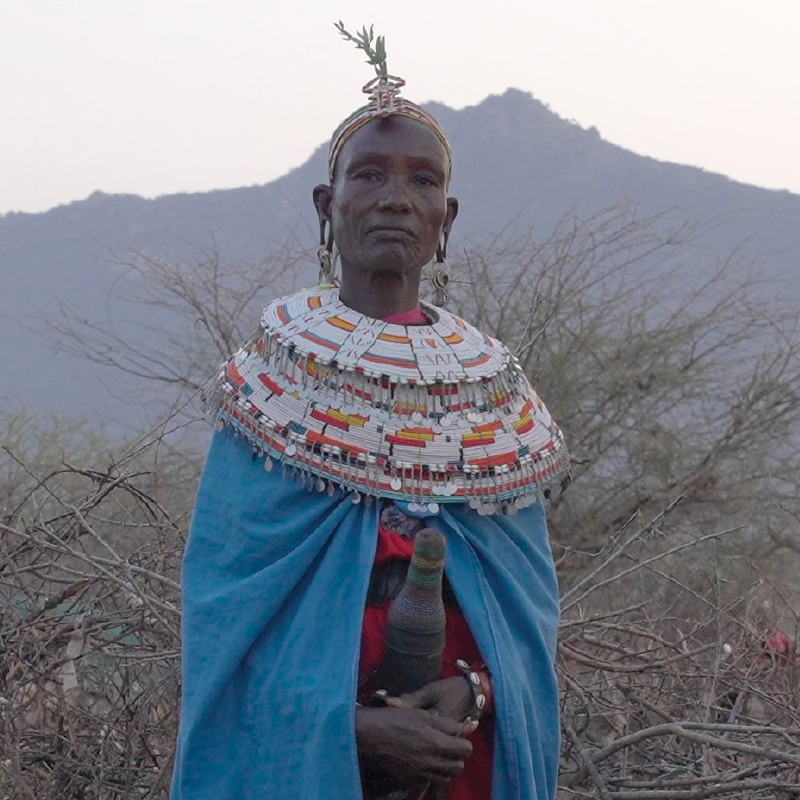
FIRST PLACE
THE LAND SMILES BACK by Thysa Beekman, Kenya.
In Kenya, the Samburu sing to water-men dig wells, women call the rain. After years of drought, they revive ancient hydrotechnologies, making the land smile again with water and hope.
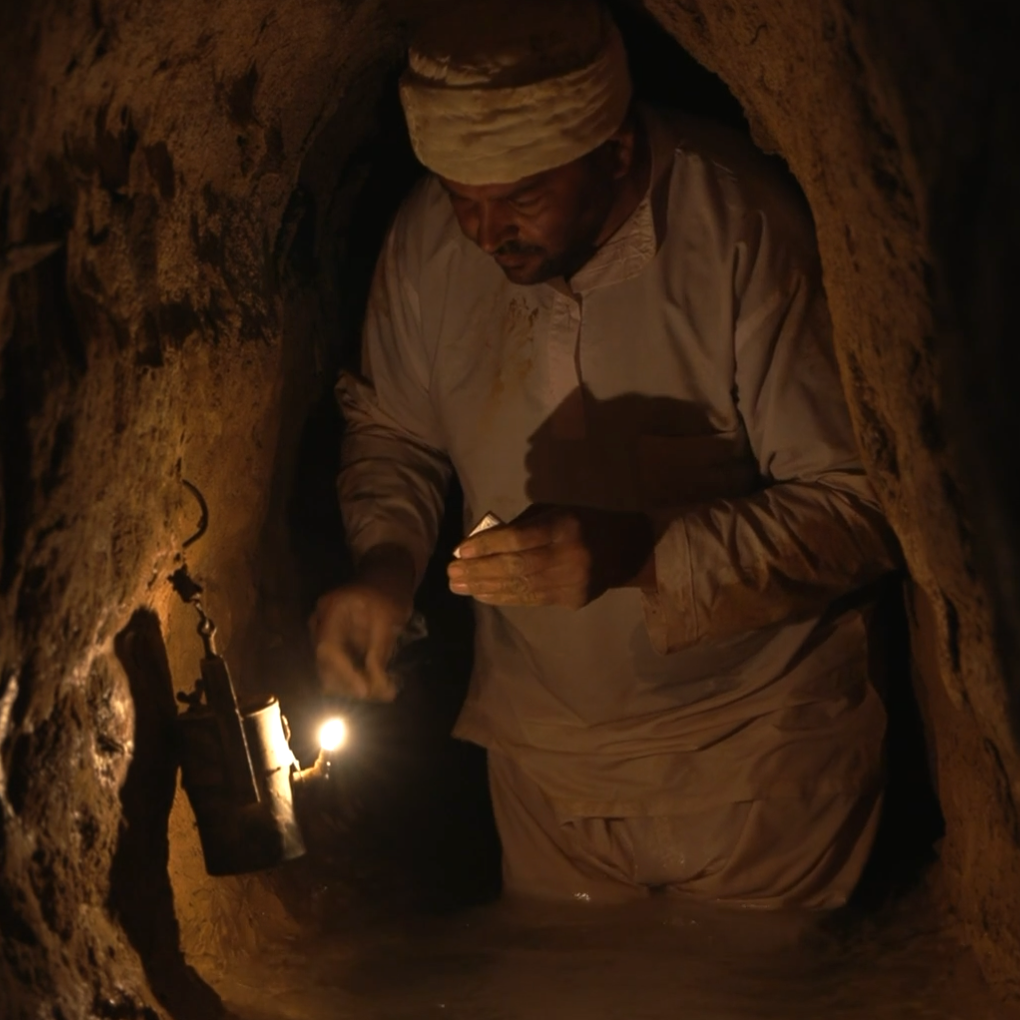
SECOND PLACE
THE MYSTERY OF QANATS by Ahmad Saraf Yazd, Iran.
The Mystery of Qanats reveals Yazd’s underground lifelines-ancient tunnels carrying water through the desert. Through the voices of diggers and farmers, it celebrates patience, cooperation, and ancestral wisdom that still guides the future.
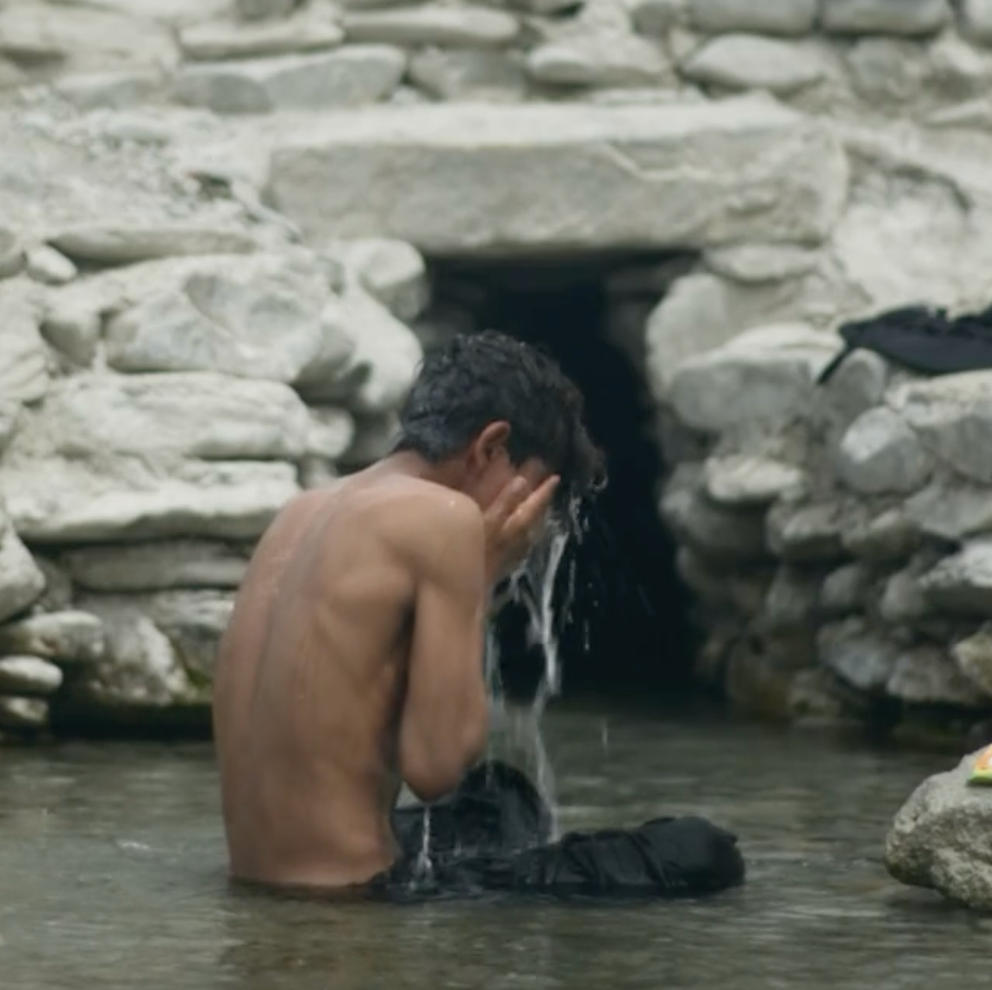
THIRD PLACE
FORGOTTEN FLOWS OF KAREZ by Mir Abdul Malik, Pakistan.
In Balochistan, Pakistan, the ancient karez system - lifeline of the desert - faces decline from technology and climate change. A community stands at a crossroads, guided by memory and resilience.
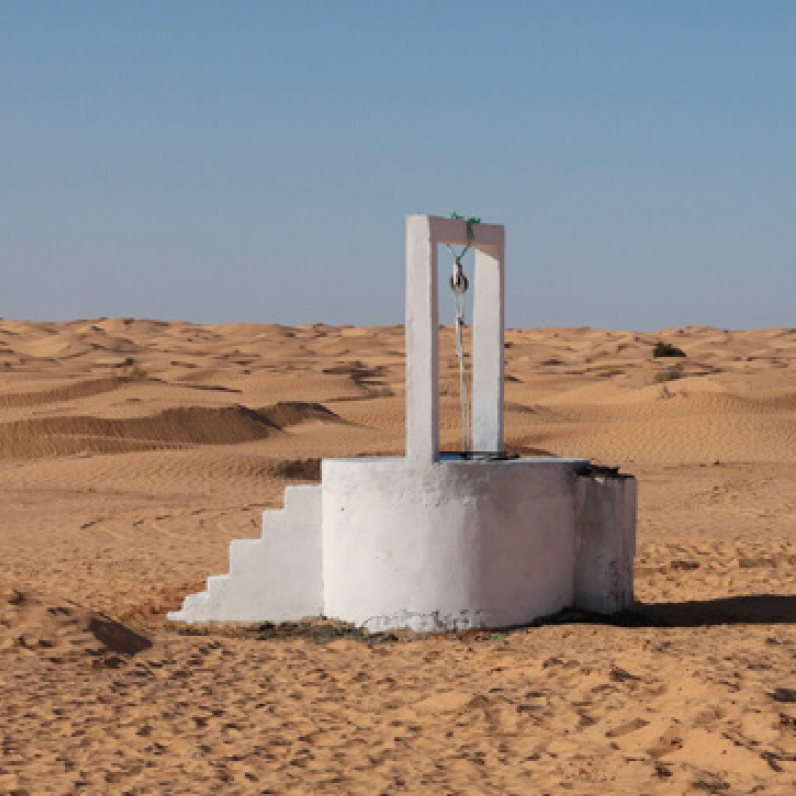
HONORABLE MENTION
LAND OF WELLS by Vanessa Lacaille, Mounir Ayoub, Hamed Kriouane, Tunisia.
In Tunisia’s 'Land of Wells', locals, nomads, and shepherds unite to restore Bir Ettin - a place of life and hospitality. The film retraces four days reviving it for future desert travellers.
HONORABLE MENTION
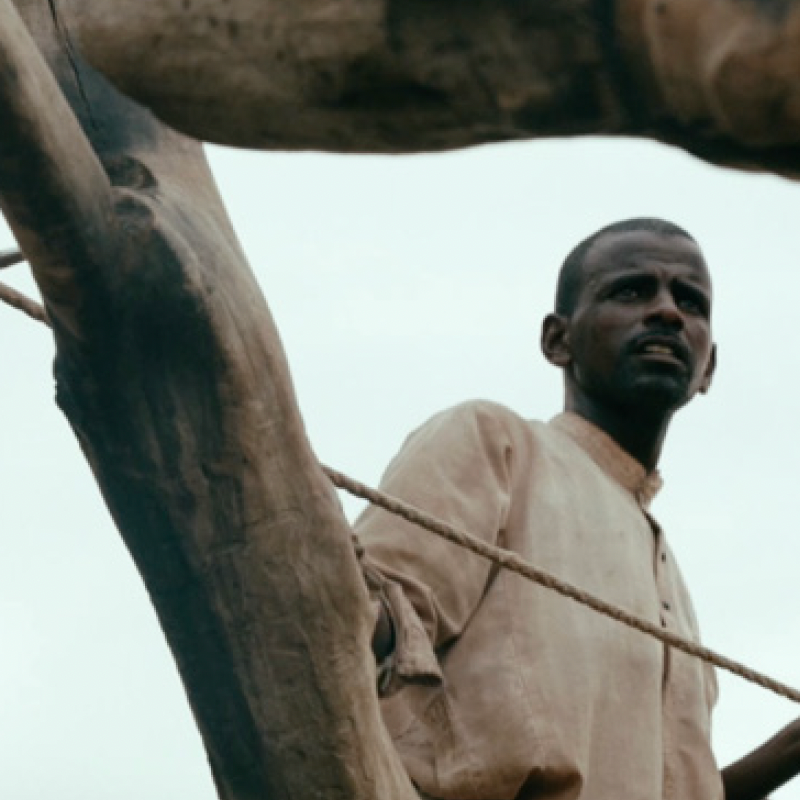
GUARDIAN OF THE WELL by Bentley Brown, Tahir Ben Mahamat Zene, Chad.
Amid severe drought in Chad’s Sahara, a man stands by a well, mourning his lost cattle. As the land dries and survival wanes, he reflects on change and the fragile bond between life and water.
HONORABLE MENTION
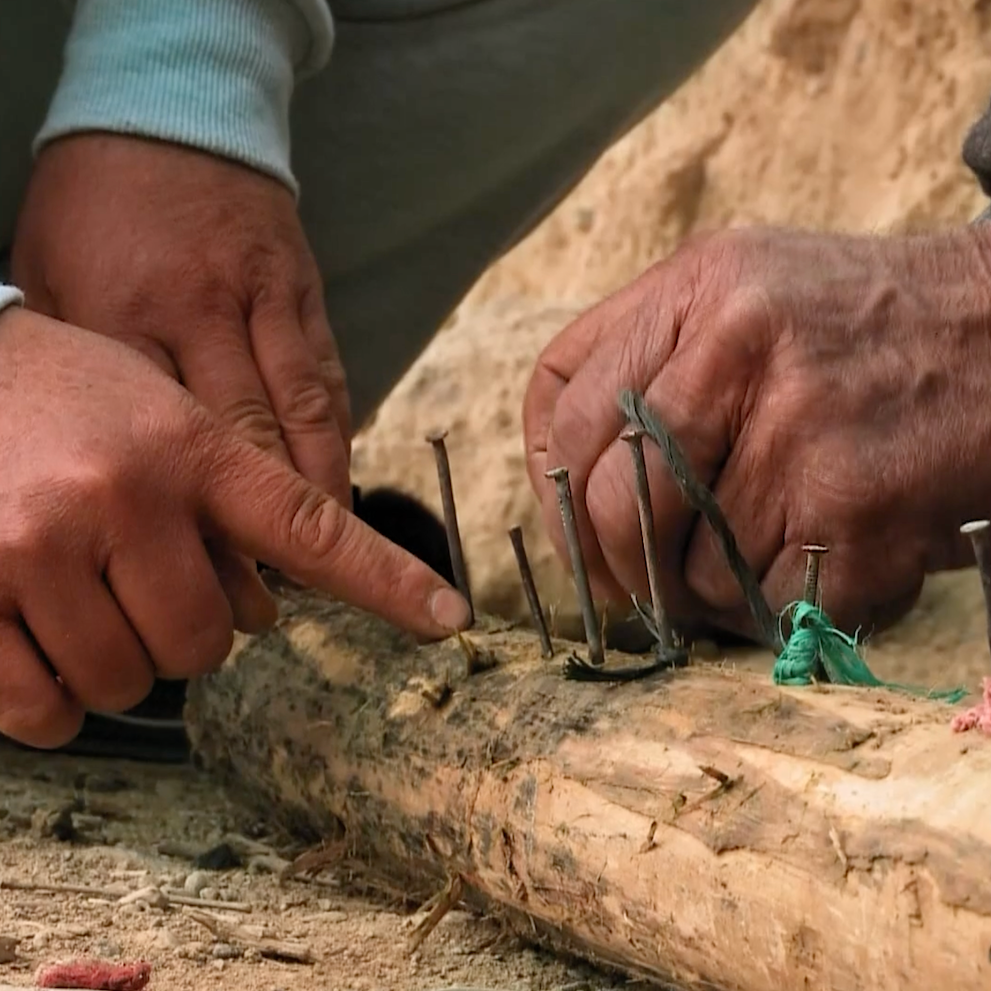
EAUQUATION - WATER DISTRIBUTION AT DOUIRET-SBÂA by Amine Ahmidani, Morocco.
In Douiret-Sbâa, Morocco, an ancient system fed by the Aîn Sbaâ spring stores water by night and shares it by day. For centuries, this balance has sustained the oasis and its social harmony.
HONORABLE MENTION
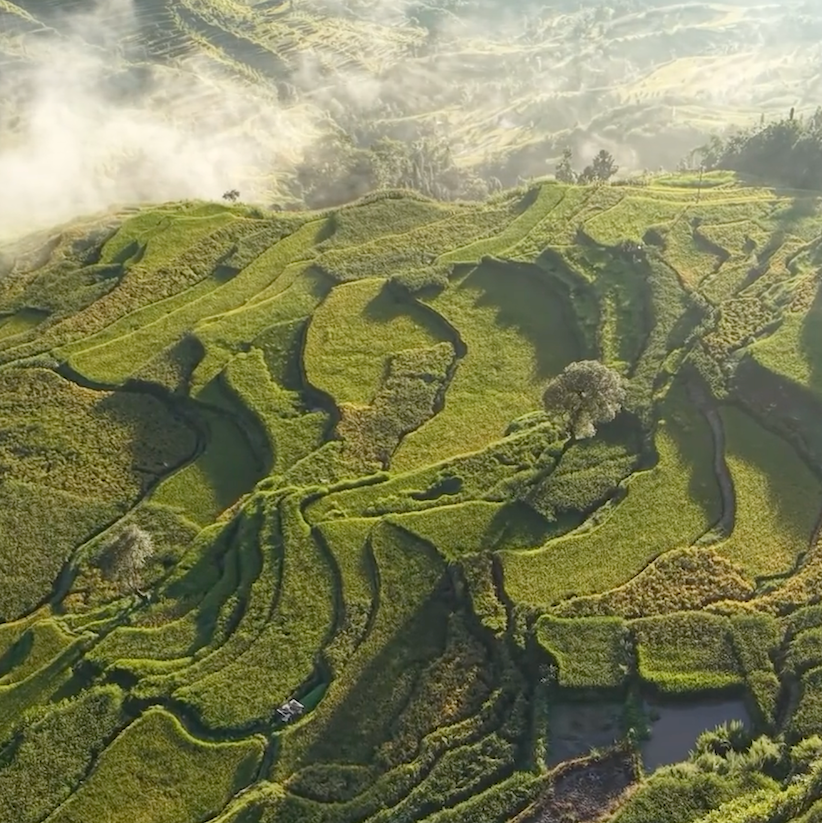
LIVING WITH WATER by Lin Sihan, China.
The resilient wisdom of the Hani rice terraces.

HONORABLE MENTION
E-RIAL by Jhonattan Sarmiento, Colombia.
Amid a world of digital ruin, a lone seed resists. Rusted drones stir, a bird drops a leaf, and life awakens - an allegory of how technology, in harmony with nature, can still help heal the planet.