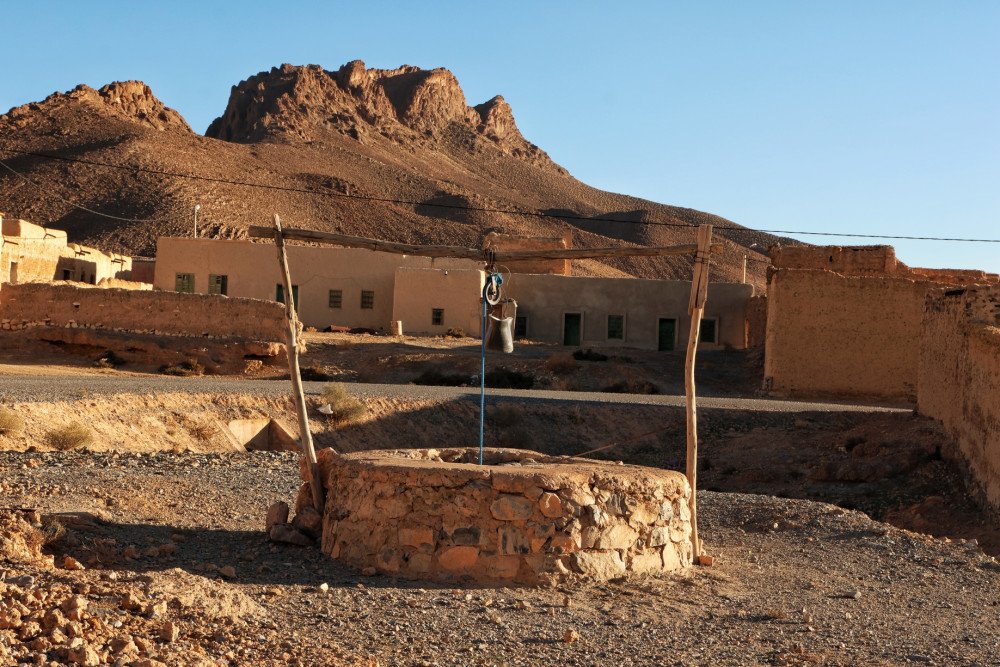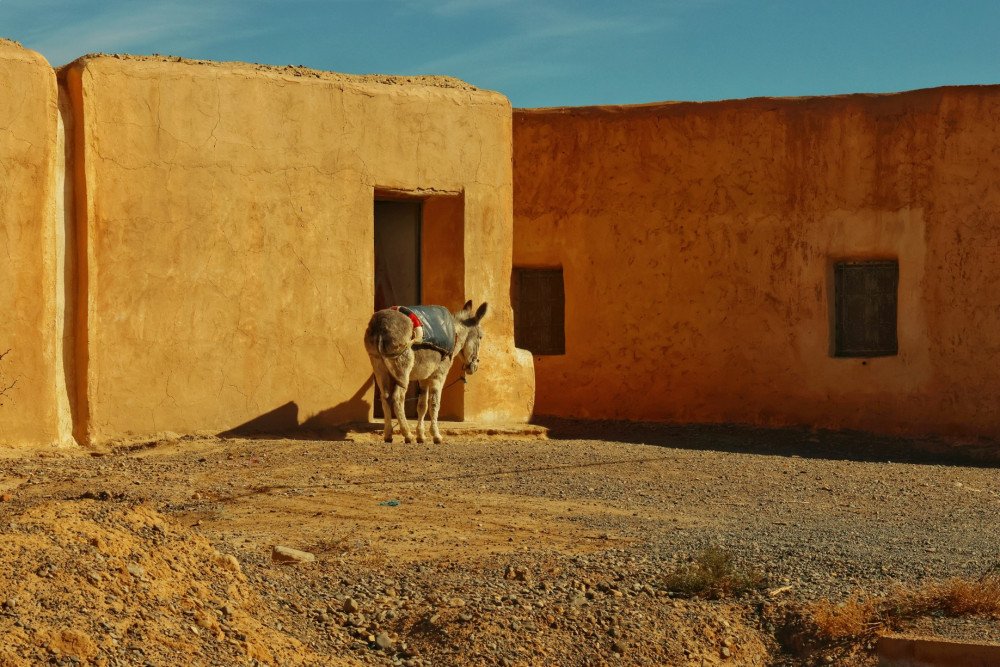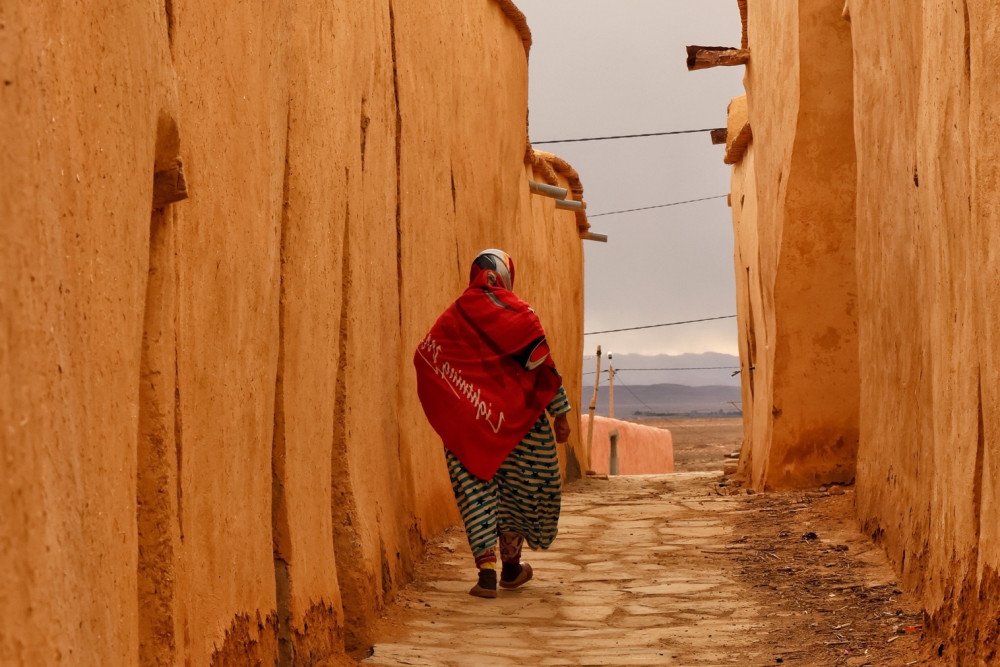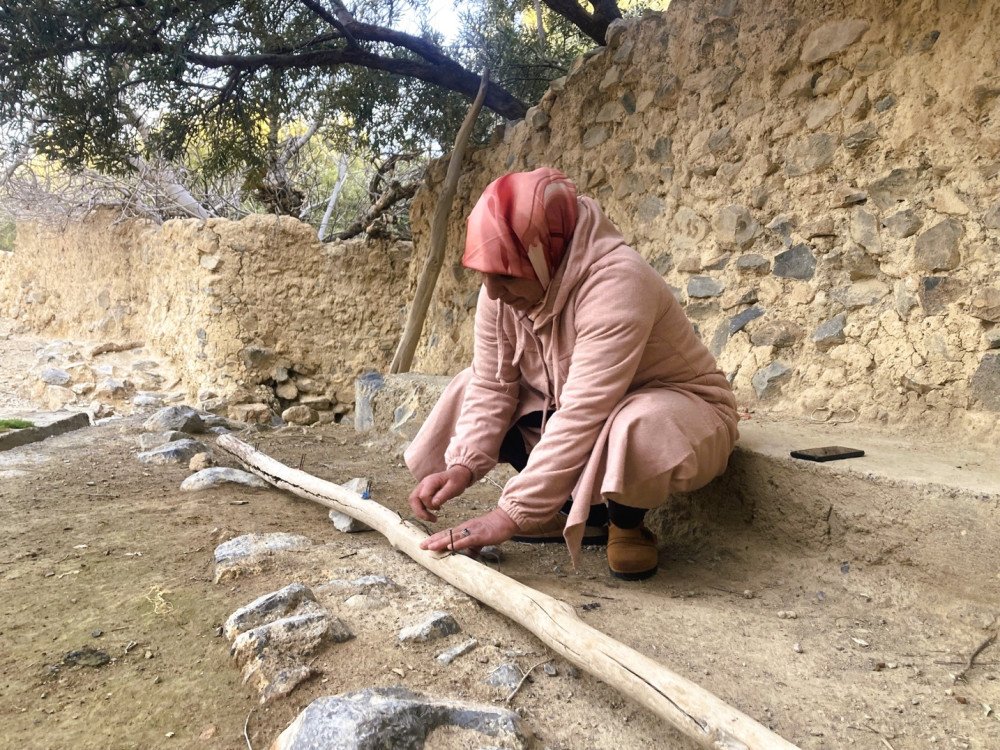
The Écomusée de Douiret-Sbâa et de son Oasis (Morocco), established in 2026, is a community-led initiative rooted in local knowledge and collective governance. At its heart lies the Aïn-Sbâa spring, whose traditional water distribution system has ensured fair and sustainable use since 1565. The ecomuseum promotes the preservation of water heritage through community engagement, documentation, and partnerships.
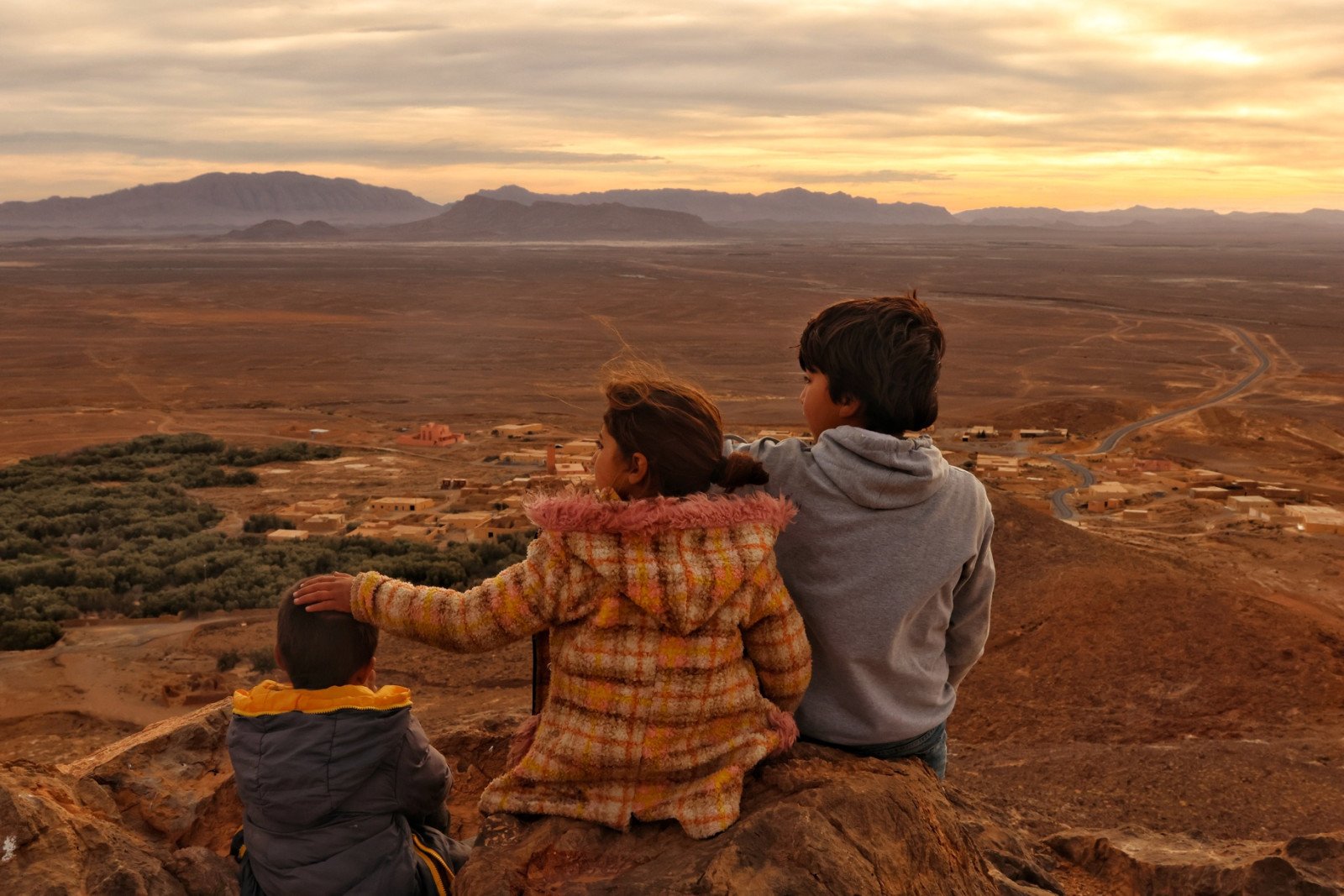
The ecomuseum of the village of Douiret-Sbâa and its oasis was formally established in 2026, building on a long-standing, community-driven process led by the local development association of Douiret-Sbâa. Rooted in the knowledge, practices, and collective organisation of the community itself, the ecomuseum reflects a shared commitment to preserving and transmitting the village’s unique water heritage.
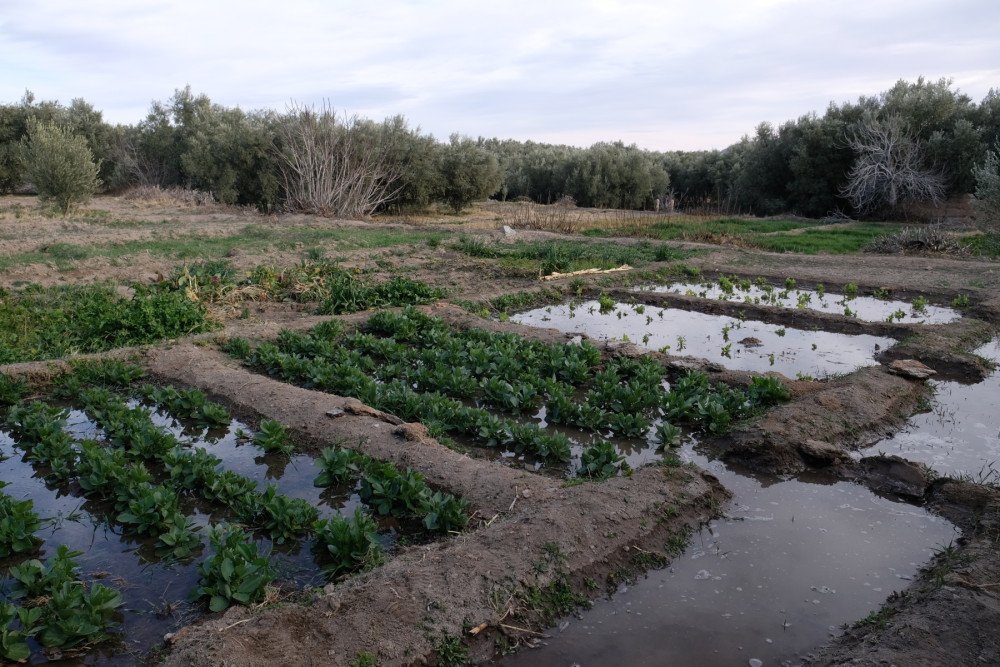
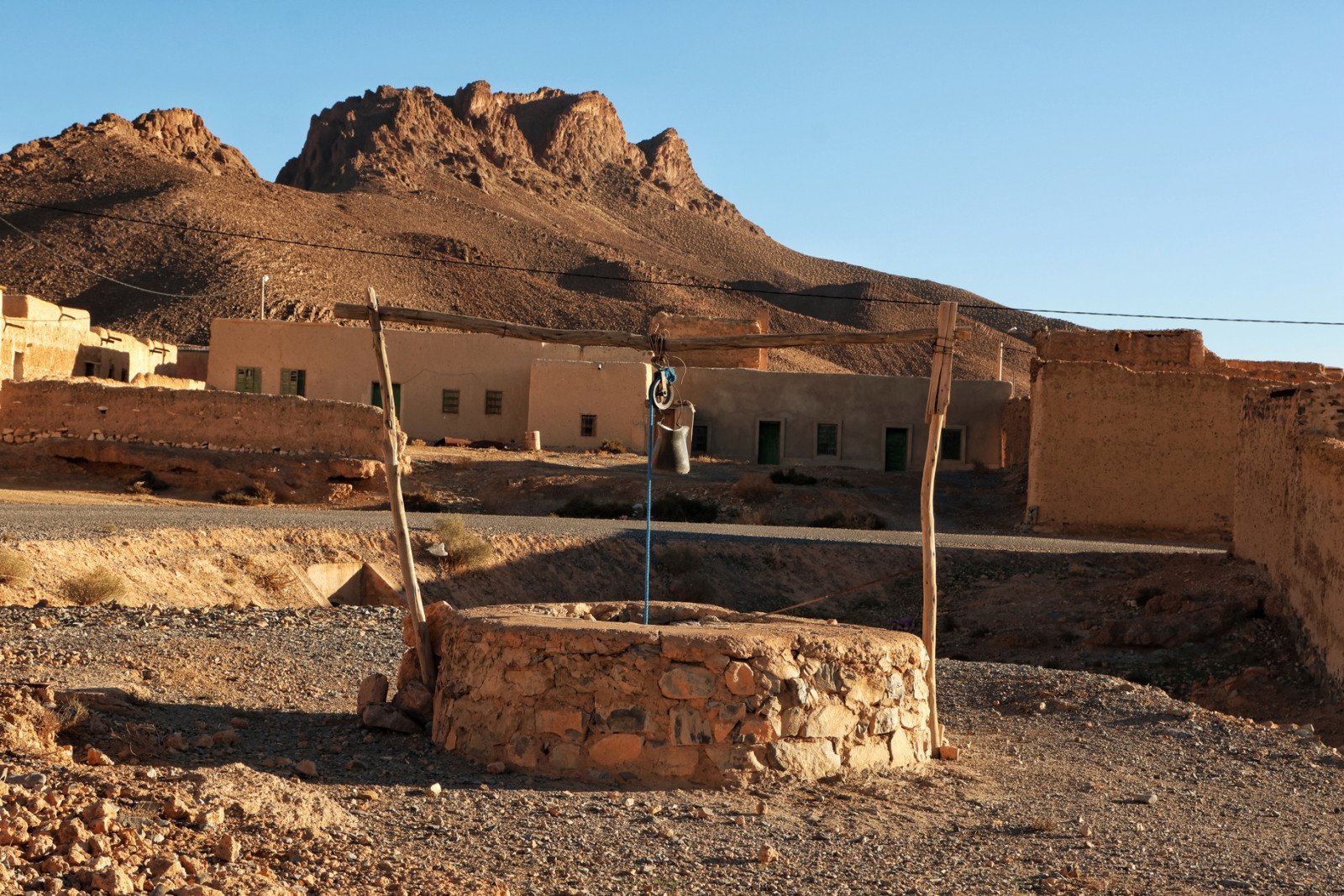
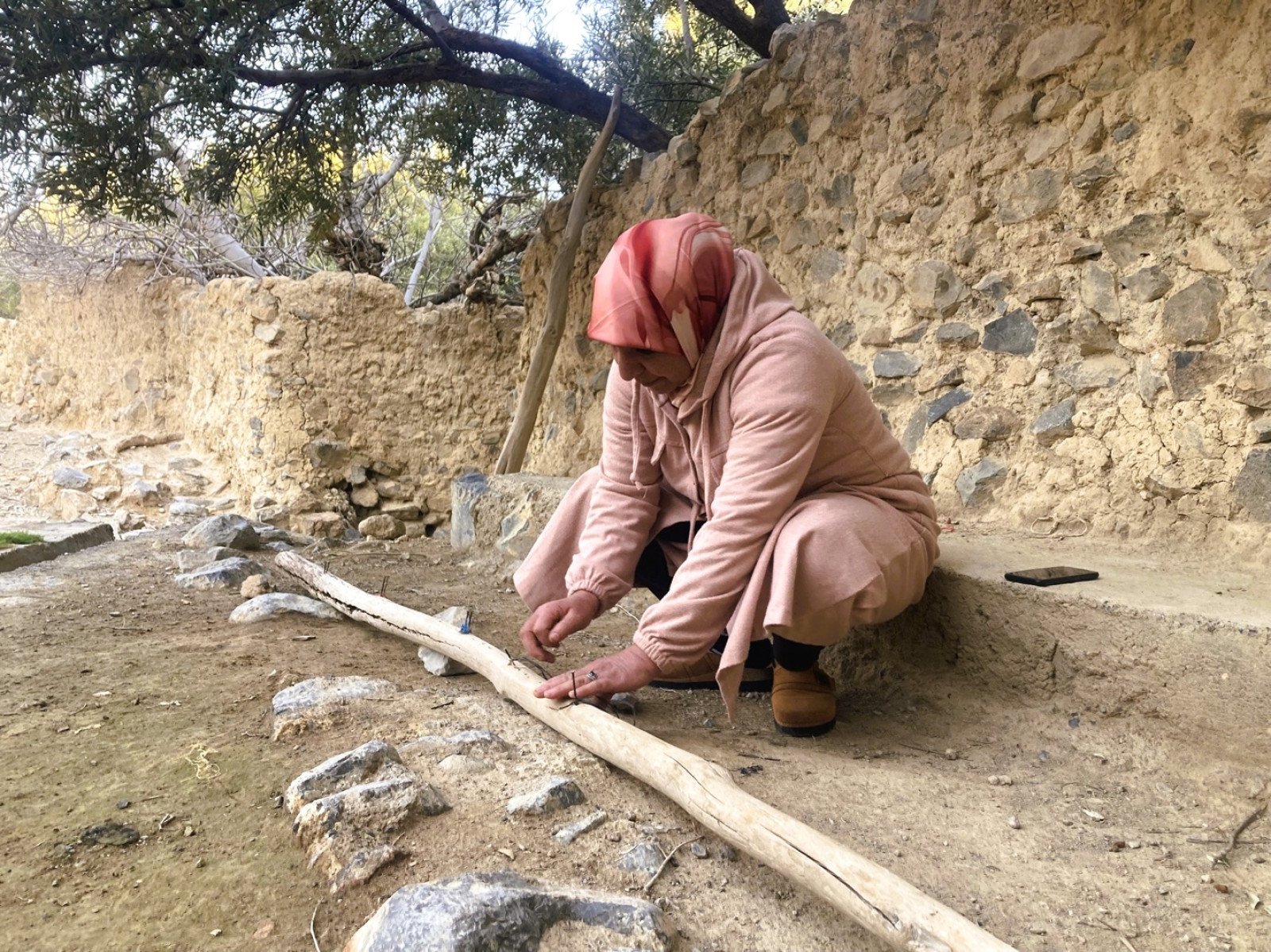
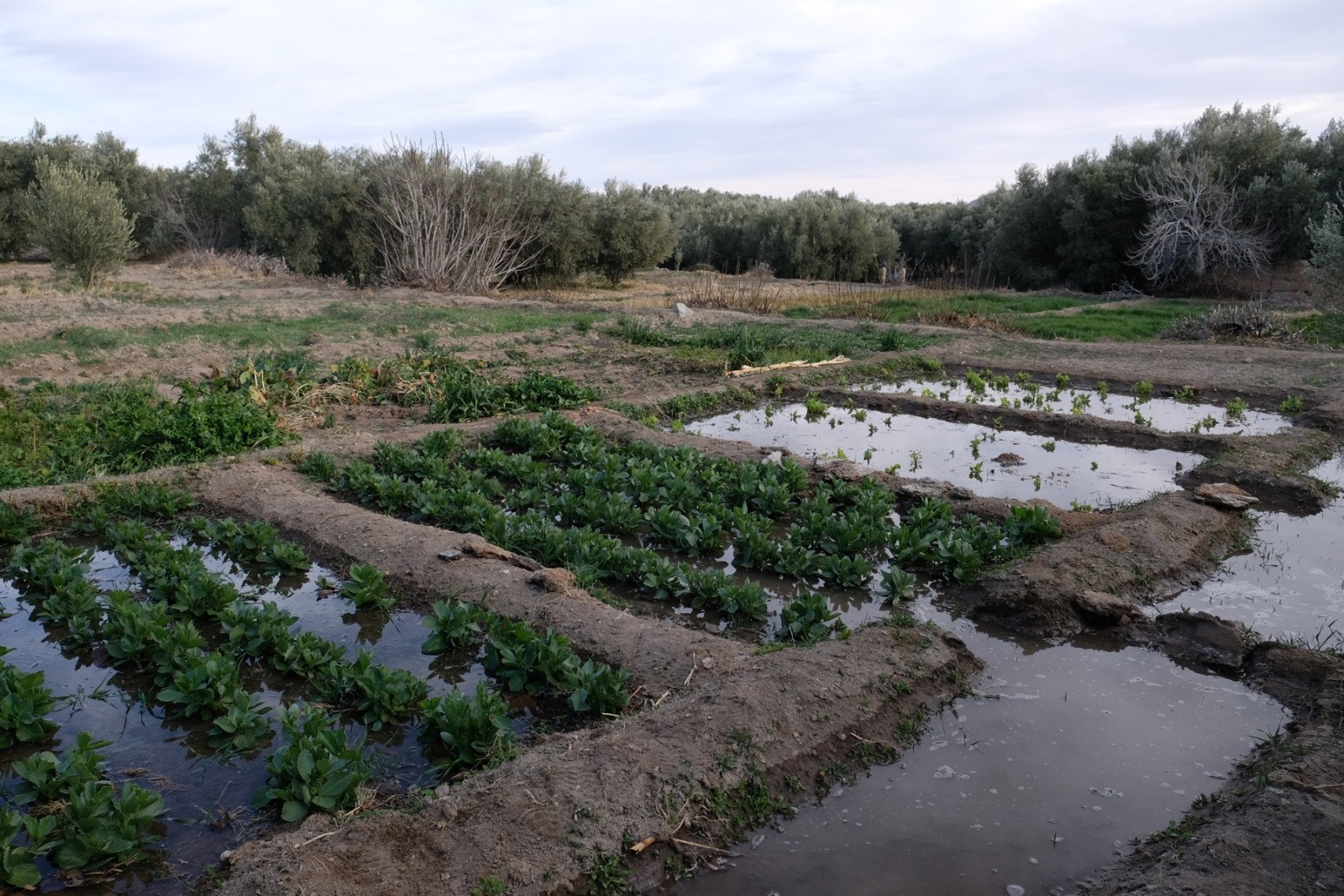
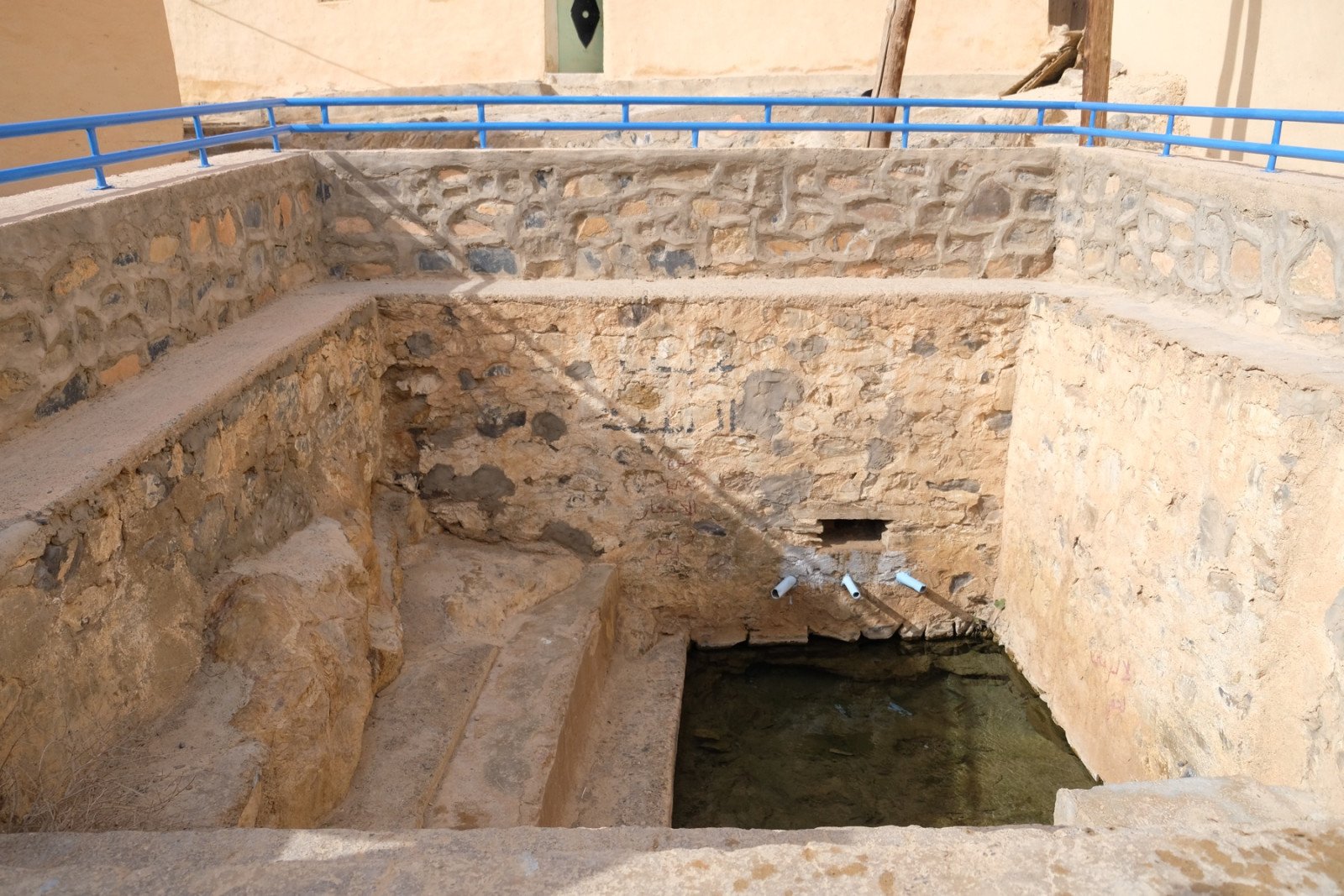
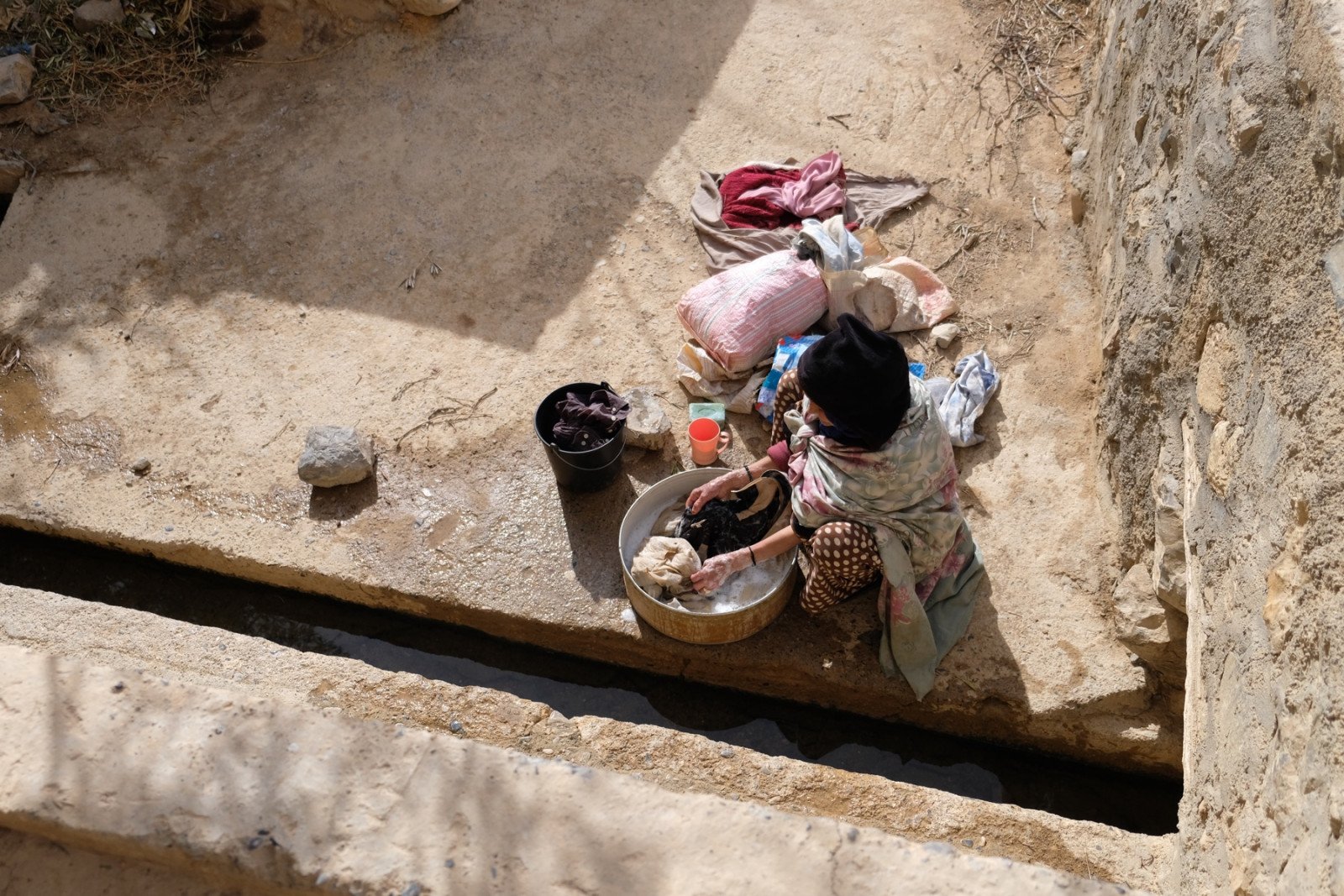
At the heart of the ecomuseum lies the traditional water distribution system of the Aïn-Sbâa spring. Functioning continuously since 1565, when the village and oasis were founded by Sidi Mhammad Sbâa, this system regulates the daily allocation of water through a highly precise and equitable structure. Managed collectively by the community, it represents a living example of sustainable water governance rooted in local knowledge.
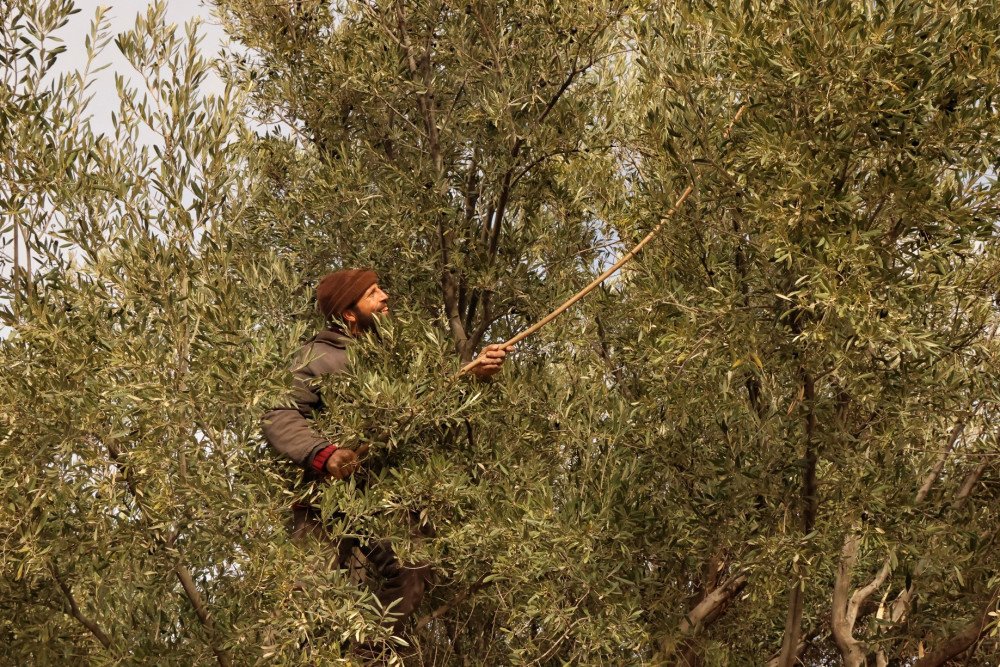
The primary goal of the ecomuseum is to protect and enhance both the tangible and intangible heritage of the village. Through community-led initiatives, it promotes awareness, knowledge-sharing, and cultural exchange at local and international levels. Key areas of action include the safeguarding of traditional irrigation and agricultural practices, the revitalisation of community life, the promotion of sustainable cultural tourism, and the rediscovery of local history through partnerships with academic and research institutions.
In Douiret-Sbâa, a small visitor centre presents the history of the village and its water management system through documents, photographs, and artefacts. Alongside this, the local development association has undertaken a deliberate and remarkable process of self-documentation, whereby community members themselves have recorded, structured, and transmitted their cultural and technical knowledge. This approach challenges extractive research practices and reinforces local ownership of heritage. The core outputs of this process, which form a central part of the ecomuseum, include:
- The Guide Eau (Boughoud, 2021): a 44-page publication developed through workshops with village elders, field surveys, and collective validation processes. It brings together oral histories, genealogies, technical diagrams, water allocation tables, irrigation schedules, the original 1565 purchase deed, and a detailed codification of rules and social responsibilities;
- Video documentation: a documentary film produced by the community, alongside photographic and video materials created by young residents. These works document the daily functioning of the irrigation system, the landscape of the oasis, and the lived knowledge of elders.
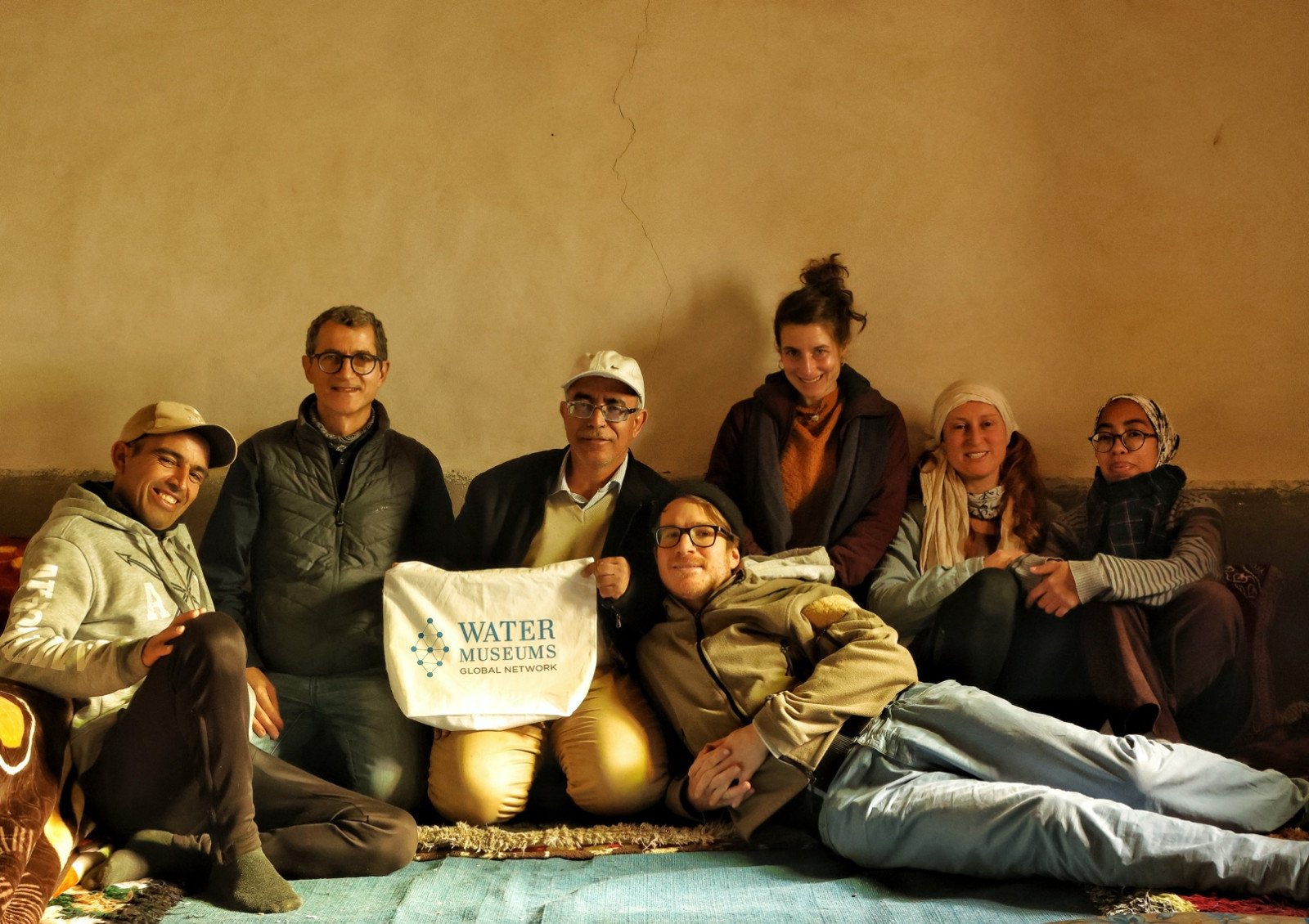
Since 2024, a series of exchanges with WAMU+NET staff and collaborators — including field visits, online workshops, and ongoing dialogue facilitated by Vladimiro Boselli (researcher and WAMU+NET collaborator)— have supported the structuring of the ecomuseum as a co-creative initiative.
Within this framework, the ecomuseum is understood as a “community of relationships” oriented towards sustainable local development. External partners, including WAMU+NET, play a facilitative and supportive role, ensuring that the community remains at the centre of all decisions and that the living character of the water system is preserved. Decisions regarding documentation and development are taken through the village’s customary consensus-based mechanisms.