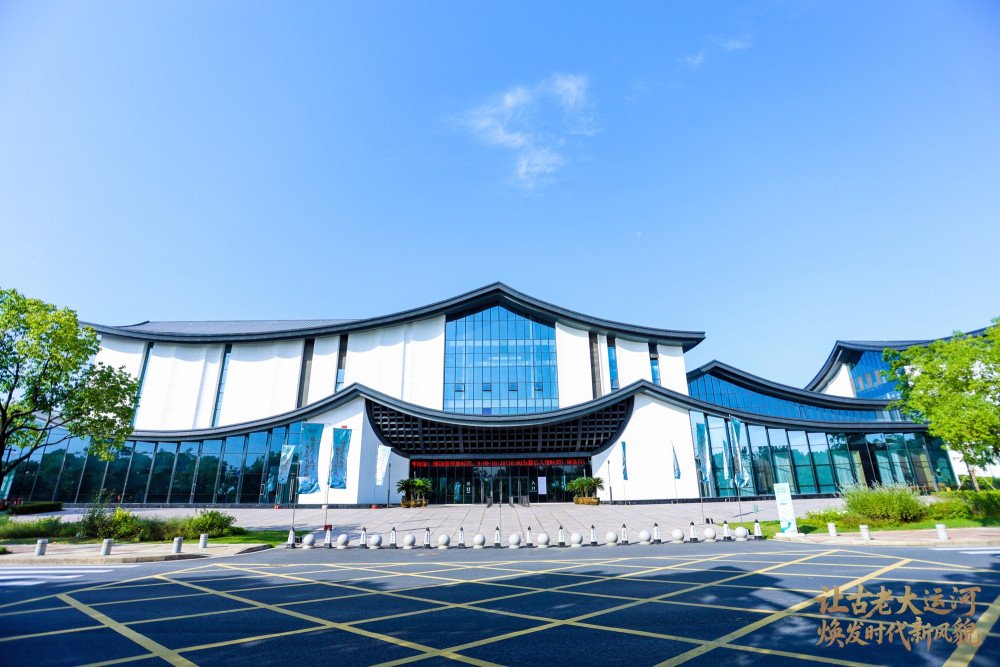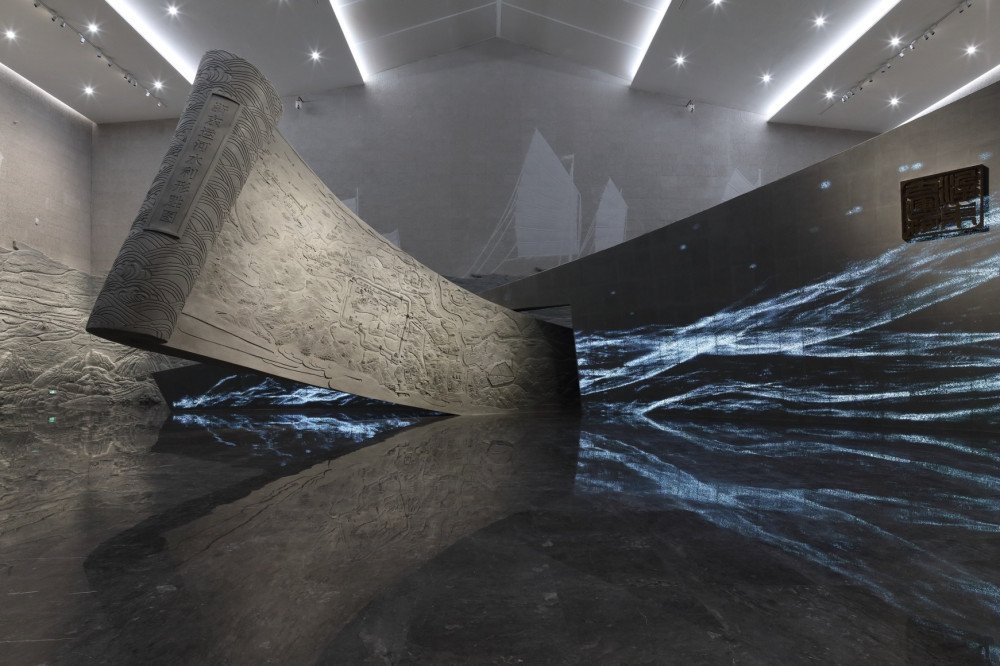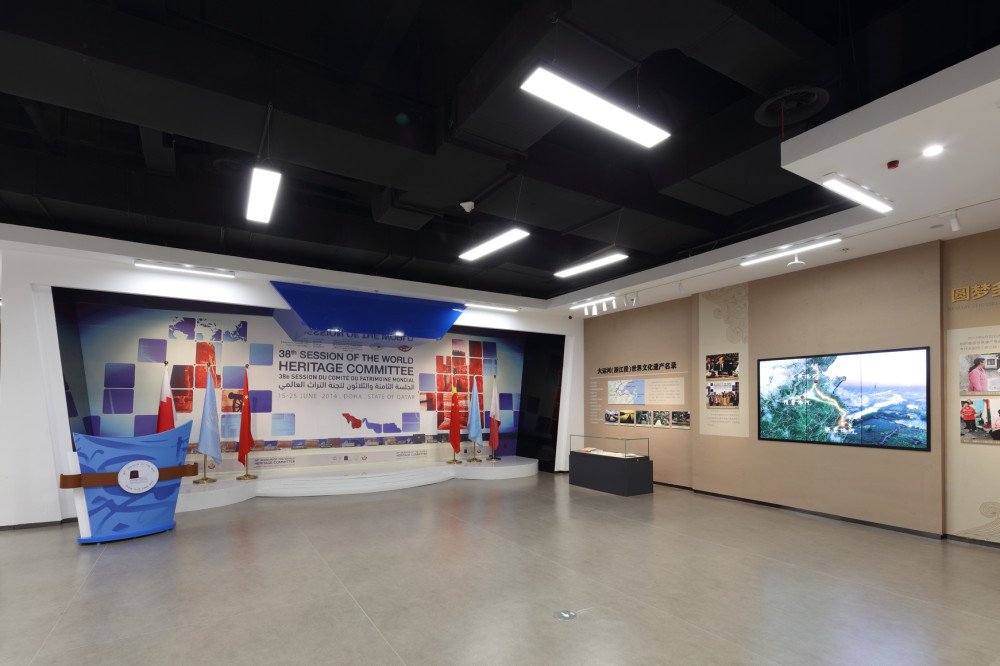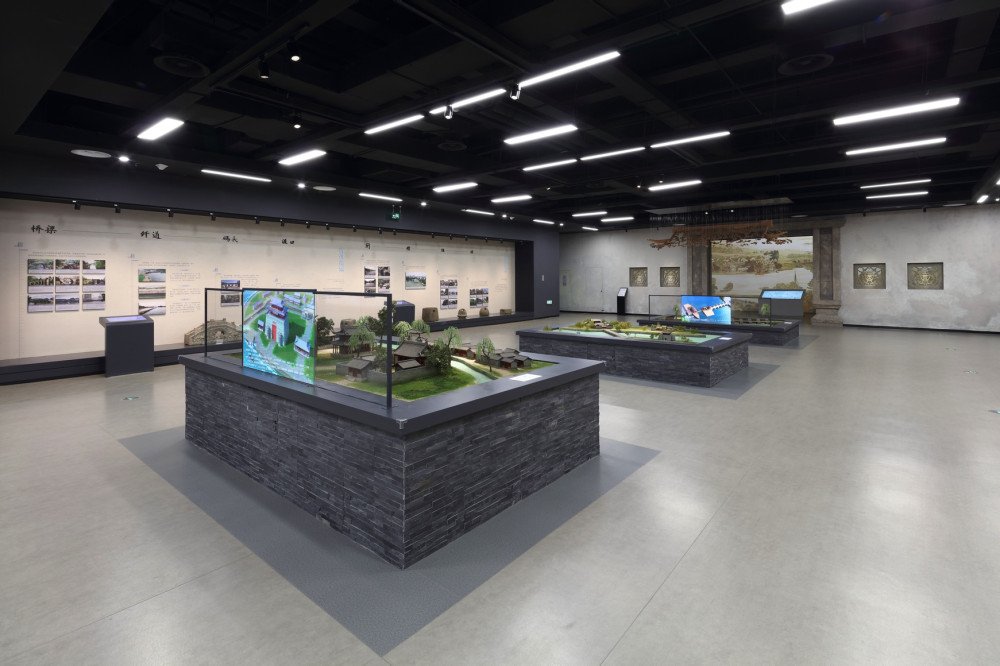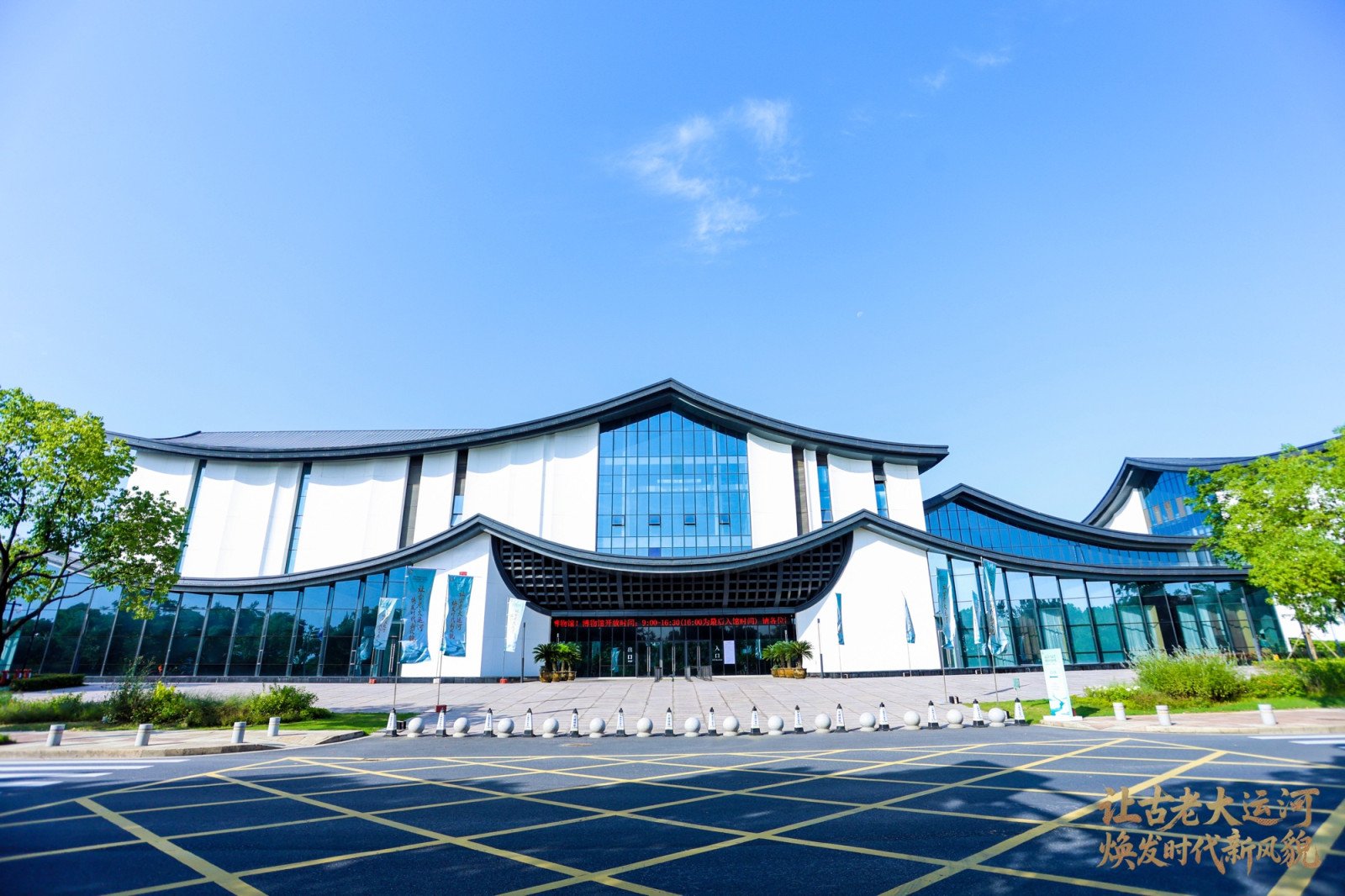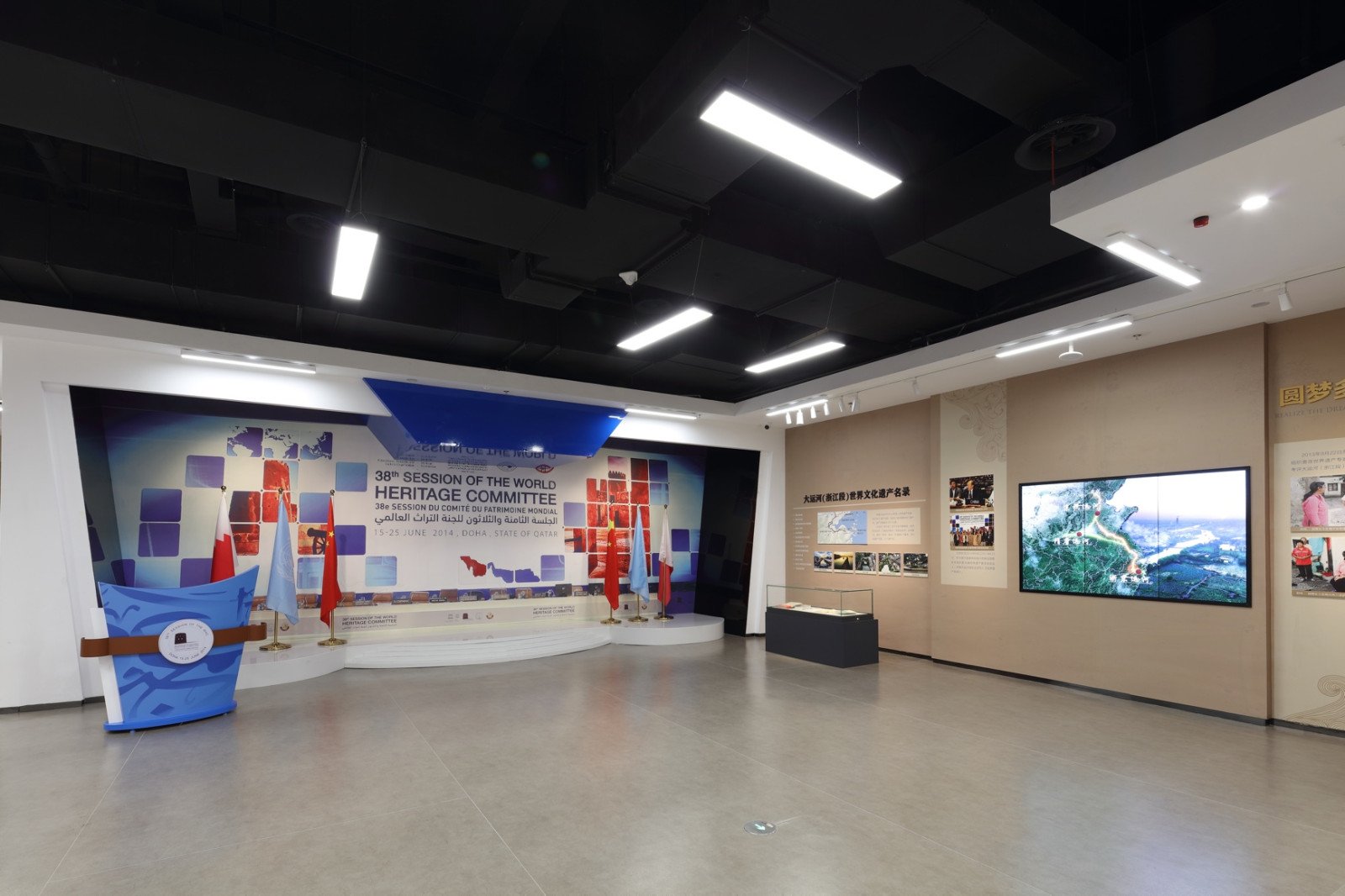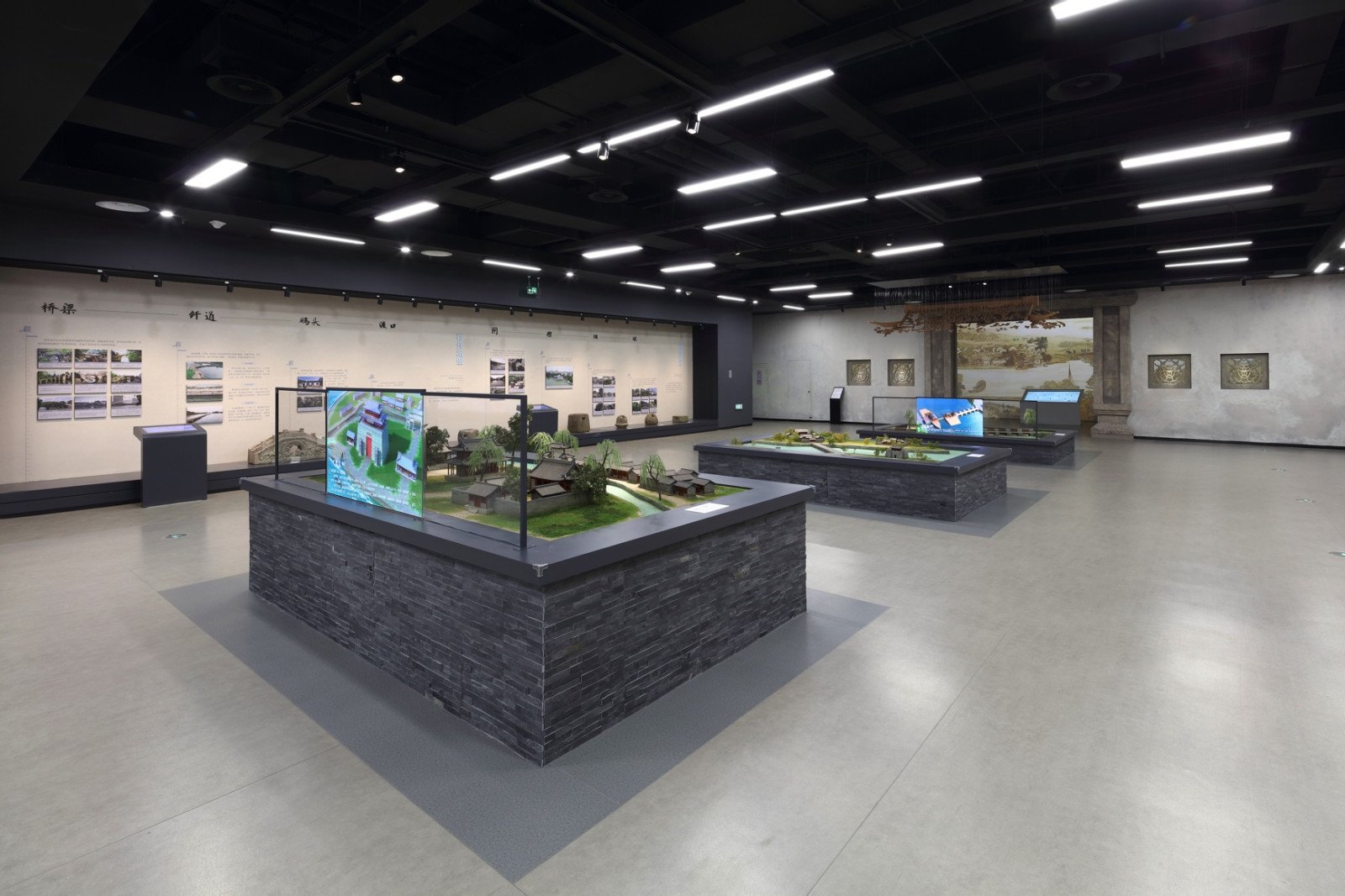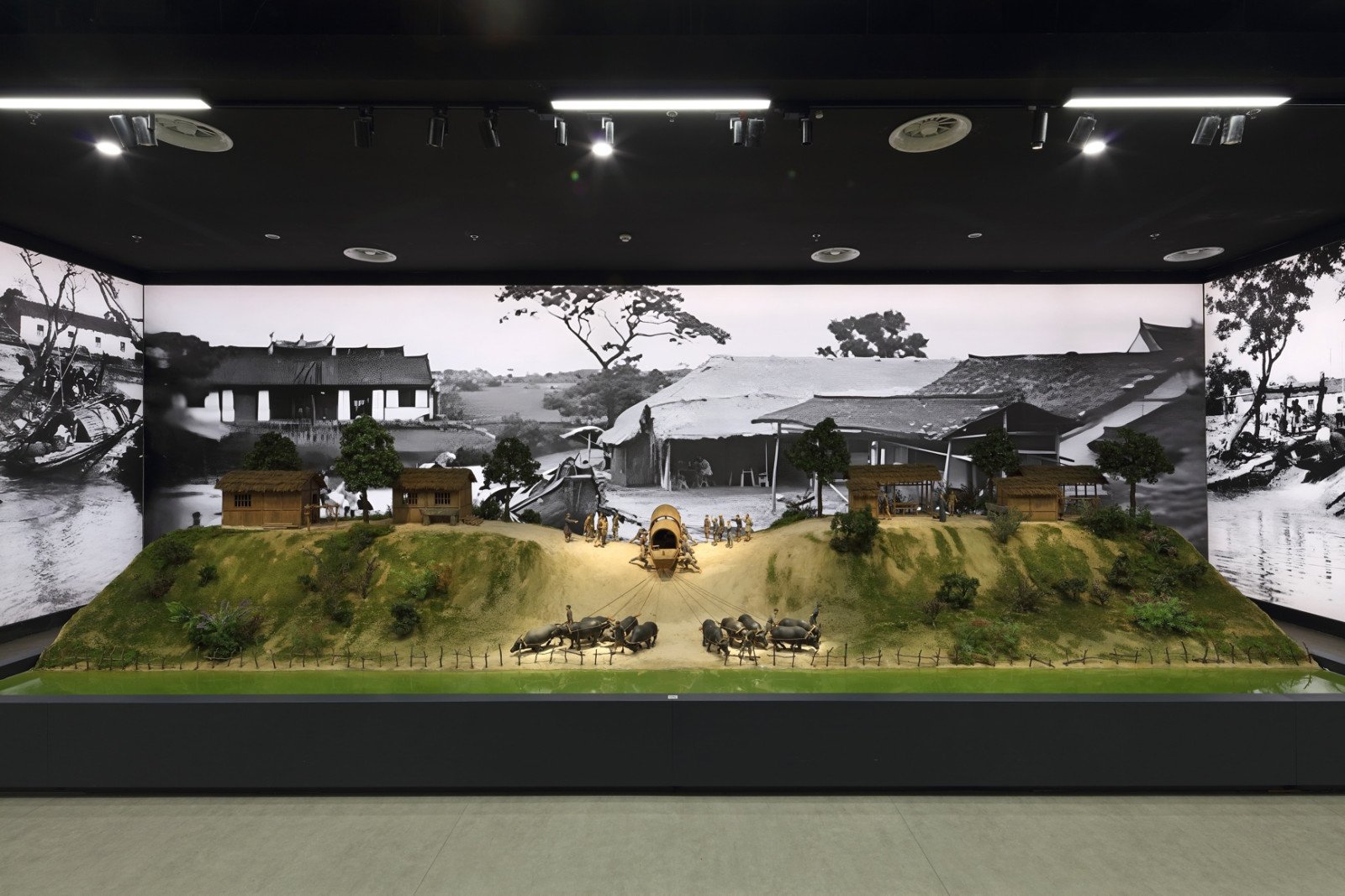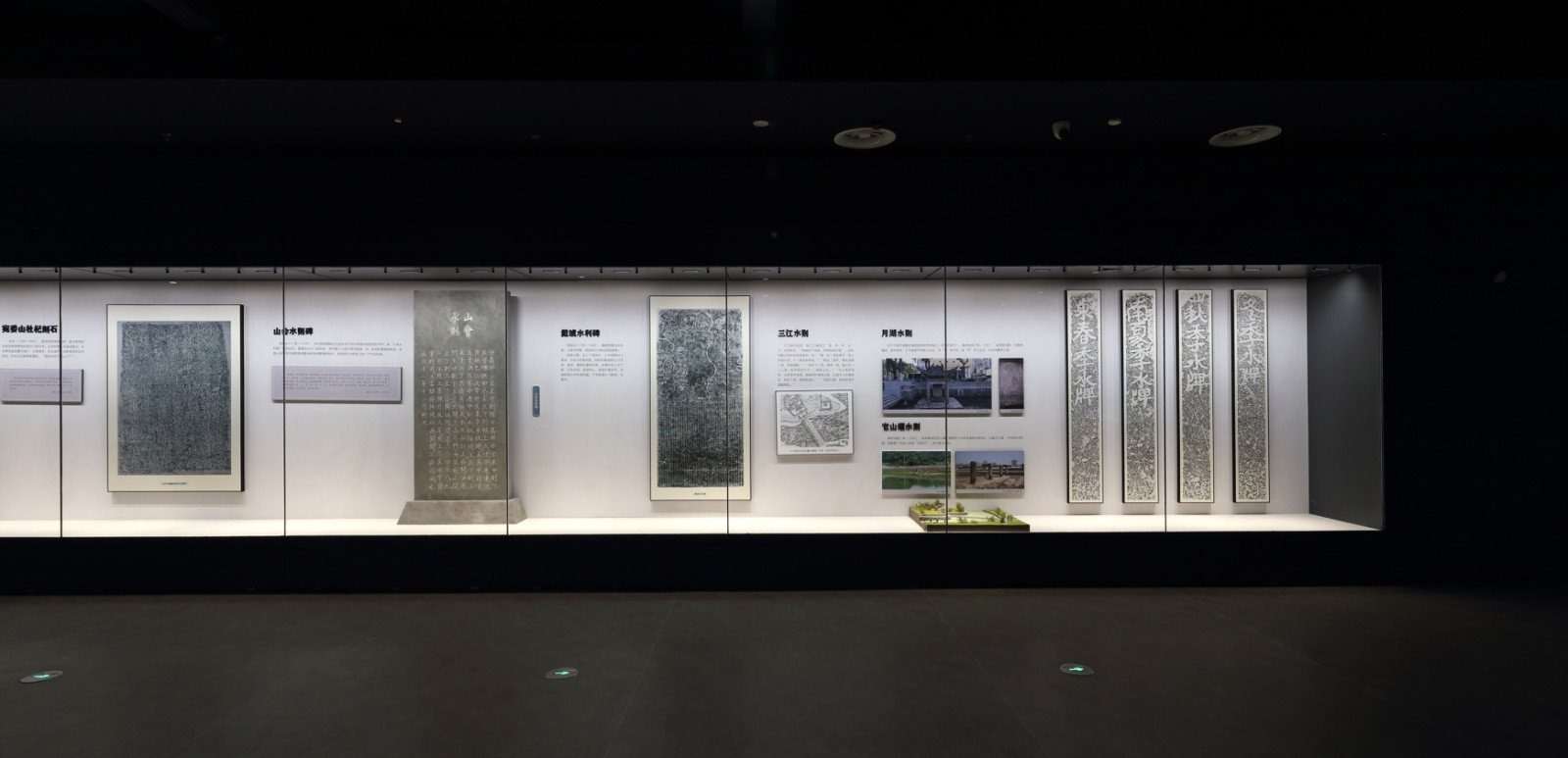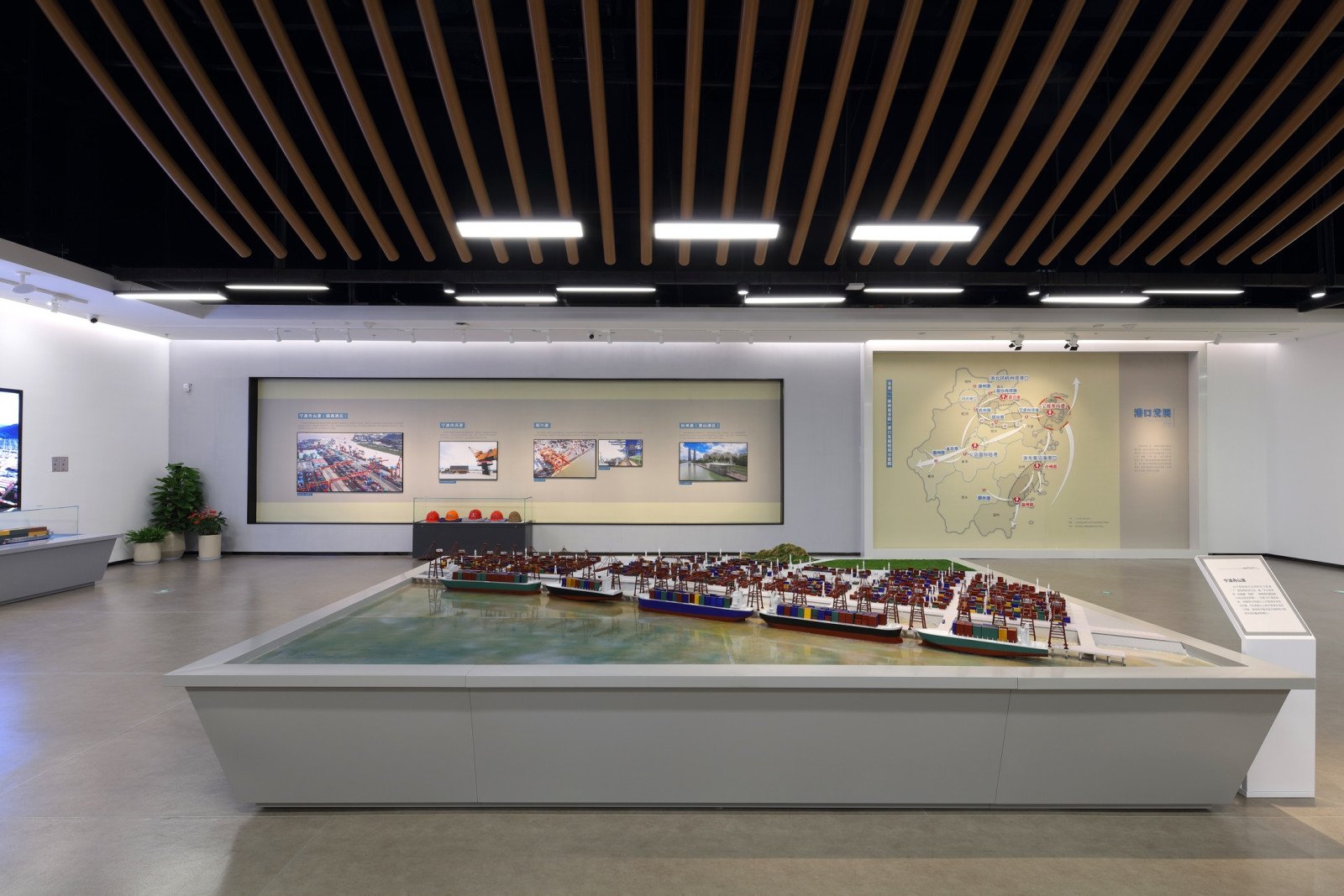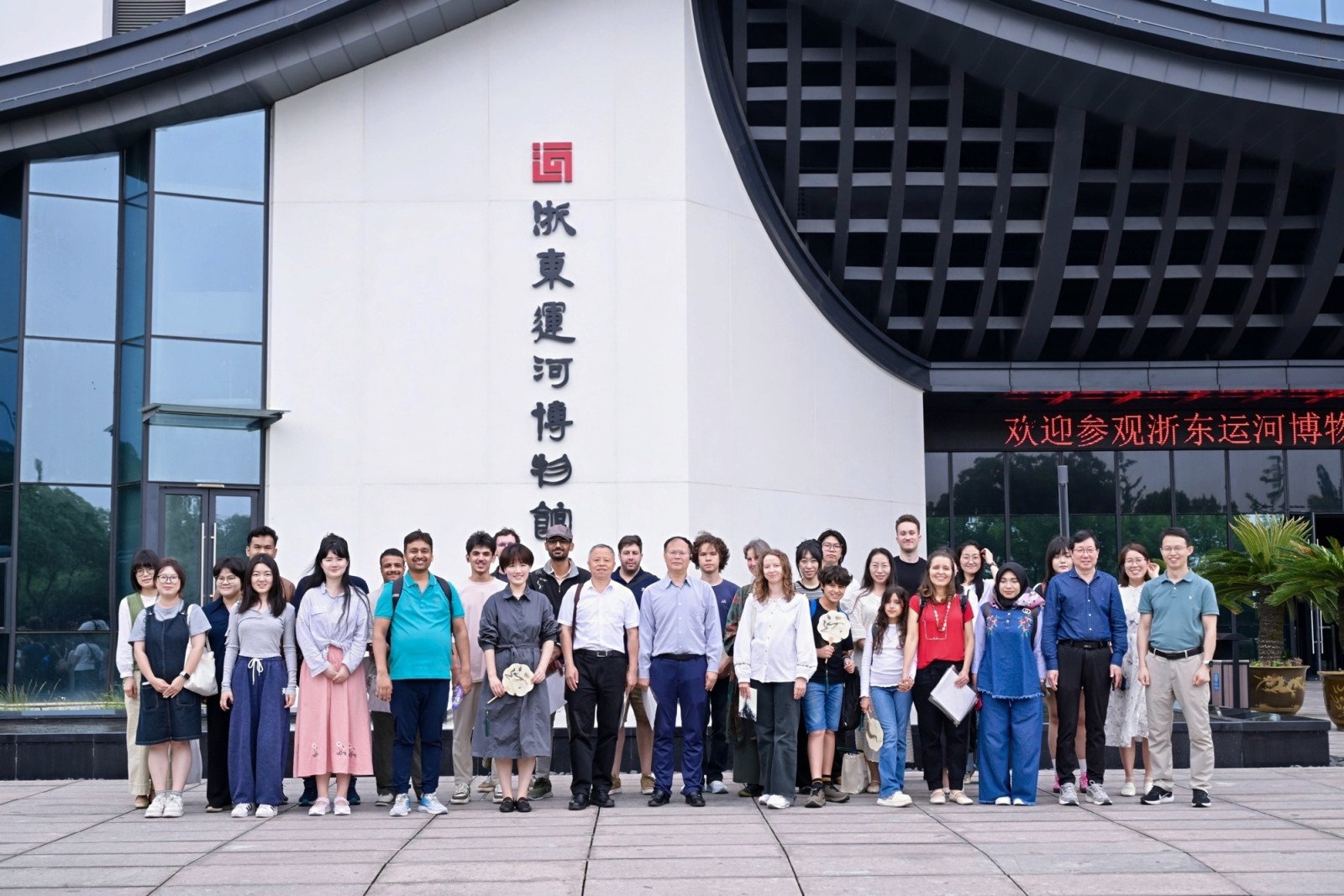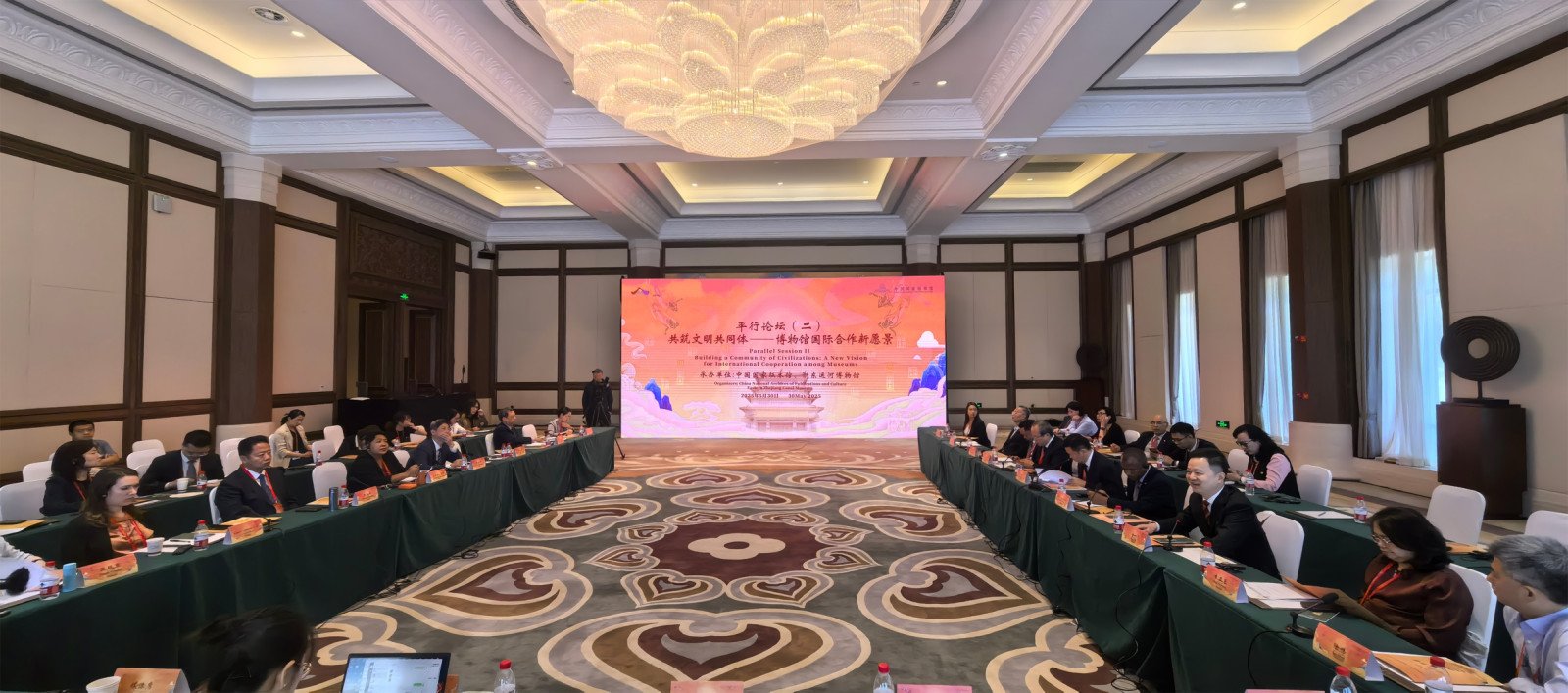
The Eastern Zhejiang Canal Museum is located in the Eastern Zhejiang Canal Cultural Park, in Shaoxing City, and has a construction space of 34,000 square meters, with an exhibition area of nearly 9,100 square meters. The museum is divided into four main exhibition areas and a space dedicated to the Grand Canal’s nomination as a World Heritage Site, illustrating the waterway’s excavation and the riverside cities and communities.
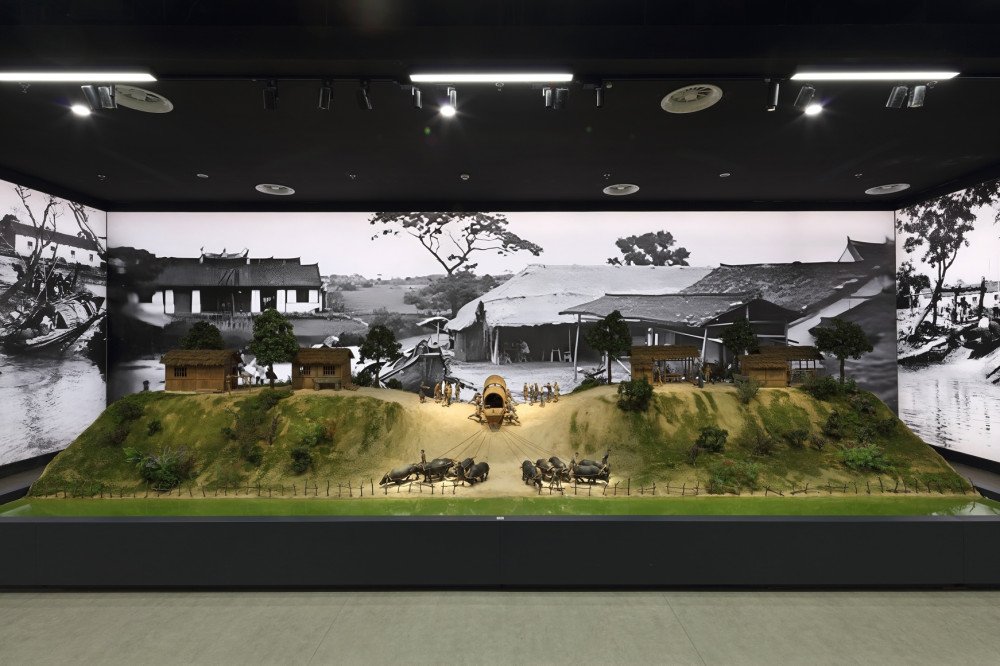
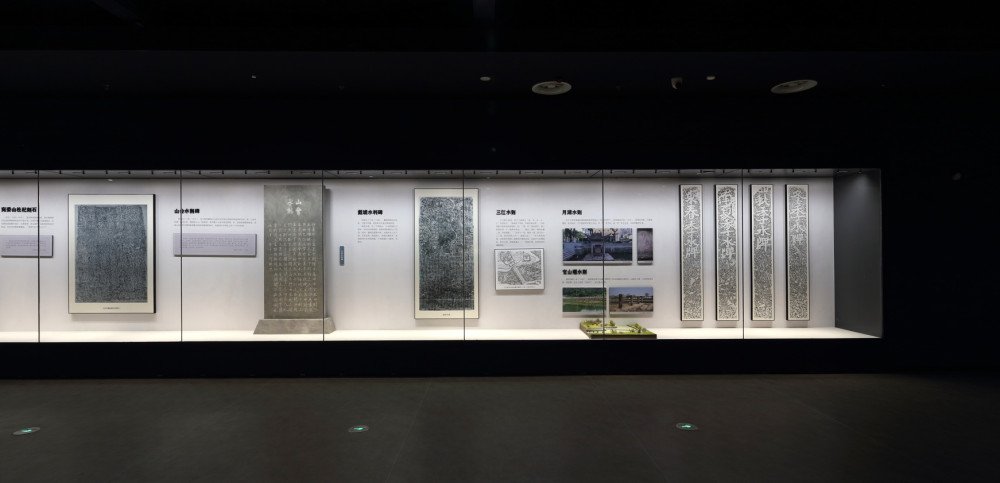
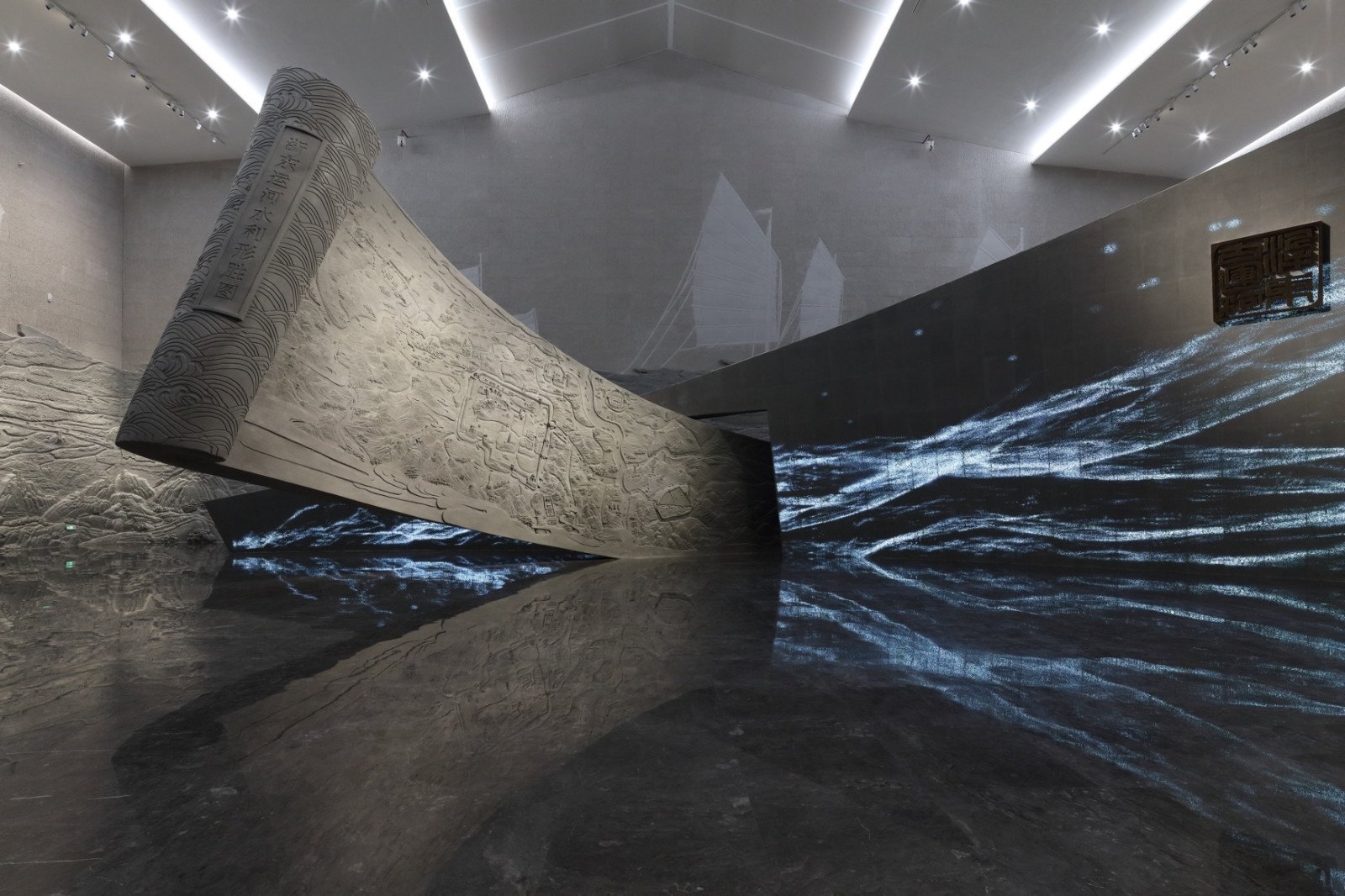
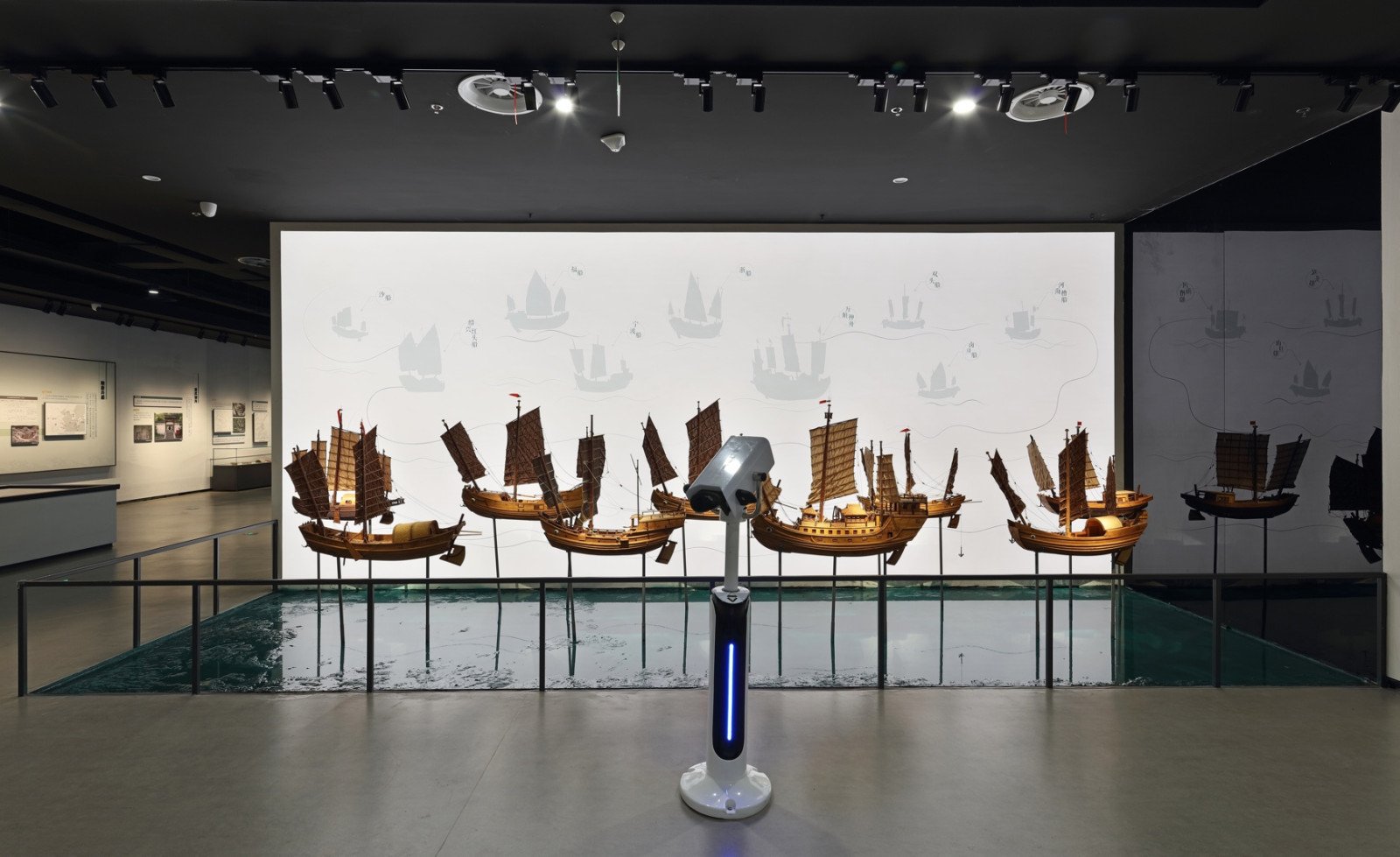
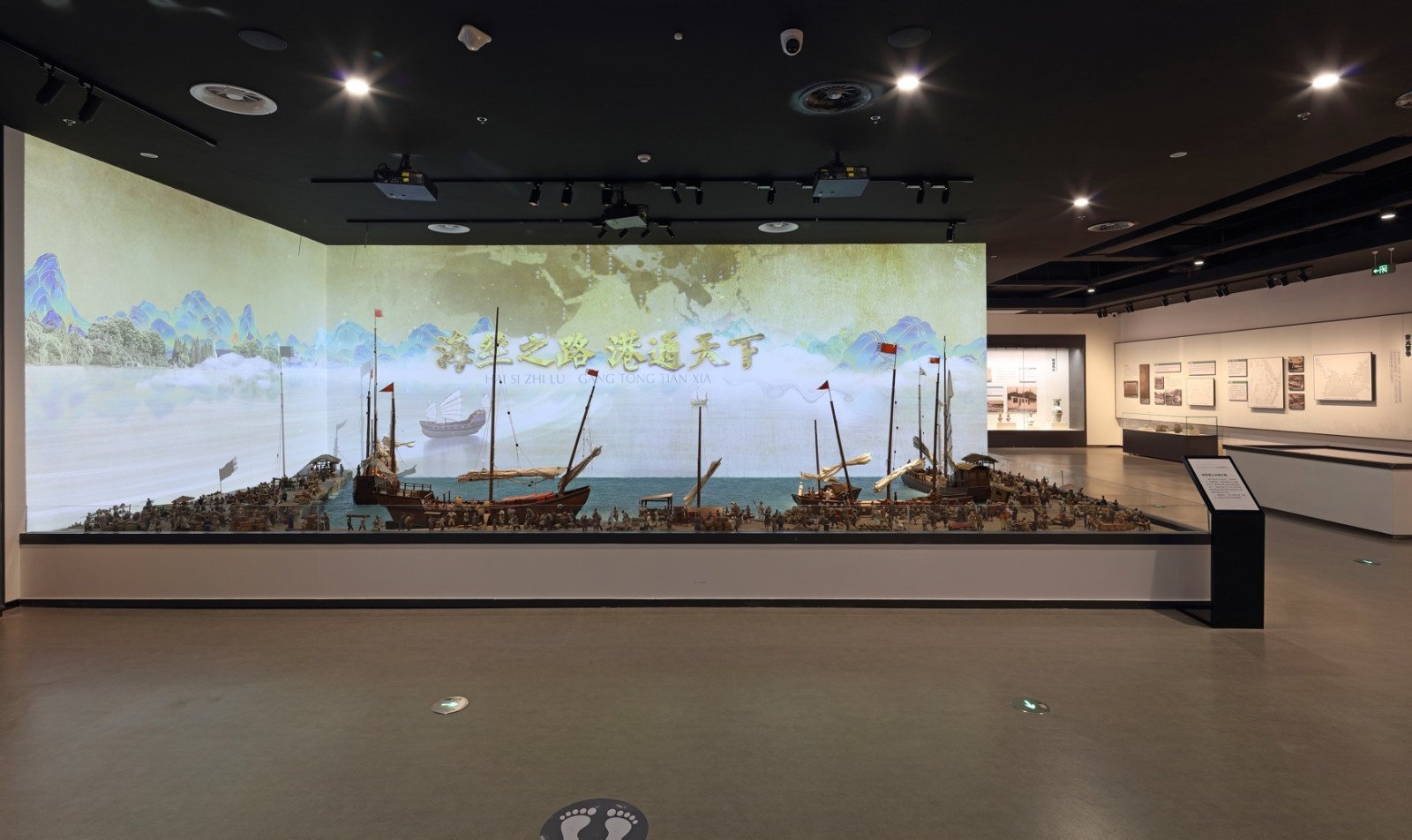
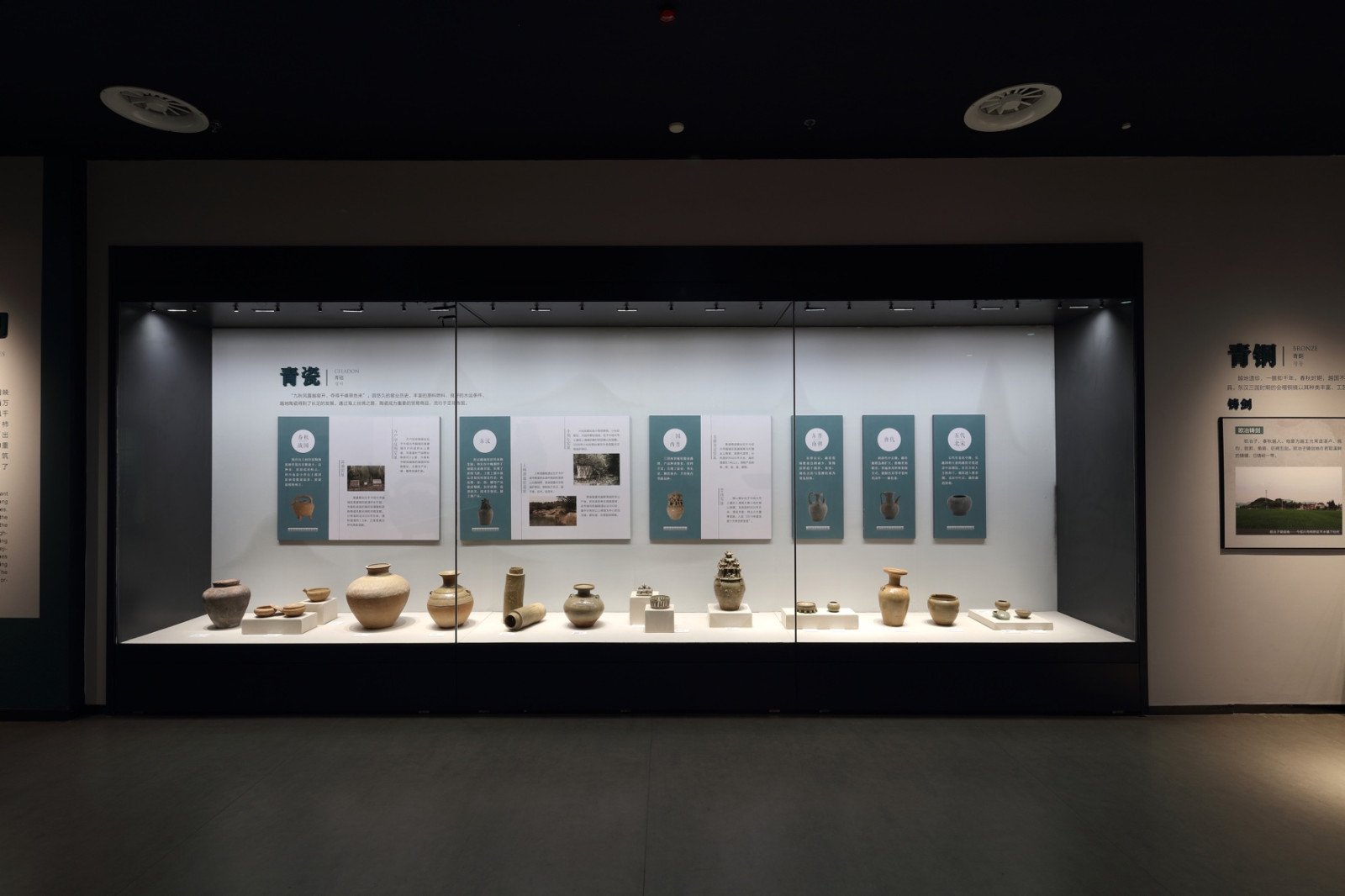
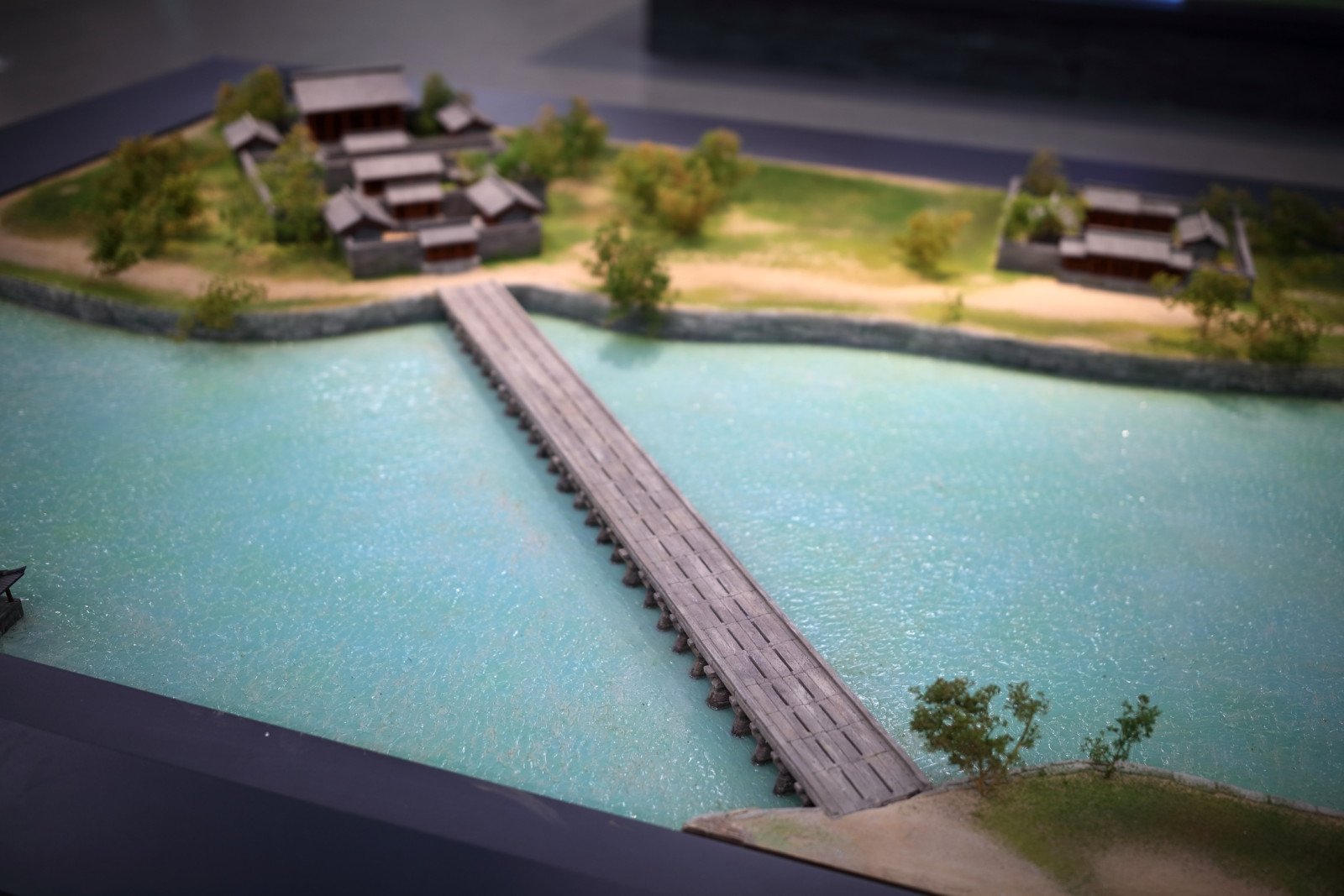
With the theme ‘Connecting Rivers and Seas, transporting goods across the globe’, the museum methodically presents the rich natural and cultural history of the Eastern Zhejiang Canal through various media, including cultural artefacts, scale models and images; its work is characterised by clear objectives, a wide range of diverse initiatives and a distinctive permanent collection, making it a public cultural centre that bridges the past and the present.
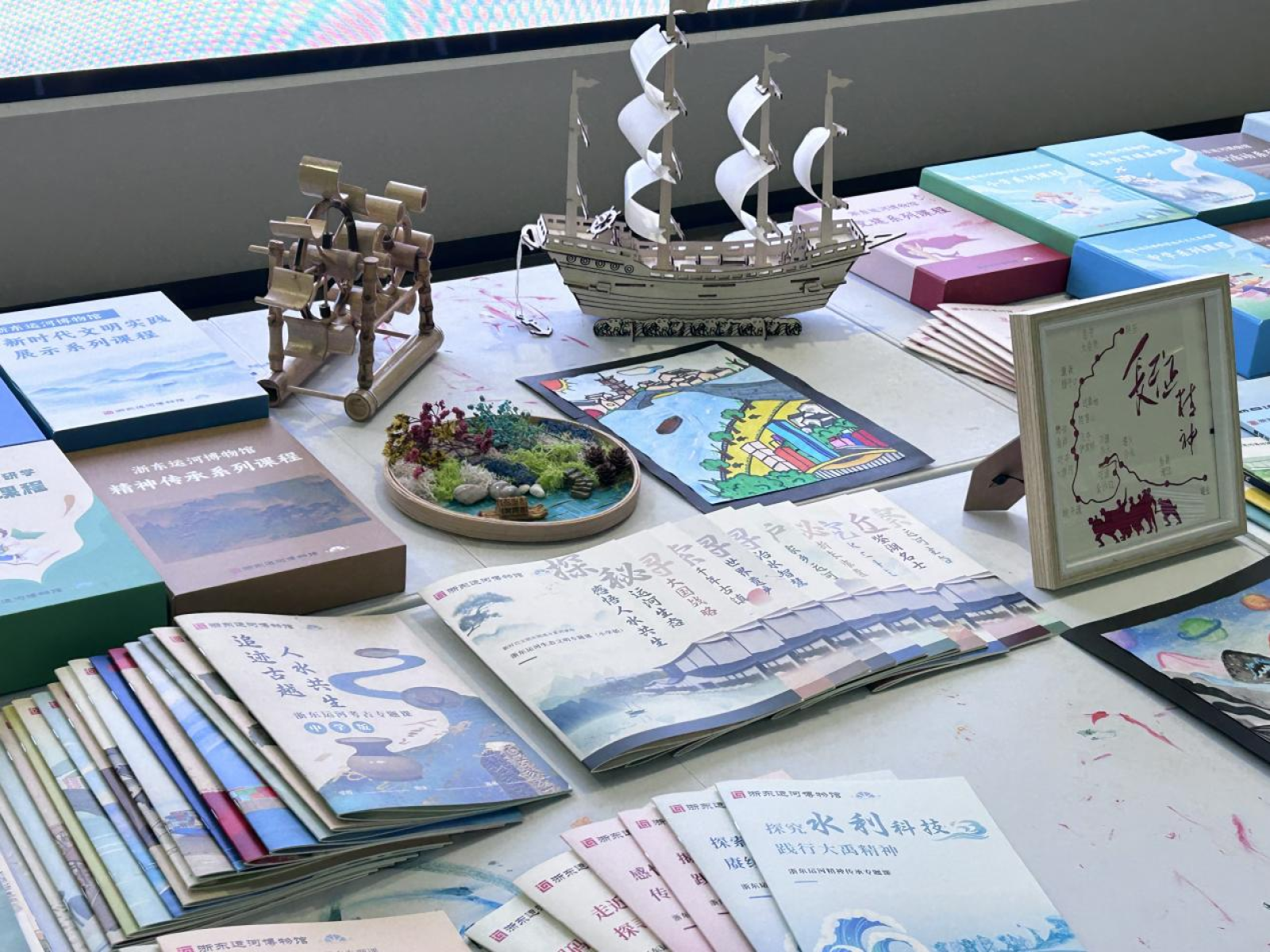
The permanent collection is rich and distinctive, covering various types such as bronzes, porcelain, daily necessities and models, which vividly shows the production and living scenes, water conservancy technology and cultural customs along the Eastern Zhejiang Canal throughout history.
The permanent exhibition of the museum is divided into five exhibition halls: "Tracing the Source of the River in the Land of Fish and Rice", "The Eternal Famous River Benefits the World", "Yue Style and River Rhythm Forge Humanities", "Building Dreams by the River to Prosper Zhejiang" and "The Happy River Flowing into the Future". Each exhibition hall has its own focus, forming a complete narrative system.
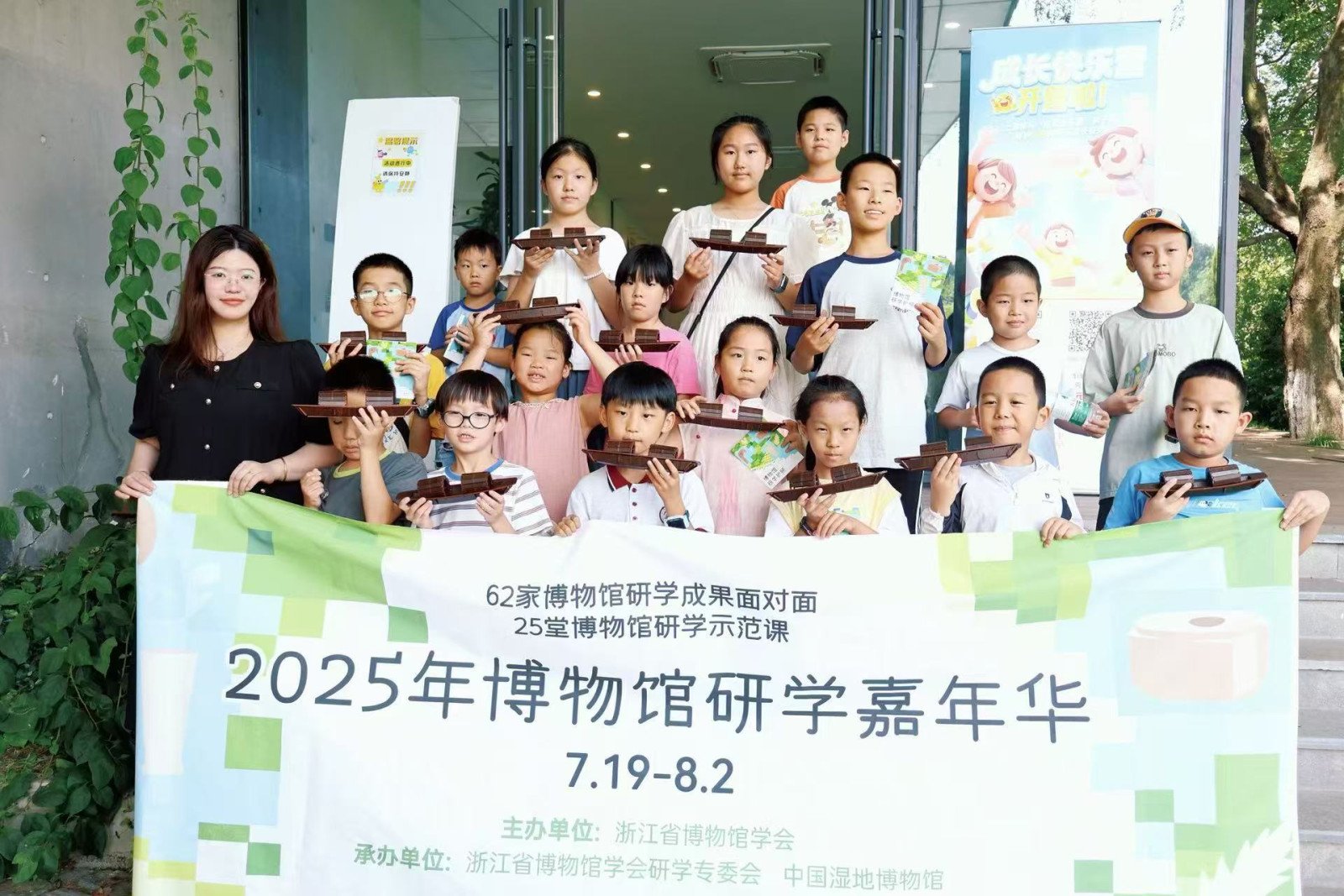
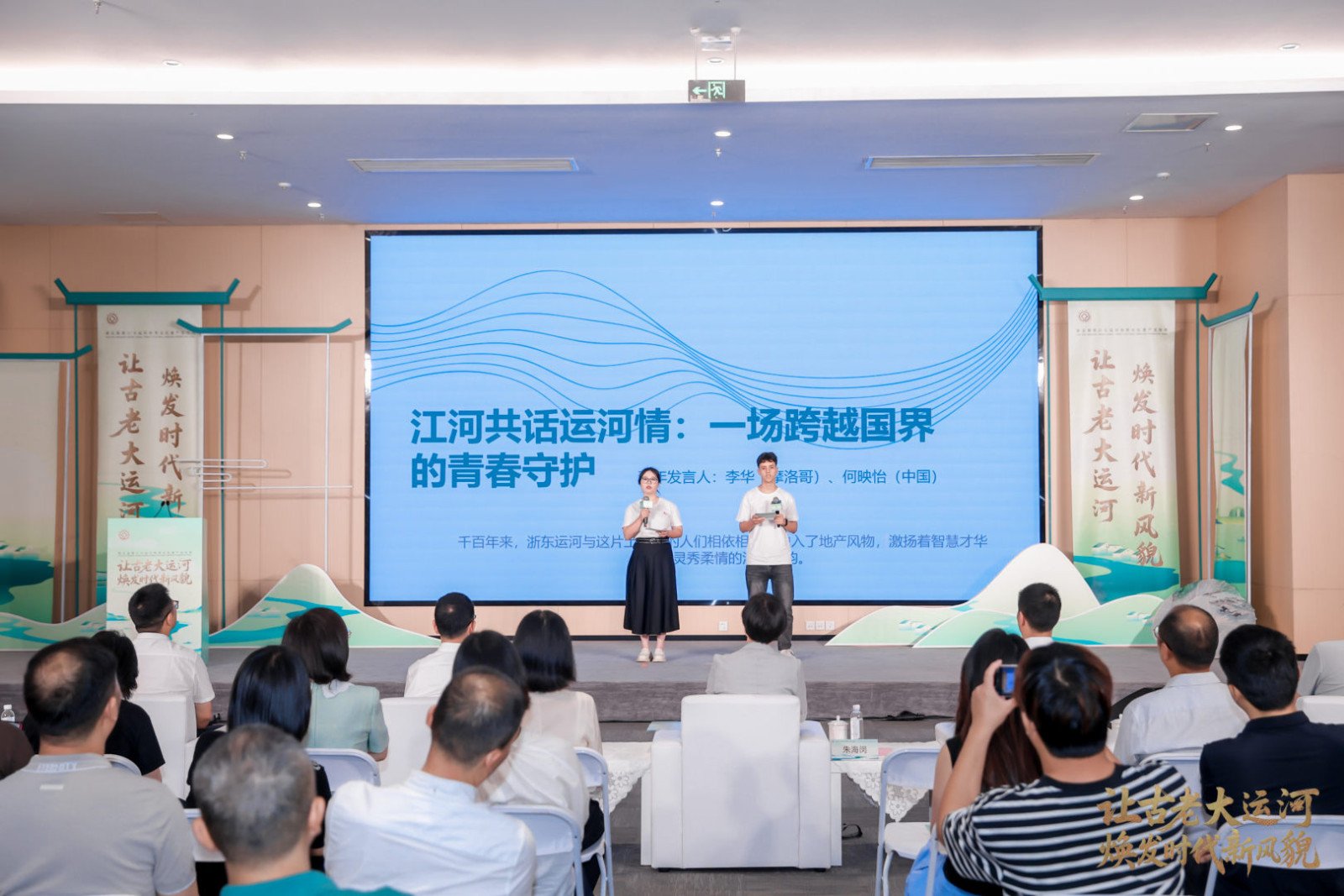
The main goals of the museum are multi-faceted and closely linked, focusing on inheritance, dissemination and innovation. Firstly, it aims to systematically sort out and display the historical context and cultural value of the canal, which has a history of more than 2,500 years. Secondly, it is committed to protecting cultural relics and heritage related to the canal. Thirdly, it strives to spread canal culture to all groups of people, especially young people, through diversified forms, and cultivate the public's awareness of cultural heritage protection. Finally, it aims to build a platform for cultural exchange, promote the in-depth integration of canal cultural heritage protection with ecological cultural tourism.