On 16-17 June 2026, WAMU+NET in cooperation with the Municipality of Souli and MYTH Euromed, co-organised a two-day study visit and workshop in the Epirus region (northern Greece), to support the local municipality in shaping the vision for the future Extended Water Museum of the Acheron River.
The initiative, funded by the AQUATIK-EU project, brought together partners and experts from 10 countries for an inspiring exchange of ideas, practices, and perspectives on how to valorise water heritage while actively engaging local communities.
Day 1: Exploring a Living Landscape
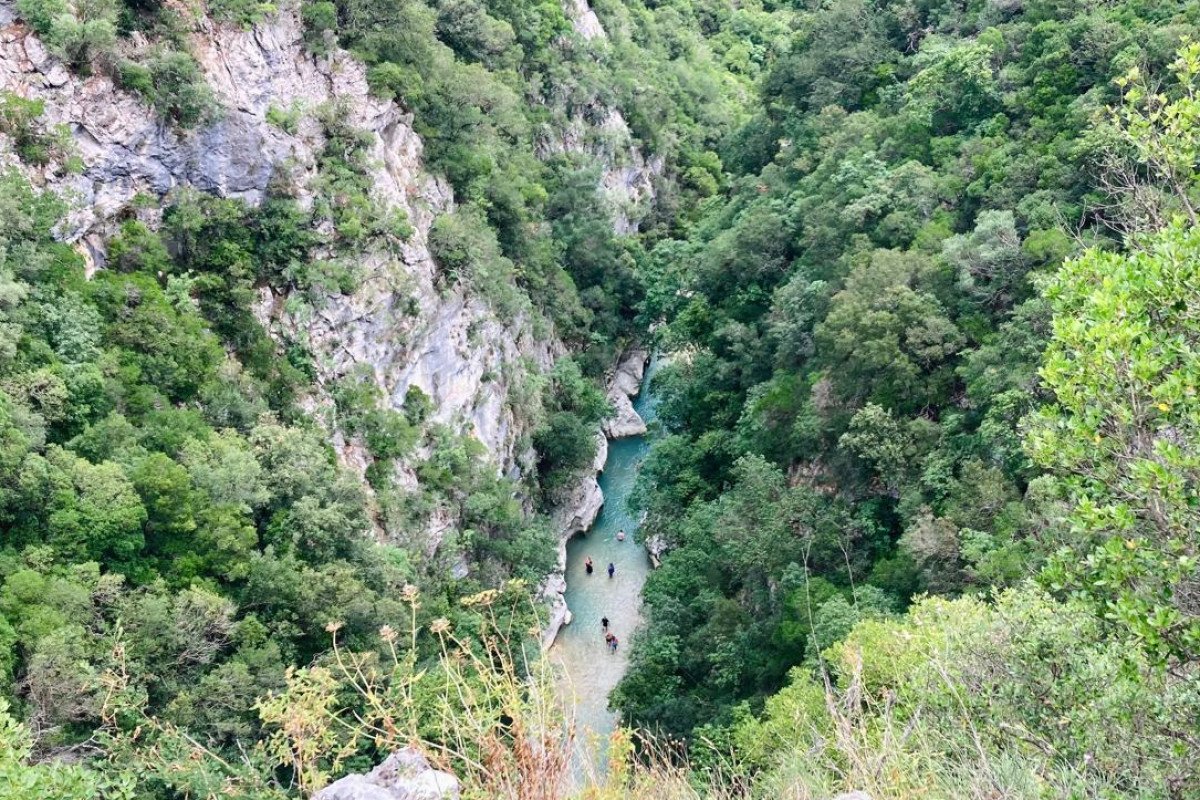
The first day was dedicated to exploring the Acheron River and its surrounding landscape — a place where nature, mythology, and history intertwine. Participants visited key sites along the river’s striking blue waters, including the evocative Gates of Hades, the Acheron Springs, and the historic Dala Bridge. Representatives from the Municipality of Souli, including Mayor Athanasios Ntanis, together with their collaborators, Angelos Chasiotis and Antonia Pappa from the National and Kapodistrian University of Athens, guided the visits and illustrated the significance of these locations. They highlighted the river’s ecological, cultural, and historical richness, explaining how these key sites can form the foundation of the future Extended Museum of the Acheron River.
Day 2: From Inspiration to Co-Design
The second day, hosted in the prestigious Museum of Bulgari, in Paramythia, focused on collaborative work and knowledge exchange facilitated by WAMU+NET. Building on insights gathered during the field visits, participants took part in a workshop to explore how the Extended Museum of the Acheron River could take shape, drawing inspiration from experiences across the WAMU+NET network and beyond.
In addition to the preliminary feasibility study of the Acheron Museum, presented by Angelos Chasiotis and Alberto Cotrona, inspiring case studies included the Extended Water Museum of Venice, Italy, and the Oasis Eco-Museum of Douiret-Sbaa, Morocco (both presented by WAMU+NET), and the Danube River-related educational and training activities developed within the project Healthy Danube Network (a WAMU+NET member) by Gabriela Costea (IGB Berlin). These examples illustrated how water heritage can be activated through community participation, digital tools, and innovative cultural practices.
These experiences provided inspiration for the next steps in the creation of the Acheron River Extended Museum. For instance, they highlighted the importance of involving local communities, schools, associations, and other stakeholders in sharing their stories and experiences of the river, contributing to the development of a living and participatory museum experience. They also suggested the value of collecting archival materials, photographs, and local knowledge to potentially create a digital platform accessible both to residents and to visitors.
The discussion was further enriched by contributions from AQUATIK-EU partners from different European contexts, fostering a shared reflection on key themes such as community engagement, sustainable tourism, and the role of water as a connector between people, landscapes, and histories.
Looking Ahead
This study visit marked an important step in the co-design process of the Extended Water Museum of the Acheron River. By combining local knowledge with international expertise, the initiative aims to create a living, evolving museum that reflects both the identity of the territory and its connections to global water heritage.
WAMU+NET looks forward to continuing this journey in the coming months, supporting the Municipality of Souli in bringing this vision to life, and sharing further developments, including a dedicated webinar planned for October 2026.
Photo above: The Acheron River viewed from the Dala Bridge area (copyright Irene Leonardelli)